Why Travel to Mexico for Day of the Dead
Why Travel to Mexico for Day of the Dead
Why Travel to Mexico for Day of the Dead
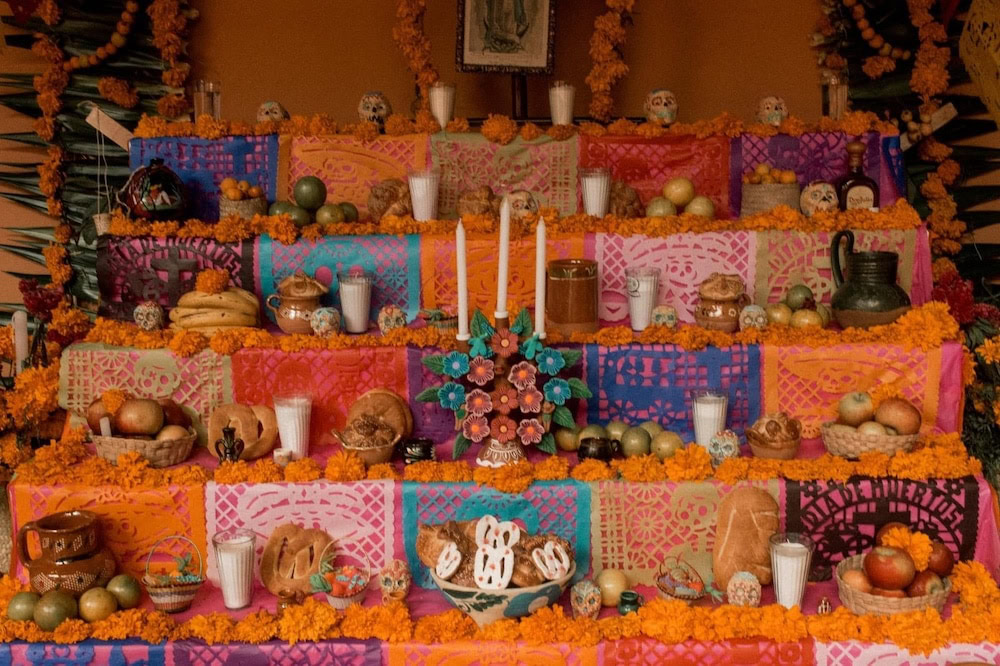
A celebration of life, color, and connection that defines Mexico’s spirit
Mexico is preparing for one of its most beloved traditions: Día de los Muertos (Day of the Dead), a festival that transforms cities, towns, and villages into luminous displays of remembrance. Observed on November 1 and 2, the celebration honors those who have passed with offerings, music, and joy—a unique blend of pre-Hispanic rituals and Catholic influence that captures the country’s soul.
History and Meaning
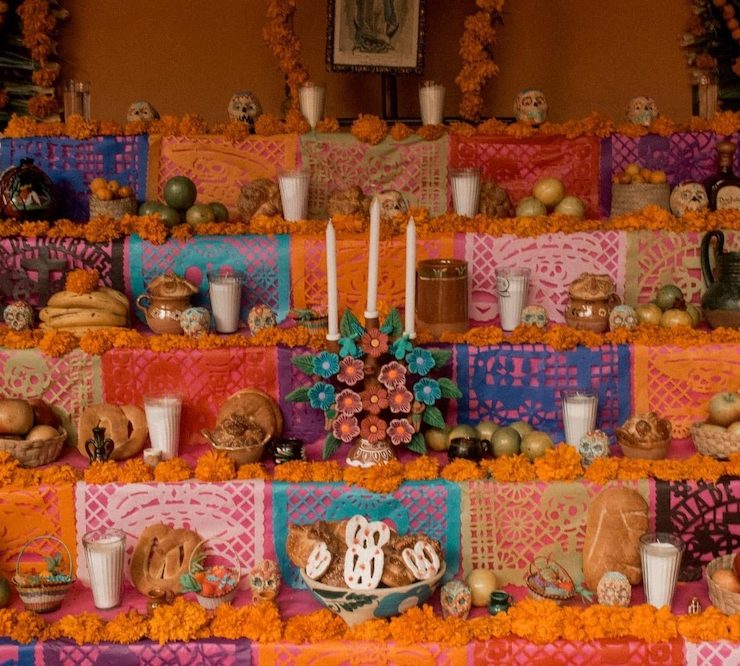
Recognized by UNESCO in 2008 as an Intangible Cultural Heritage of Humanity, Día de los Muertos is far more than a holiday—it’s a cultural expression of Mexico’s enduring bond between the living and the departed. The first day, Día de los Angelitos, honors children, while November 2 commemorates adults. Families across the nation prepare ofrendas, or altars, adorned with marigolds (cempasúchil), sugar skulls, candles, and the favorite foods and drinks of loved ones.
These vibrant altars, often layered to symbolize heaven, earth, and the underworld, invite spirits home. Across plazas, cemeteries, and living rooms, marigold petals form pathways believed to guide souls back to their families.
Where to Experience It
Across Mexico, travelers will find an astonishing diversity of traditions.
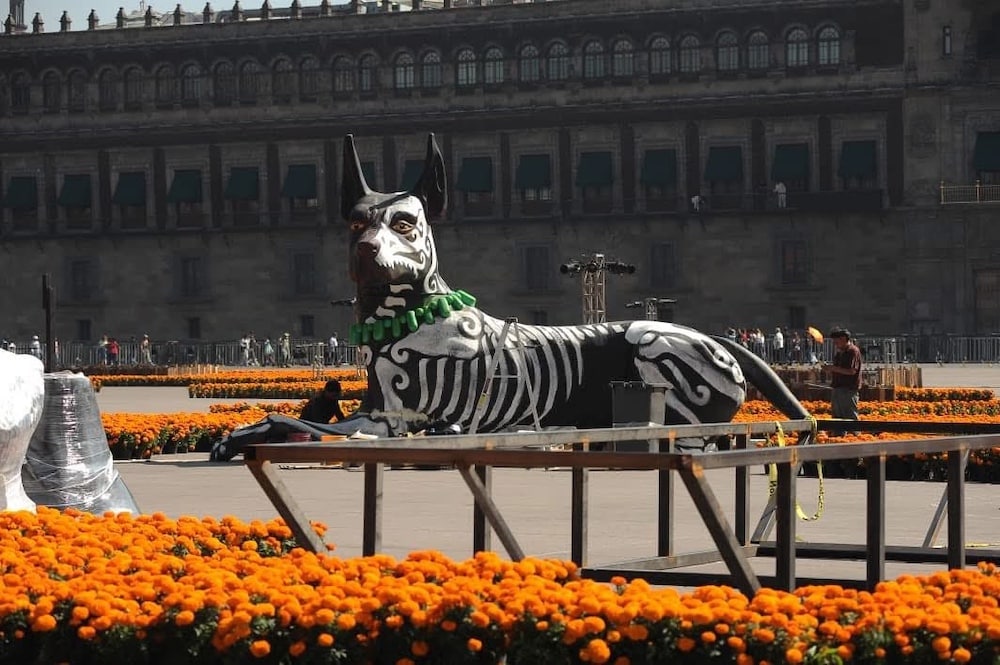
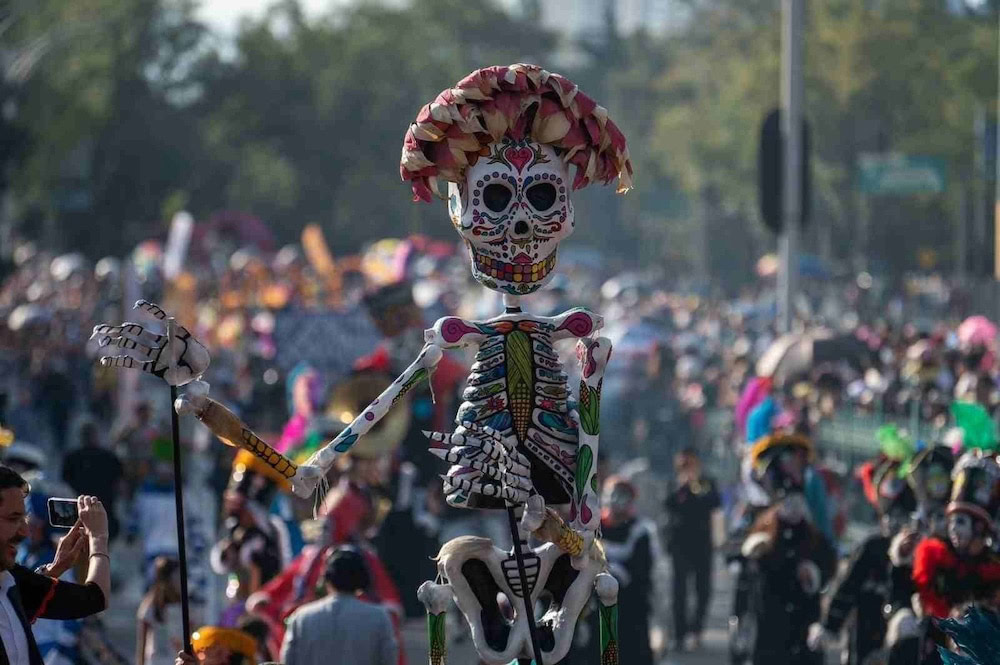
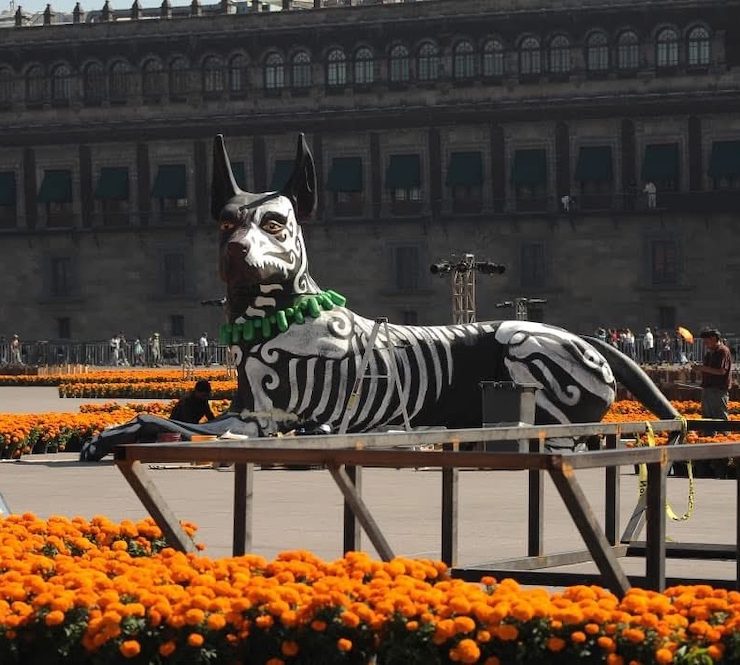
- Mexico City transforms Paseo de la Reforma into a spectacular Day of the Dead parade filled with dancers, skeletal figures, and giant puppets.
- In Oaxaca, artisans create intricate sand tapestries and colorful paper art.
- Pátzcuaro, in Michoacán, offers one of the most iconic scenes: candlelit boats crossing the lake as families hold nightlong vigils in memory of their ancestors.
- In Veracruz and the Yucatán Peninsula, visitors can enjoy local music, traditional dishes such as pan de muerto and tamales, and performances celebrating the fusion of Indigenous and Spanish heritage.
Northern states such as Nuevo León and Chihuahua add a contemporary touch with craft fairs and community events that celebrate cultural unity.
The Ministry’s Vision
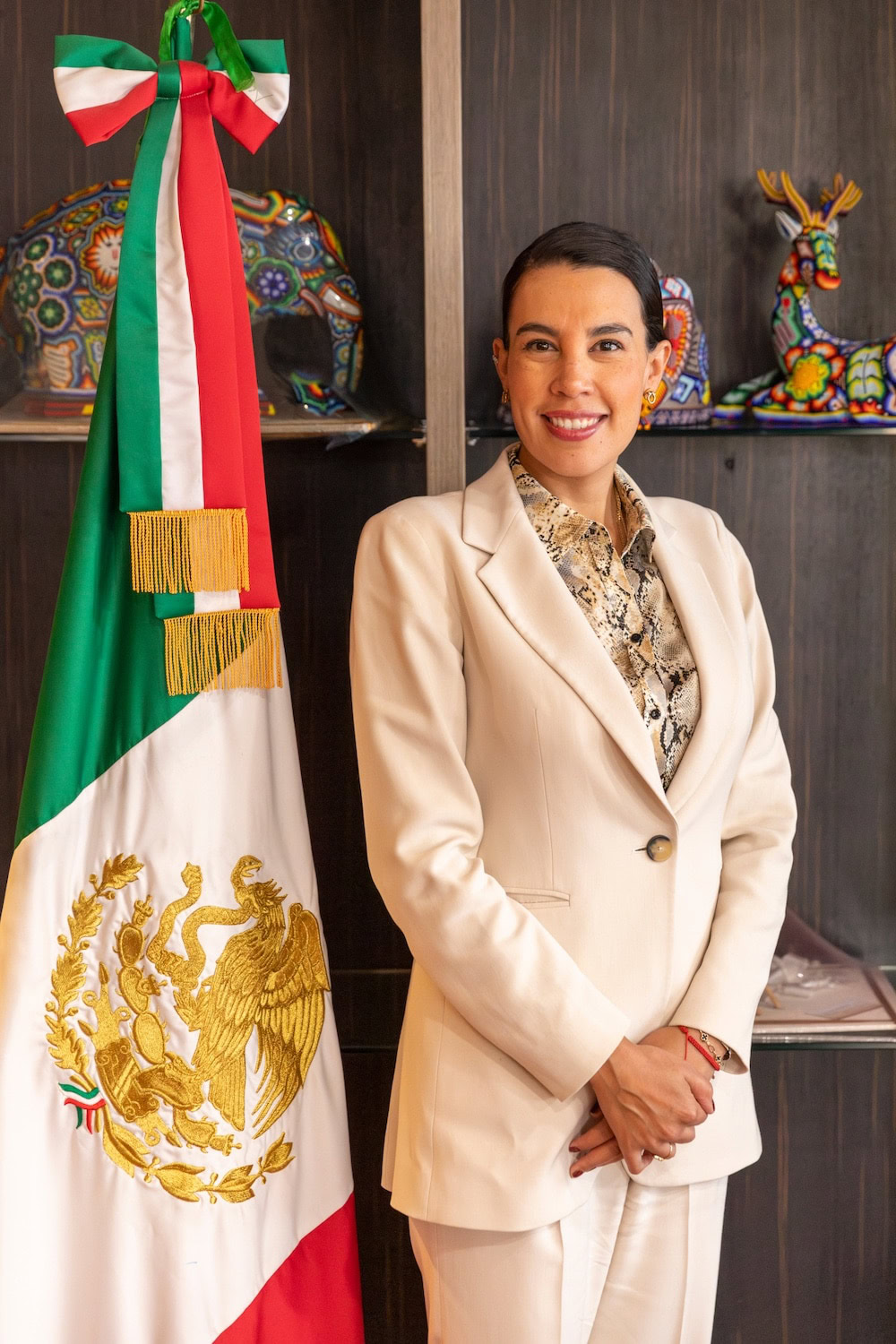
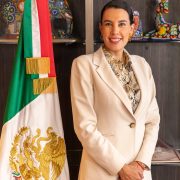
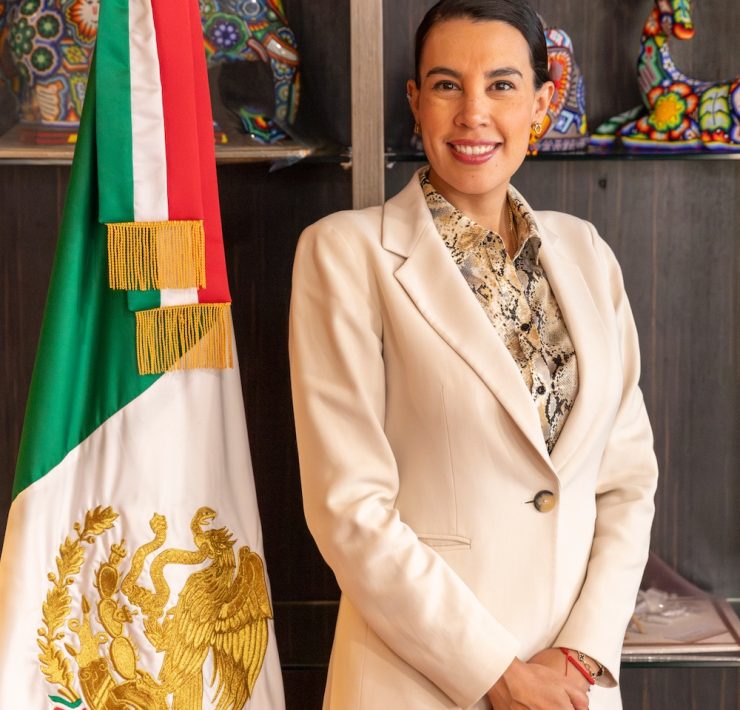
Mexico’s Minister of Tourism, Josefina Rodríguez Zamora, describes Día de los Muertos as “a celebration full of color and joy, where we honor life through our traditions.”
At 35, Rodríguez Zamora is the youngest member of President Claudia Sheinbaum Pardo’s cabinet and represents a new generation of leaders focused on sustainable, community-based tourism. Her approach connects heritage preservation with modern innovation, emphasizing tourism as a driver of social and environmental well-being.
Born in Tlaxcala and educated in business administration, Rodríguez Zamora’s initiatives include the National Community Tourism Program, which empowers Indigenous, rural, and artisanal communities to lead their own tourism projects—highlighting Mexico’s authenticity and diversity beyond its major resort destinations.
Tourism Outlook
According to the Ministry of Tourism, international arrivals in the first half of 2025 grew 7.3% compared to 2024, with more than 23.4 million tourists visiting Mexico. Visitor spending rose 6.3%, reaching nearly $18.7 billion USD. The Day of the Dead weekend alone is projected to attract over 1.6 million travelers, with hotel occupancy up 2.3% year-over-year.
Plan Your Visit
For travelers seeking an unforgettable cultural experience, Mexico during Día de los Muertos offers both beauty and meaning. From candlelit cemeteries to vibrant city parades, each region provides a different lens into the country’s devotion to life, memory, and community.
For more information and travel inspiration, visit
https://visitmexico.com | https://www.gob.mx/sectur
Planning travel? Visit our dedicated luxury Travel & Leisure section.