CREW Miami 2026 | Key Takeaways from South Florida’s Economic Supercycle

 +5
+5 CREW Miami 2026 | Key Takeaways from South Florida’s Economic Supercycle


CREW Miami 2026 | Key Takeaways from South Florida’s Economic Supercycle
CREW Miami 2026 | Key Takeaways from South Florida’s Economic Supercycle
CREW Miami 2026 | Key Takeaways from South Florida’s Economic Supercycle

CREW Miami 2026 | Key Takeaways from South Florida’s Economic Supercycle
CREW Miami 2026 | Key Takeaways from South Florida’s Economic Supercycle

CREW Miami 2026 | Key Takeaways from South Florida’s Economic Supercycle

CREW Miami 2026 | Key Takeaways from South Florida’s Economic Supercycle
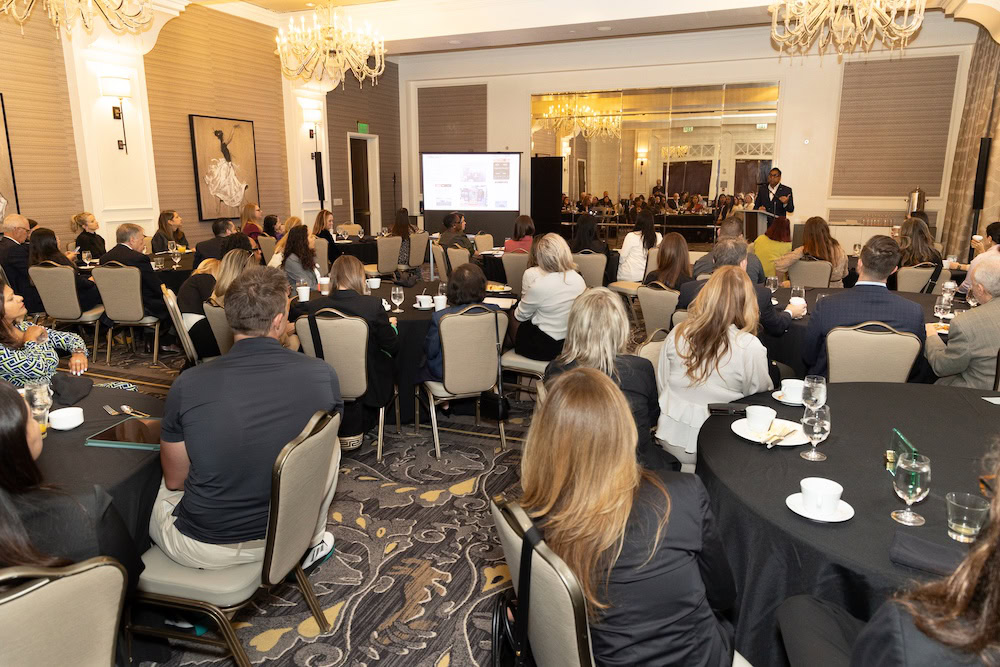
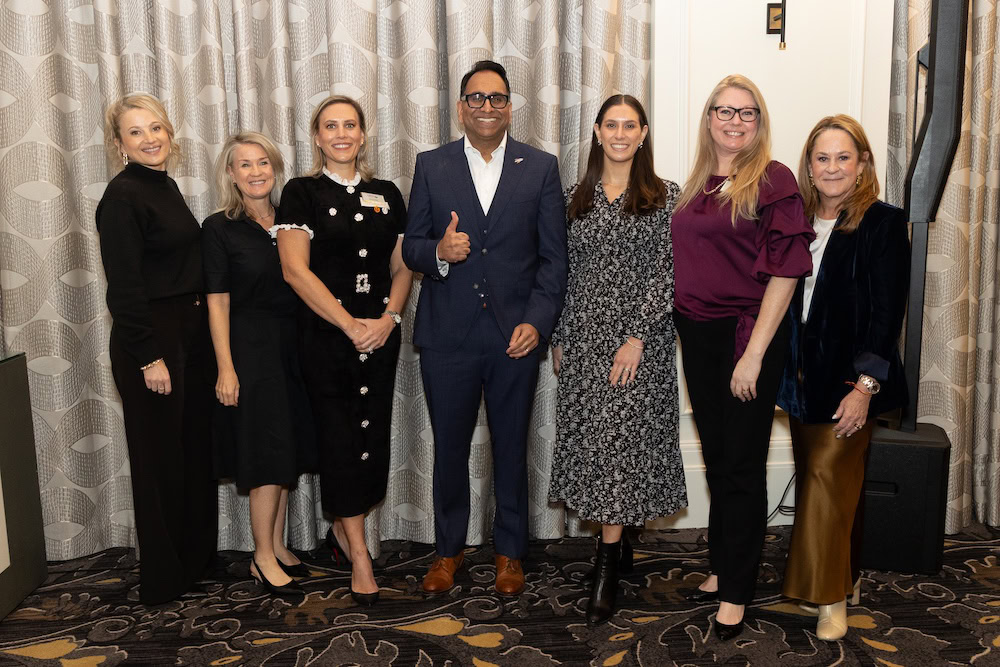
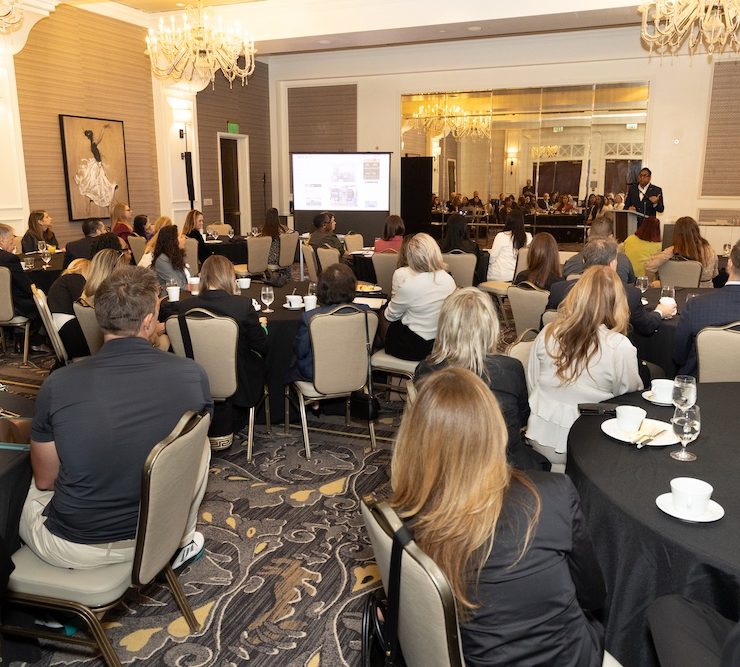
Commercial Real Estate Women Miami (CREW Miami) opened 2026 with a full-house Economic Forecast that delivered more than predictions—it offered a framework for understanding where South Florida is headed and how leaders across commercial real estate, business, and development can engage with what comes next.
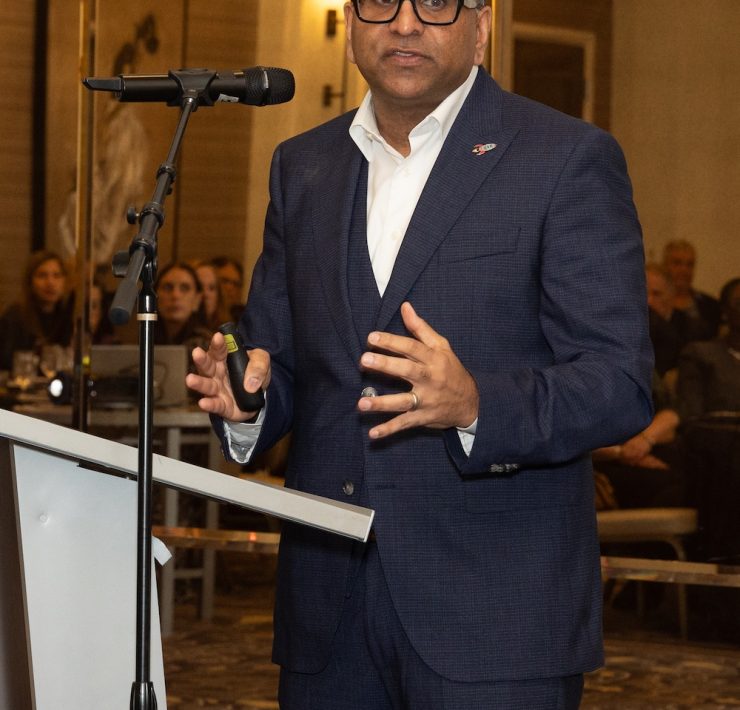
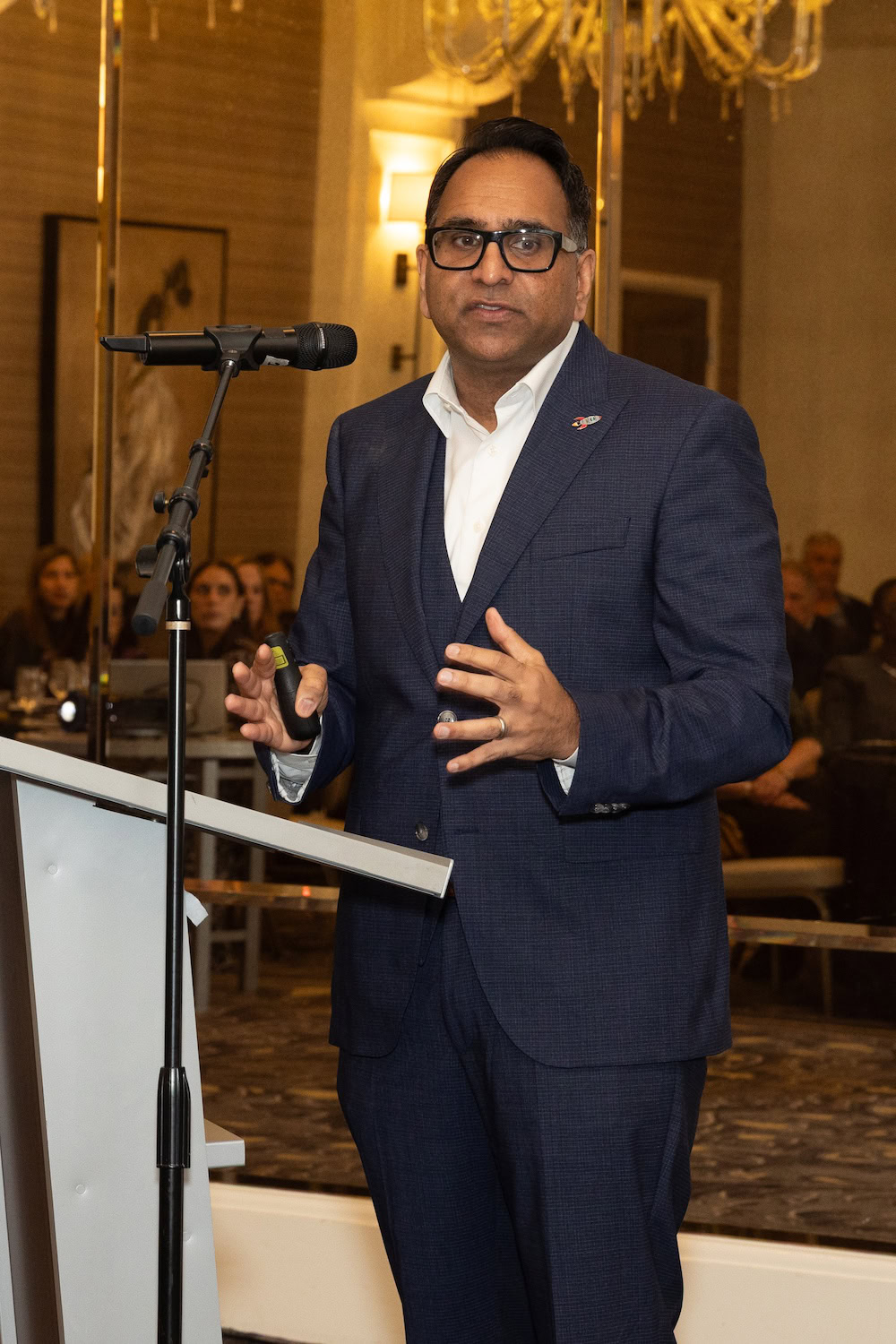
The keynote conversation, led by Saif Ishoof, Managing Partner of Lab22c and host of The Saif Effect, centered on the idea that South Florida is entering a long-term economic supercycle rather than a short-lived growth phase. According to Ishoof, the coming years represent a period of systems-level expansion driven by capital, infrastructure, talent, and leadership—forces that are increasingly interconnected across the region.
Rather than focusing on short-term metrics, the discussion emphasized long-range thinking and structural shifts shaping Miami-Dade, Broward, and Palm Beach counties as a unified economic region.
Capital, Infrastructure, and the Shape of Growth
A key theme of the forecast was the convergence of energy, data infrastructure, and capital. Ishoof described these elements as a new economic power stack, influencing everything from where companies locate to how land is valued and developed. This convergence is already reshaping demand for commercial real estate, particularly in areas tied to logistics, computing, and connectivity.
Within that broader context, he highlighted how financial infrastructure across South Florida is evolving to support real decision-making and capital deployment. Referencing multiple submarkets and growth areas, Ishoof underscored how commercial real estate professionals increasingly operate at the intersection of capital flows, infrastructure investment, mobility, and human capital.
As one example, he pointed to Brickell’s evolution as a global financial hub—less symbolic and more operational in nature. “Brickell is becoming a financial operating system,” he said, noting that commercial real estate sits at the center of many of these structural shifts.
Beyond Miami: A Regional Perspective
The conversation extended beyond Miami’s core business districts to include Palm Beach’s growing role as a center for principal-led capital and family offices. Rather than viewing submarkets as competitors, the forecast framed South Florida as a networked region where different areas serve complementary functions within a larger economic platform.
Infrastructure also featured prominently, with discussion around ports, airports, logistics, and advanced mobility. These assets, Ishoof explained, compress time and distance, altering development patterns and redefining how value is created across the region.
Talent as the Ultimate Differentiator
Another central takeaway was the role of talent in sustaining long-term growth. Rather than focusing on incentives or headline relocations, the discussion emphasized talent pipelines, applied innovation, and the region’s ability to produce human capital at scale.
Ishoof noted that understanding the quality and depth of talent—across education, applied research, and commercialization—will increasingly separate competitive regions from those that stall. In this context, cultural signals and emerging behaviors were framed as early indicators of where innovation ecosystems take root.
Leadership, Mindset, and Community
The program concluded on a reflective and motivational note, emphasizing leadership, curiosity, and inclusion as essential tools for navigating uncertainty. Rather than positioning growth as inevitable, the message focused on engagement—how leaders choose to participate in shaping outcomes.
“Fear is paralyzing people’s ability to act in this moment,” Ishoof said. “I am much more hopeful and optimistic about it, and I believe, rather than calling people out, I prefer to call people in.”
The message resonated as CREW Miami looks ahead to a year of continued programming focused on education, dialogue, and connection. Upcoming will explore topics ranging from data centers and infrastructure to leadership and placemaking, offering opportunities to learn, ask questions, and engage with peers across industries.
Interview opportunities related to CREW Miami’s 2026 programming may be requested by contacting [email protected].