
Planting the Future | Where Nature, Art, and Conscious Luxury Converge
 +6
+6 Planting the Future | Where Nature, Art, and Conscious Luxury Converge
Planting the Future | Where Nature, Art, and Conscious Luxury Converge
Planting the Future | Where Nature, Art, and Conscious Luxury Converge
Planting the Future | Where Nature, Art, and Conscious Luxury Converge
Planting the Future | Where Nature, Art, and Conscious Luxury Converge
Planting the Future | Where Nature, Art, and Conscious Luxury Converge
Planting the Future | Where Nature, Art, and Conscious Luxury Converge
Planting the Future | Where Nature, Art, and Conscious Luxury Converge
Planting the Future | Where Nature, Art, and Conscious Luxury Converge
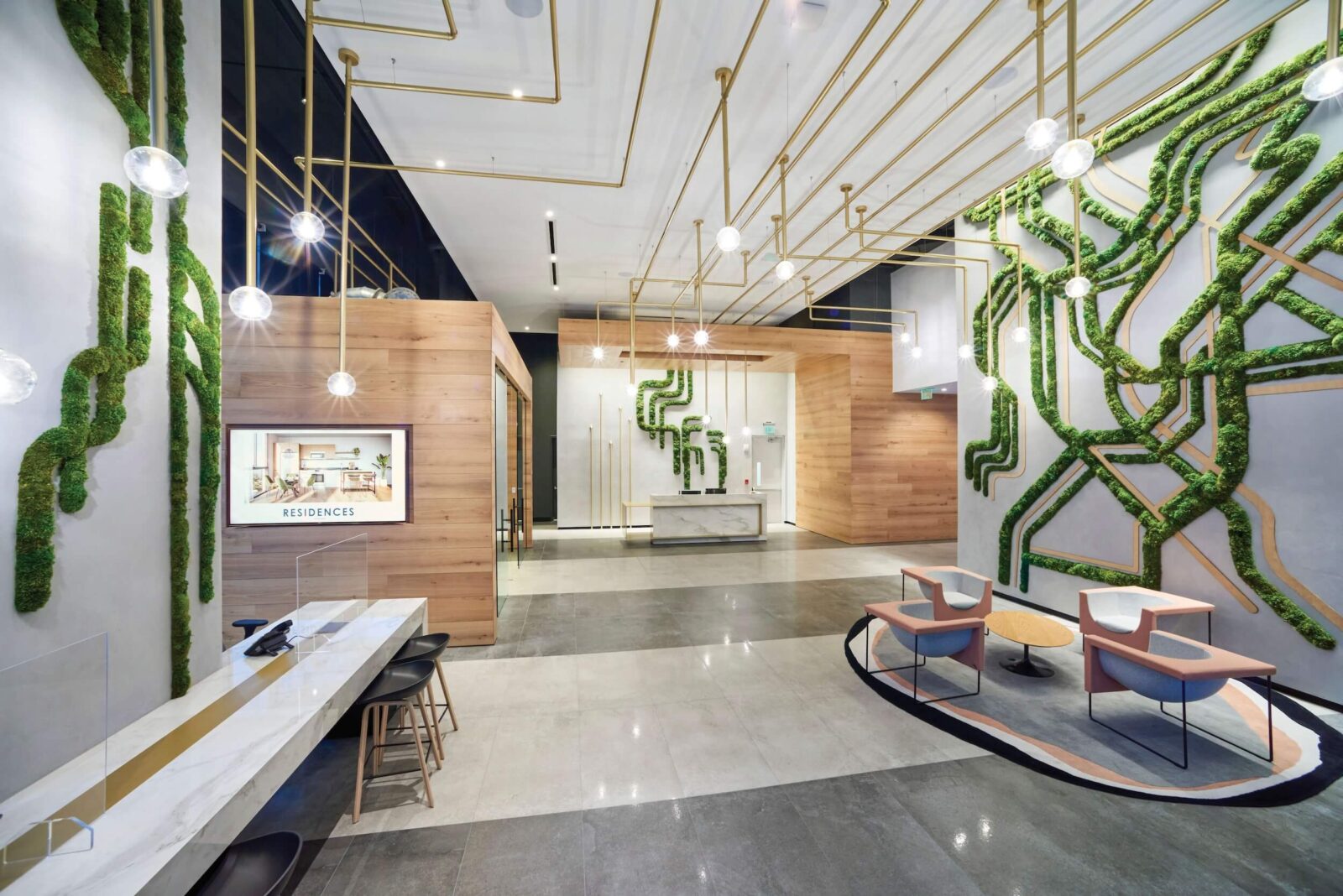
In an era where luxury is being redefined, there is a quiet but powerful shift happening in the world of design. Marble and gold are no longer enough. True luxury is becoming something more visceral — more emotional. It is about how a space makes you feel.
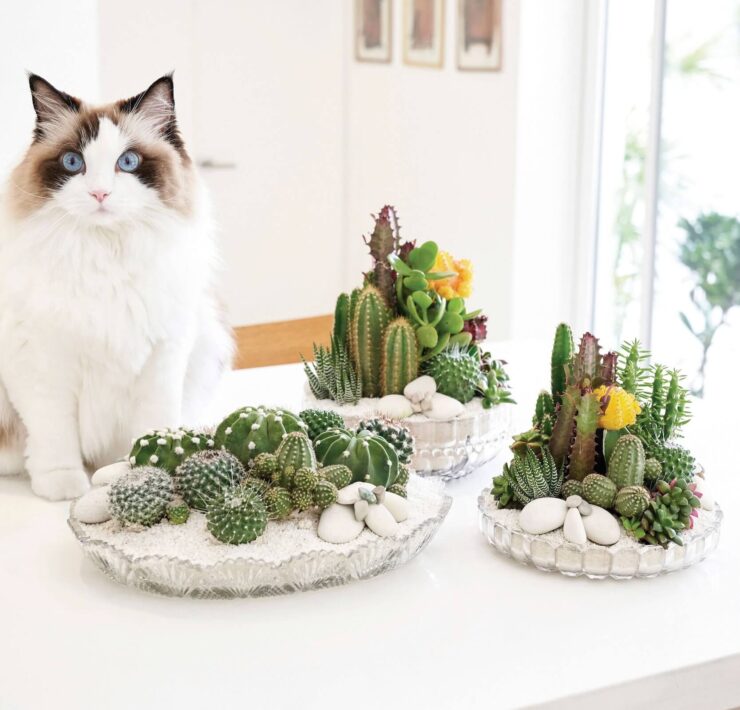
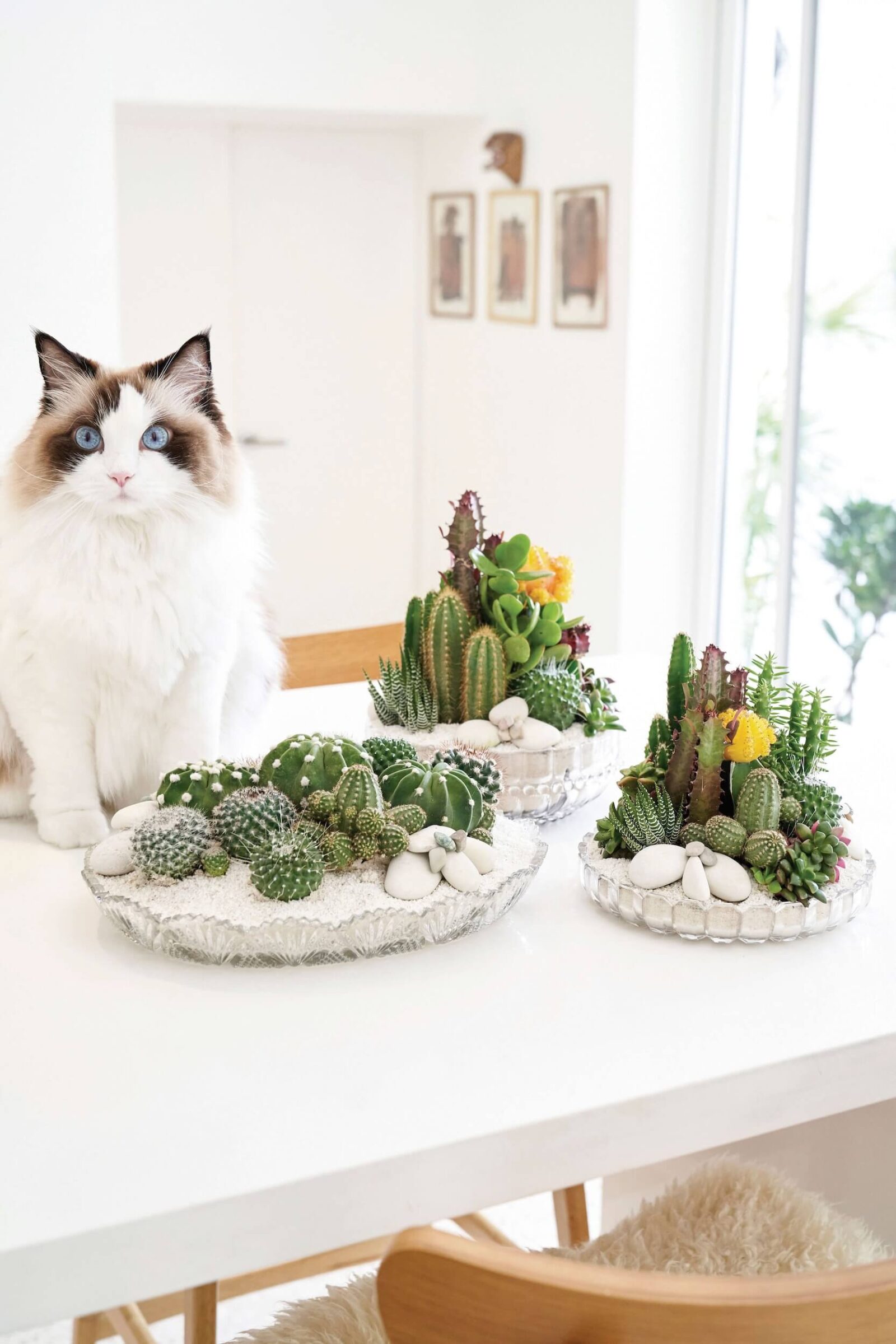
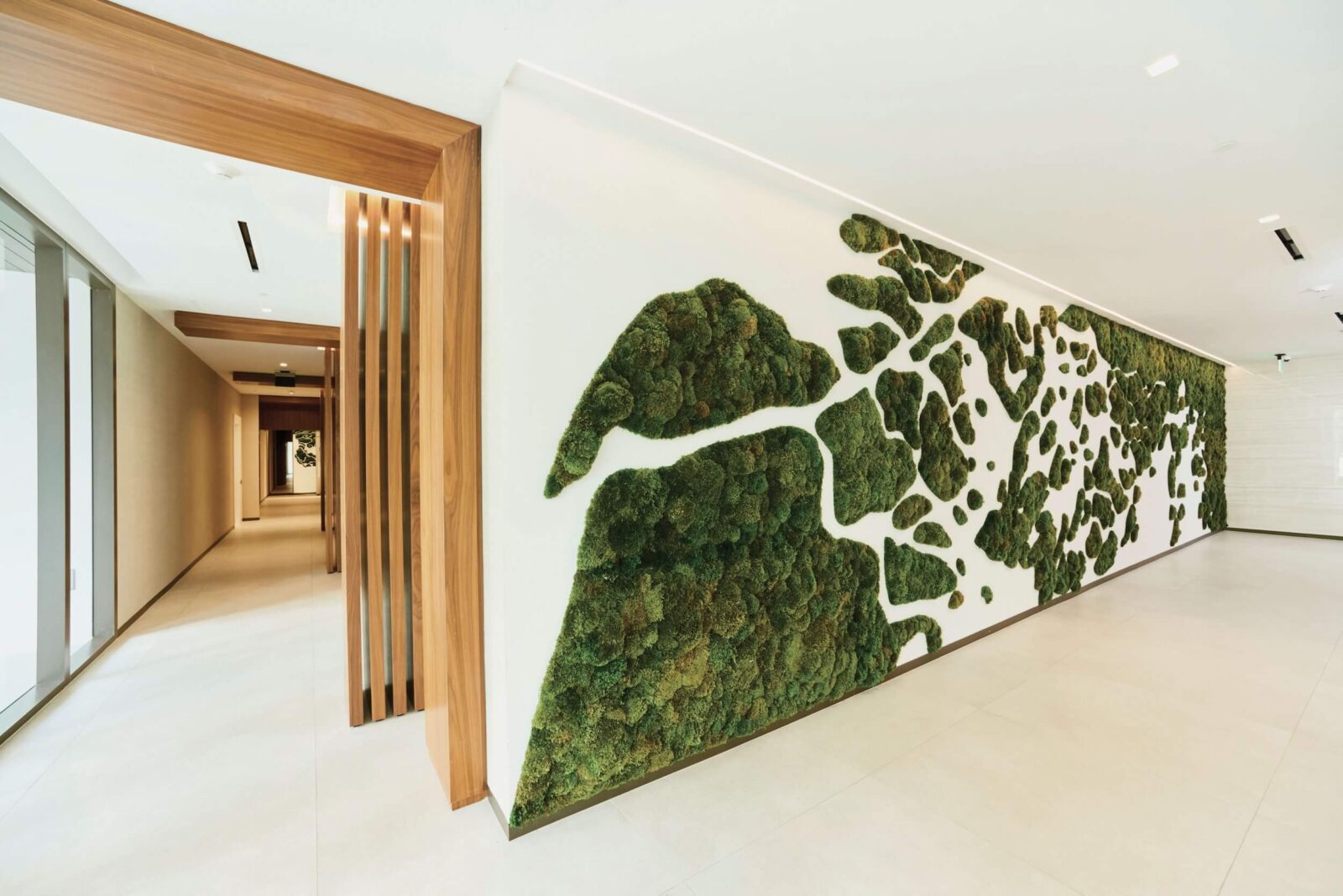
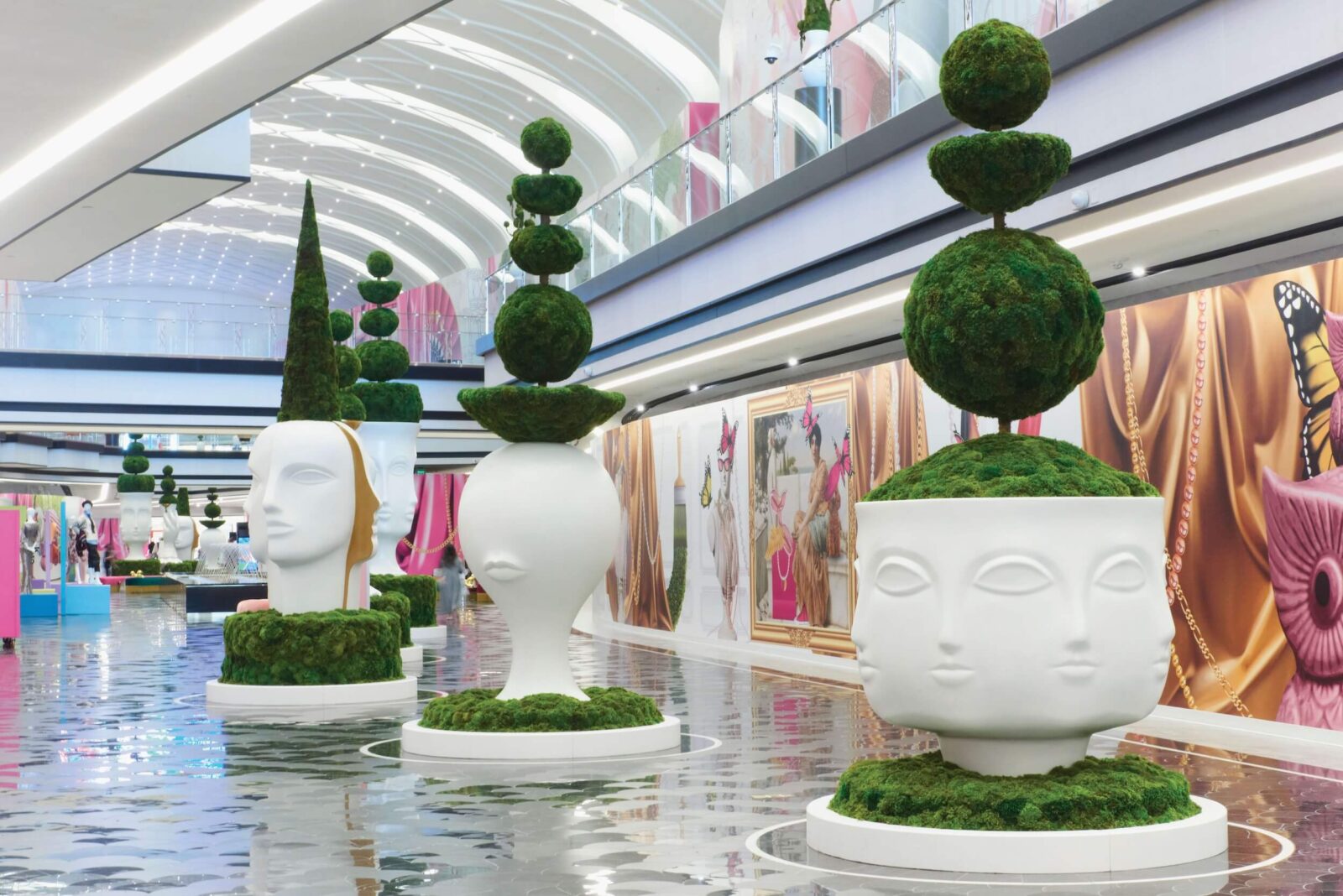
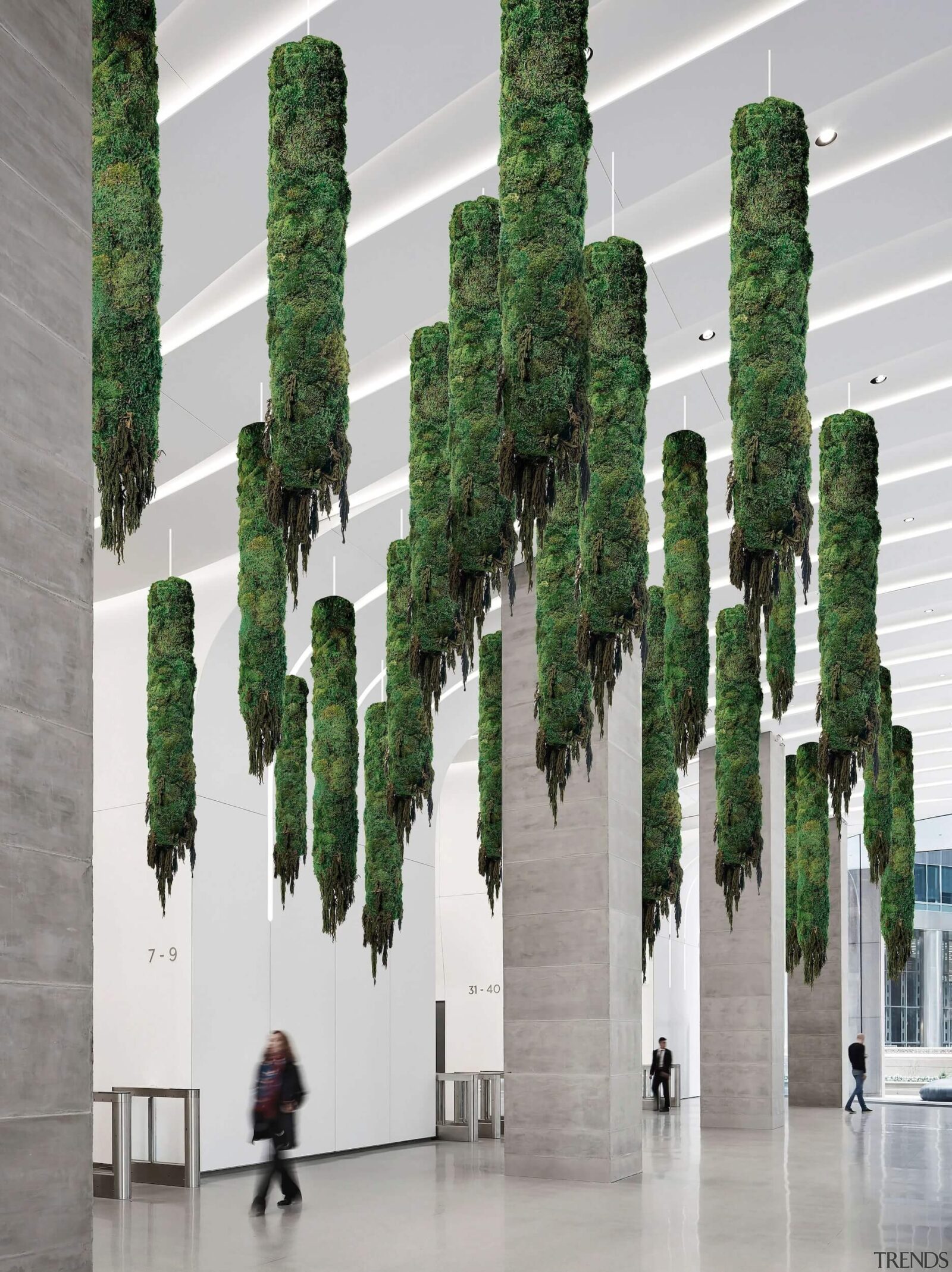
At Plant The Future, art and nature merge to create immersive living environments that restore, calm, and reconnect. What began as a personal longing for nature has evolved into one of Miami’s most distinctive botanical art studios — a space where plants are not decoration, but dialogue.
We sat down with founder Paloma Teppa to talk about vision, sustainability, spirituality, and the future of botanical art.
Q&A With Founder Paloma Teppa
What inspired you to found Plant The Future? How did your vision evolve?
I followed my heart and brought together all my passions. I come from an artistic family — my father was a painter — and I always loved art and design. I studied industrial design and fine arts, but I also deeply loved nature. I grew up in Córdoba, Argentina, surrounded by expansive gardens and open land. When I later moved to Miami and Italy, I didn’t immediately understand what I was missing — but I felt it. I was missing nature. I was missing that connection for my well-being. Plant The Future was born from that realization. I needed to create something that brought peace — for myself and for others.
When did you launch the company?
I founded Plant The Future in 2008. We began in Wynwood and were one of the first stores in the neighborhood. Later, we moved to Little Haiti, and eventually we purchased a former gas station property and transformed it. The vision is bigger than a store. It’s about creating an eco-conscious destination — planting seeds for a more connected future.
How do you define the intersection between art and nature in your work?
I observe nature constantly — how she reacts, how she gives, how she restores. When I design, I ask: How can I guide nature in a way that honors her? How can I create beauty without harming? There is an energy in nature that is abundant and powerful. When you align with nature, she aligns with you. My life feels abundant because of that alignment. It’s something you feel more than you can explain.
Are you personally the artist behind the installations?
Yes. The core designs are mine. But I also love collaboration. I work closely with architects, interior designers, and other artists. When someone comes with a vision, I listen carefully — how they want to communicate through plants — and I help bring that vision to life.
Who is your typical client?
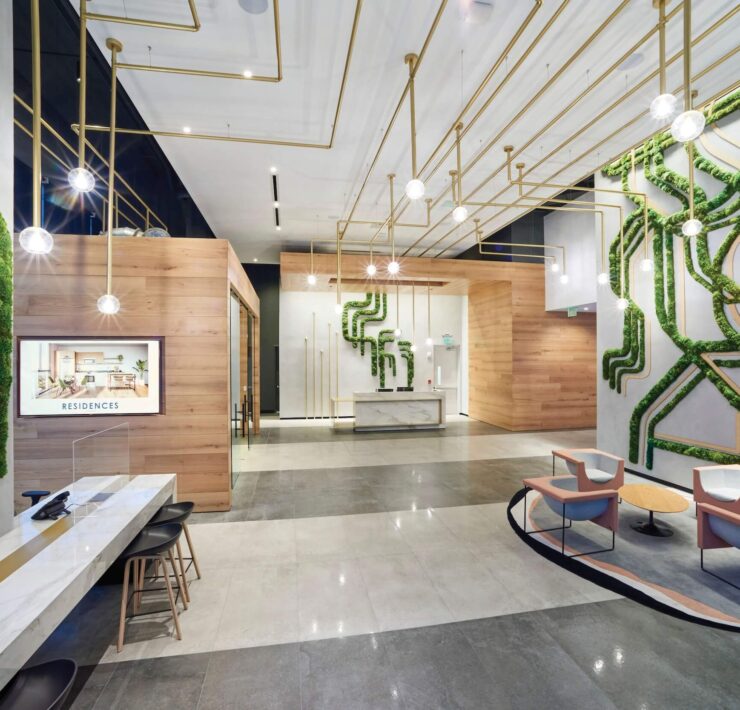
Everyone. Nature doesn’t discriminate. A tree doesn’t give more fruit to one person than another. It gives everything it has. Our projects range from small arrangements to expansive installations across residential, hospitality, commercial spaces, and yachts. There are no limitations. Nature belongs everywhere.
Sustainability is central to your message. How do you implement it?
Sustainability is one of our pillars, along with spirituality and art & design. We strive to be as conscious as possible in everything we do. Even this property reflects that philosophy. It was once a gas station. Instead of building new, we repurposed it. While removing decades of asphalt, we uncovered stones from the land. Around that same time, we learned the site sits near sacred grounds of the Tequesta tribe, the Native Americans of South Florida. The discovery felt meaningful. We created a collection using petrified sand found on site — honoring the land’s history. Plants have existed millions of years before humans. They don’t speak to communicate. They don’t work to survive. They live in peace. We have so much to learn from them.
What makes your living art different from traditional plant installations?
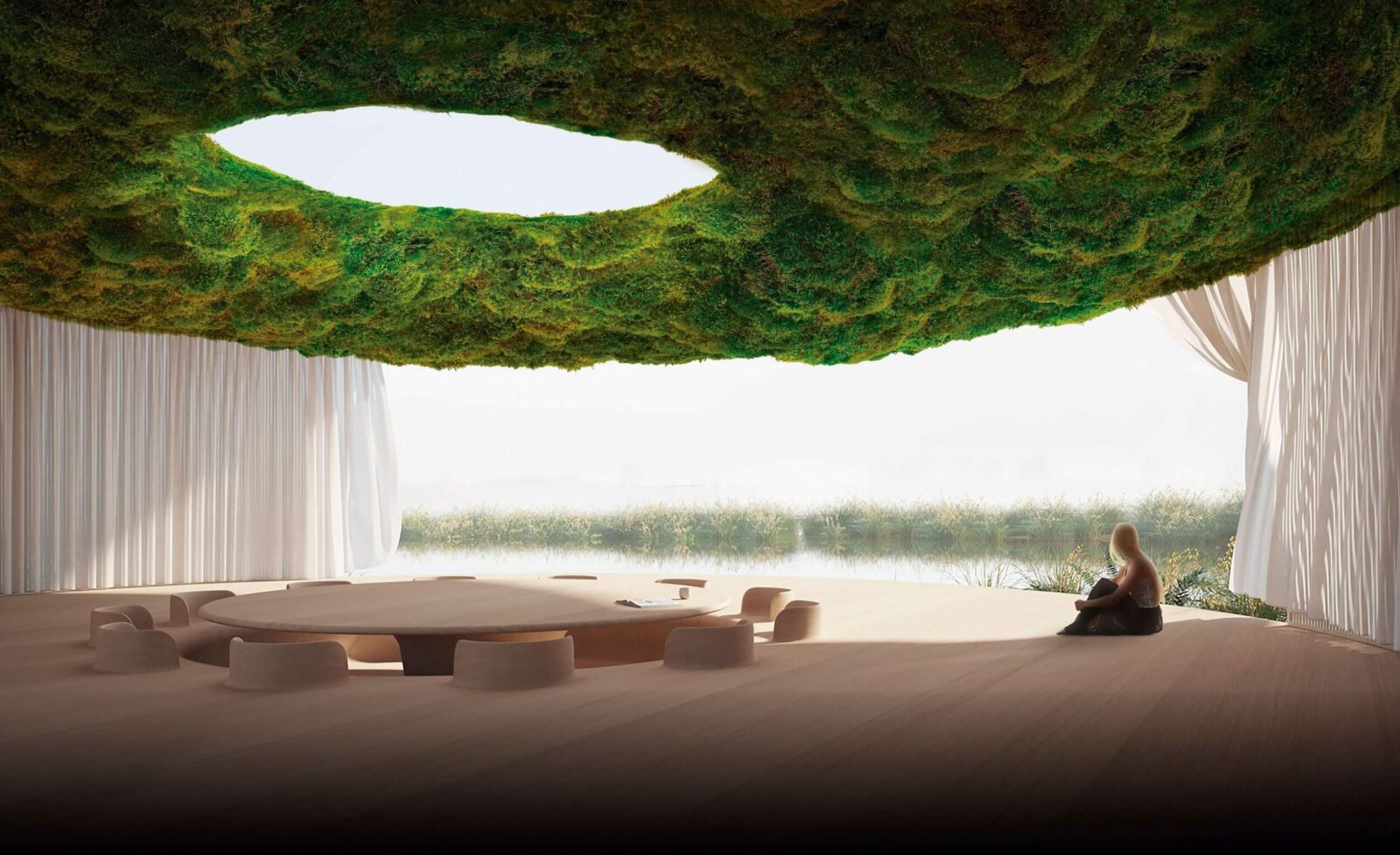
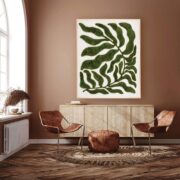
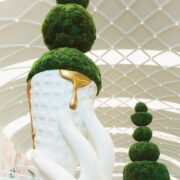
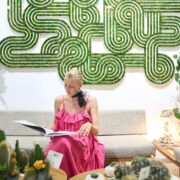
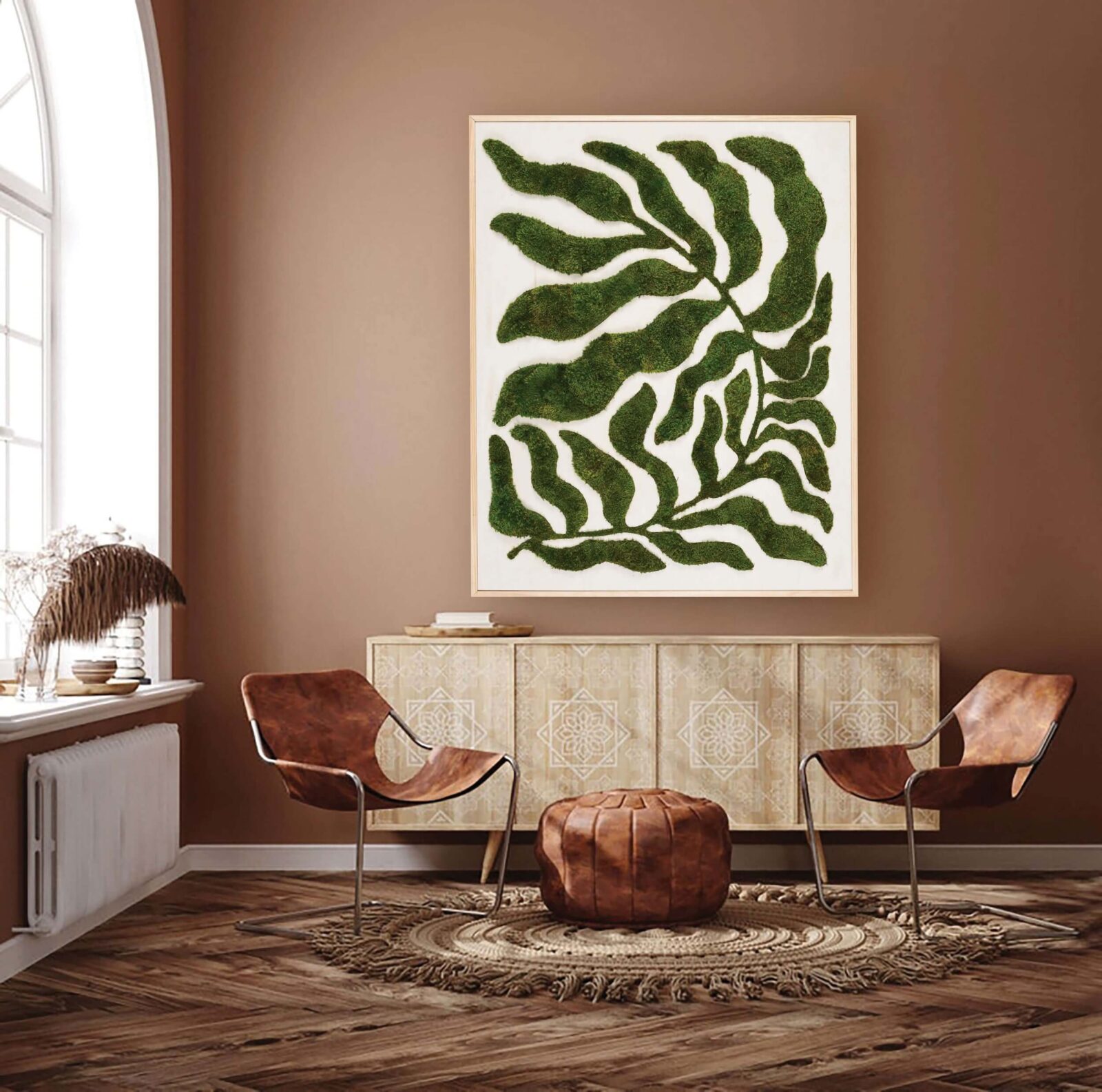
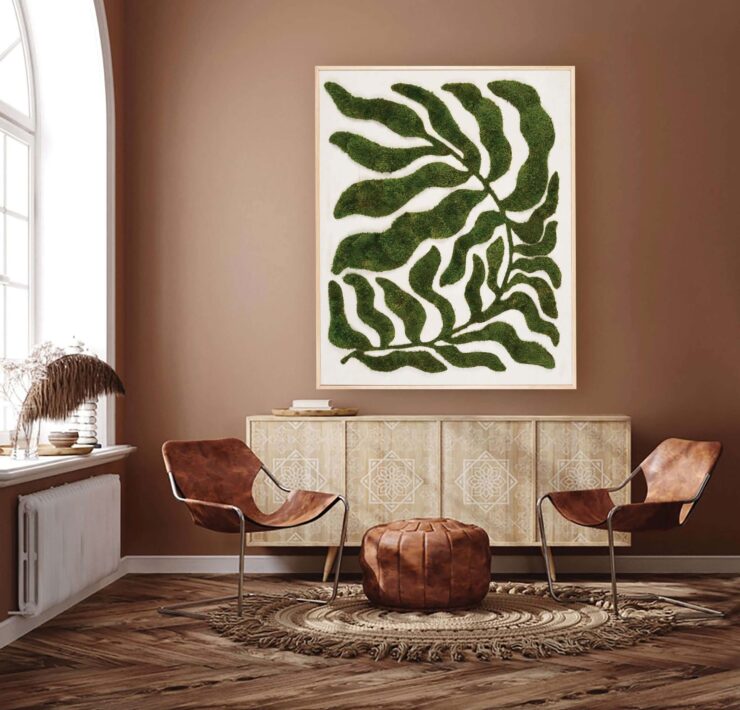
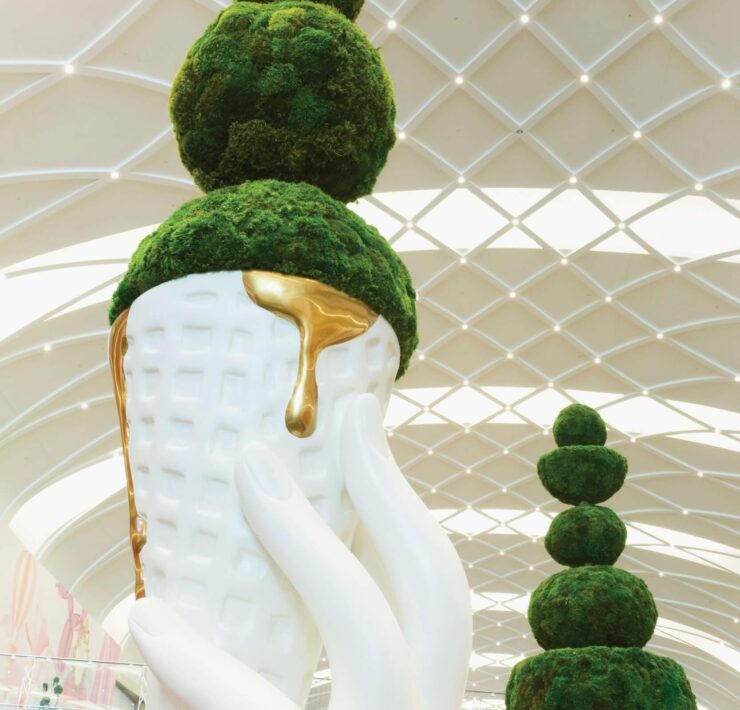
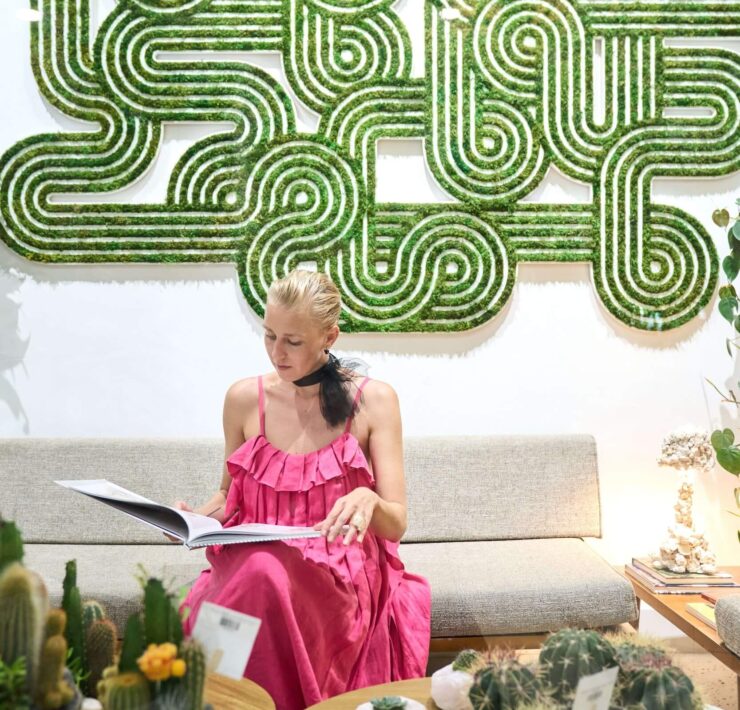
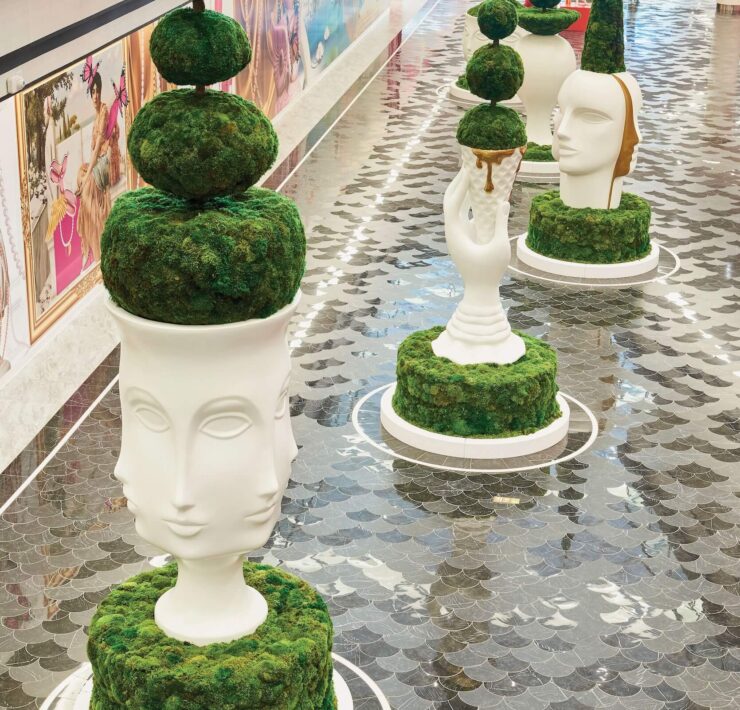
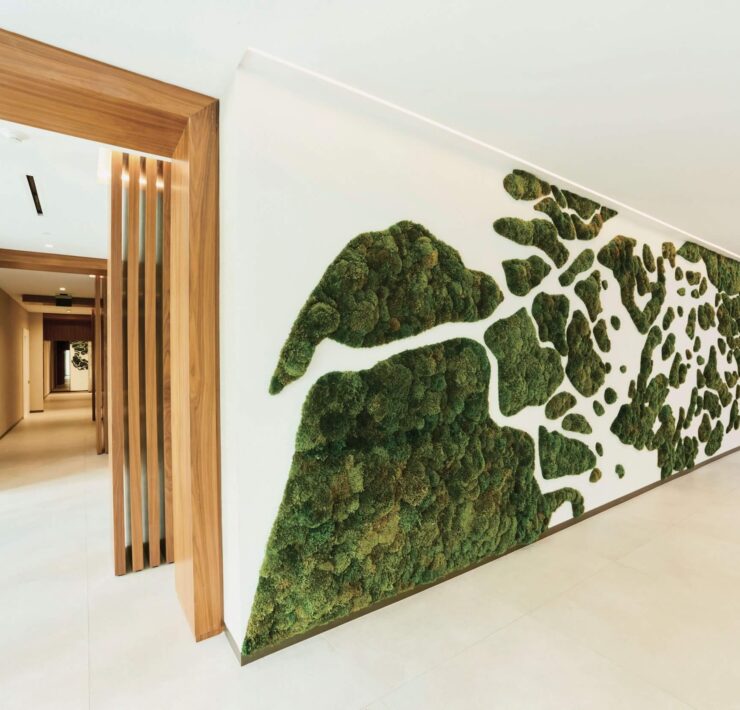
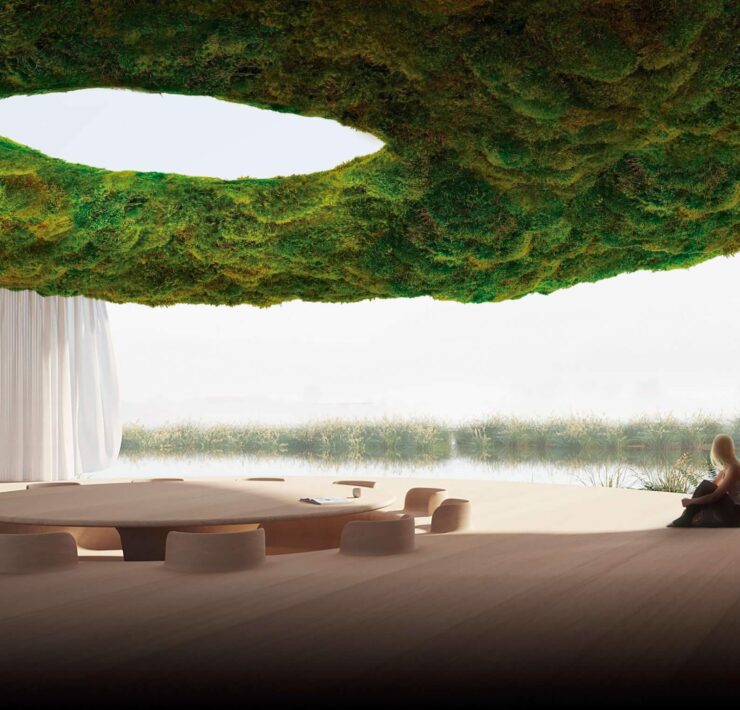
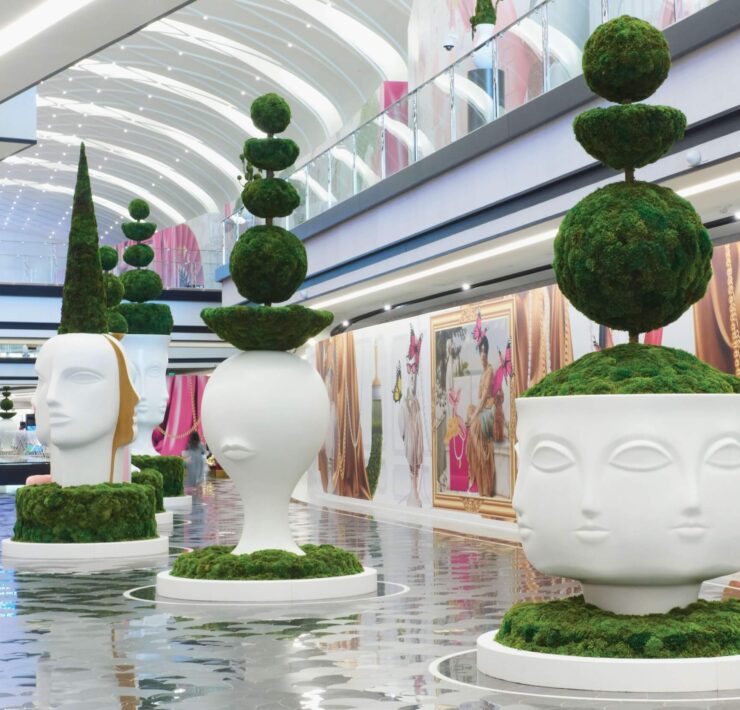
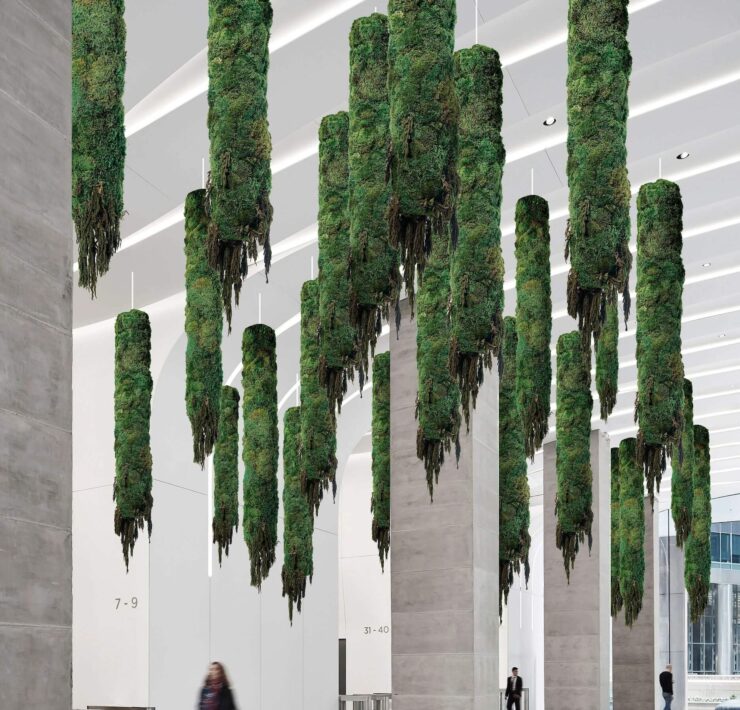
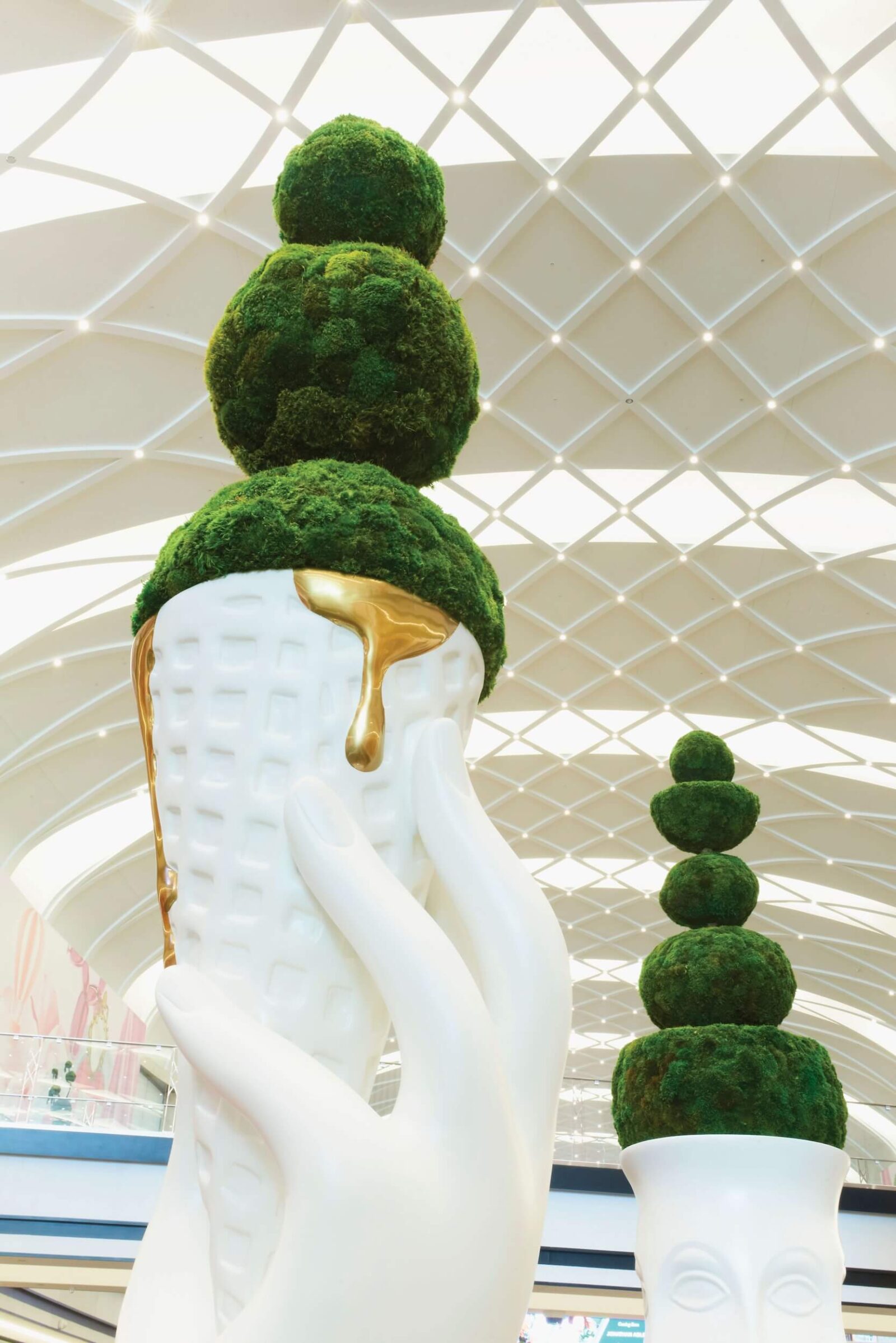
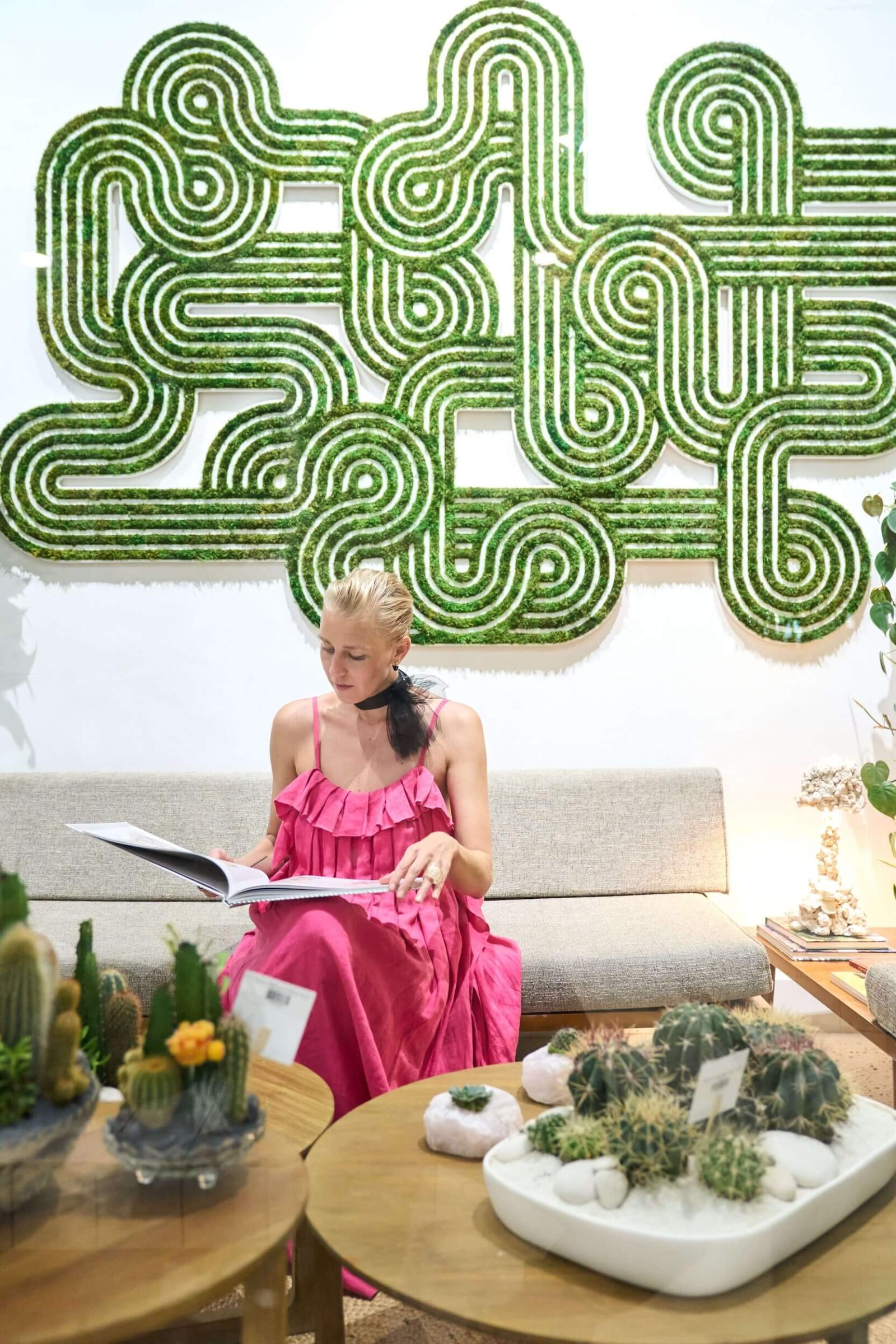
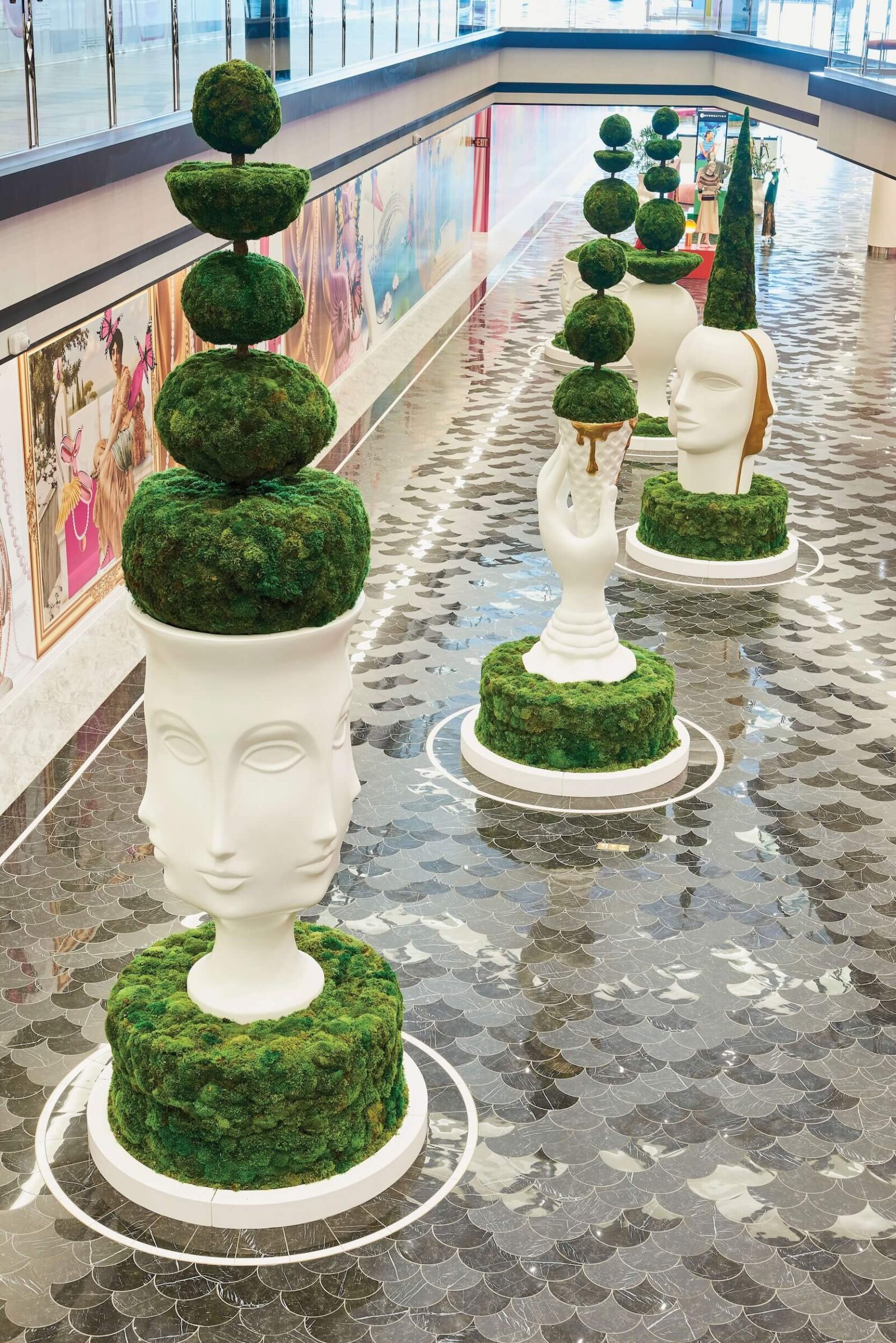
We listen. Some clients want lush living walls but don’t have the infrastructure for ongoing maintenance. So we developed preserved plant and moss installations that require no watering or light yet maintain texture and natural beauty. Moss is powerful. It softens sound. It creates immersion. It calms the nervous system. Biophilic design isn’t a trend — it’s a human need. When people step into our environment, they often say it feels like entering a fairy tale. That reaction is the nervous system responding to nature.
Where do you see botanical art heading in the next five years?
Toward deeper connection and biodegradable materials. As designers, we must learn to create using what nature gives as a gift — not by destroying or extracting in harmful ways. Luxury is evolving. Before, it meant marble, gold, crystal. Beautiful materials — yes. But now, true luxury is how you feel.
Luxury today is:
- Feeling grounded
- Feeling peaceful
- Feeling open-hearted
We don’t design homes to show wealth anymore. We design them to reflect our essence. In nature, people open their hearts. They stop judging. They become themselves. We are all different. Nature celebrates uniqueness — and our spaces should too.
Visit Plant The Future
Plant The Future welcomes guests to explore its immersive botanical gallery and curated café, open Monday through Saturday from 9:00 AM to 6:00 PM.
The space is also available for private events, with optional full café service featuring thoughtfully curated offerings such as matcha and ceremonial cacao.
More information can be found at planthefuture.com and on Instagram @plantthefuture.