Carlos Ott | A Study in Architectural Restraint, Global Perspective, and Enduring Design
 +1
+1 Carlos Ott | A Study in Architectural Restraint, Global Perspective, and Enduring Design
Carlos Ott | A Study in Architectural Restraint, Global Perspective, and Enduring Design
Carlos Ott | A Study in Architectural Restraint, Global Perspective, and Enduring Design
Carlos Ott | A Study in Architectural Restraint, Global Perspective, and Enduring Design
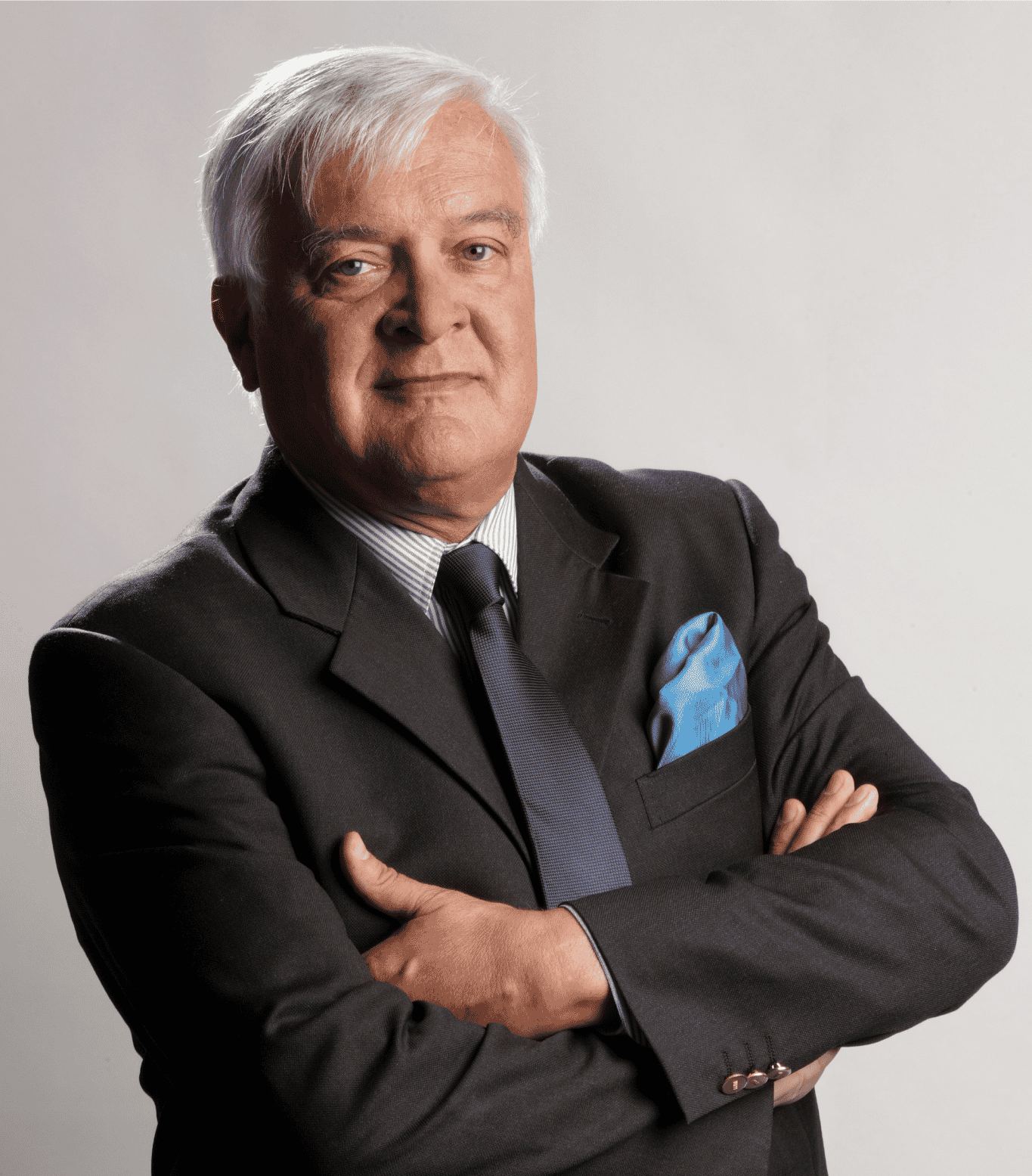
“Architecture is not fashion. It’s not something that changes every season.” For internationally recognized architect Carlos Ott, that idea has shaped a body of work spanning continents and cultures, including landmark projects such as the Opéra Bastille in Paris. His approach is grounded in the belief that architecture should respond to context, program and longevity. It’s a stark contrast to much of today’s residential development, where visual identity is often driven by short-term design cycles. Ott’s work instead emphasizes permanence through proportion, material selection and spatial clarity.
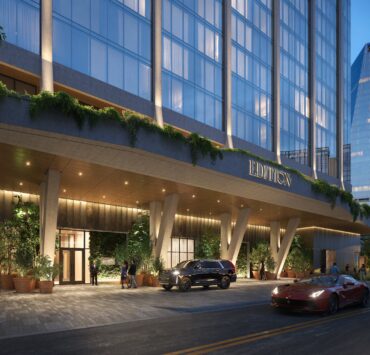
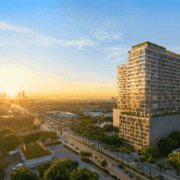
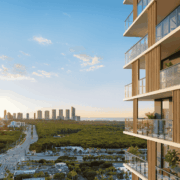
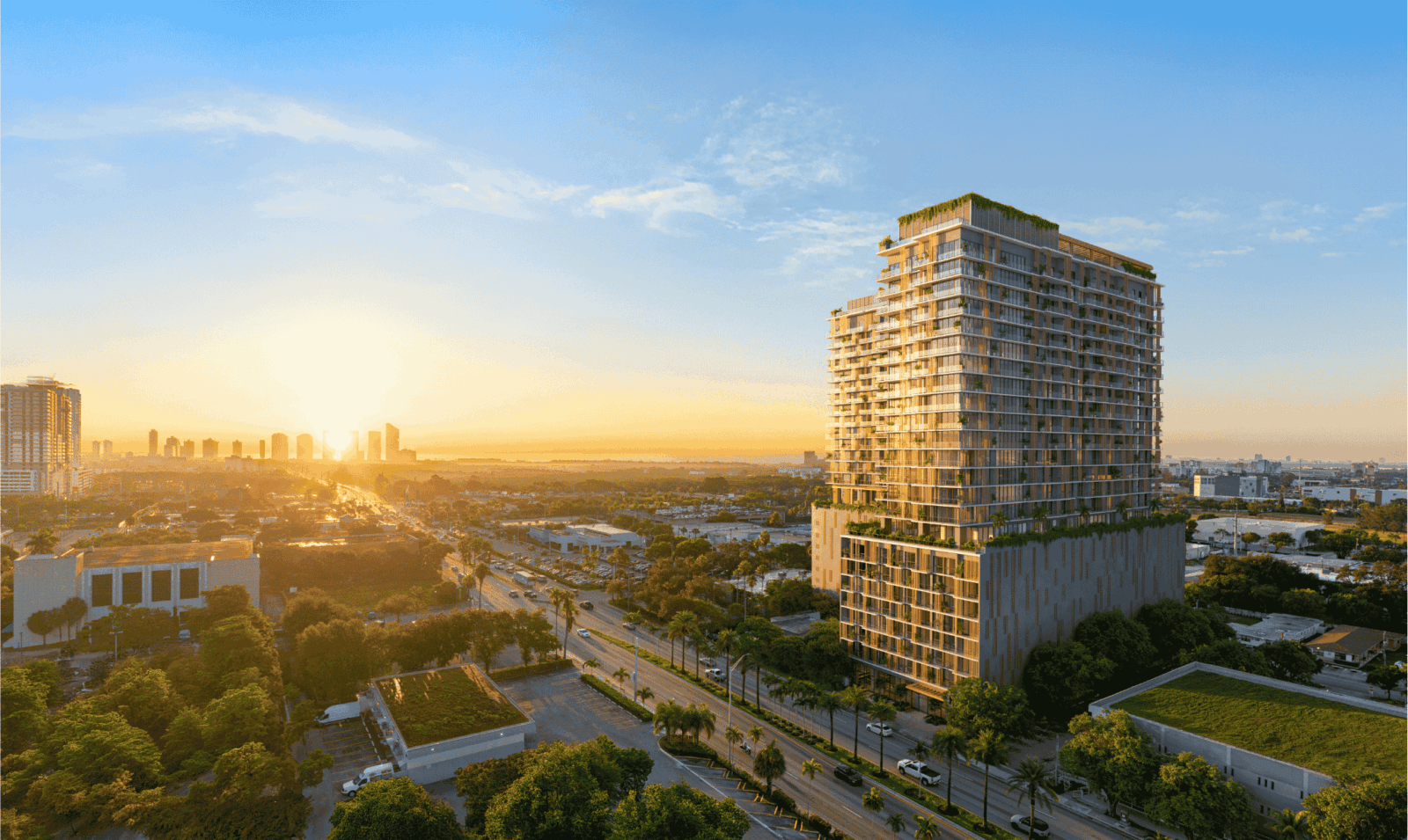
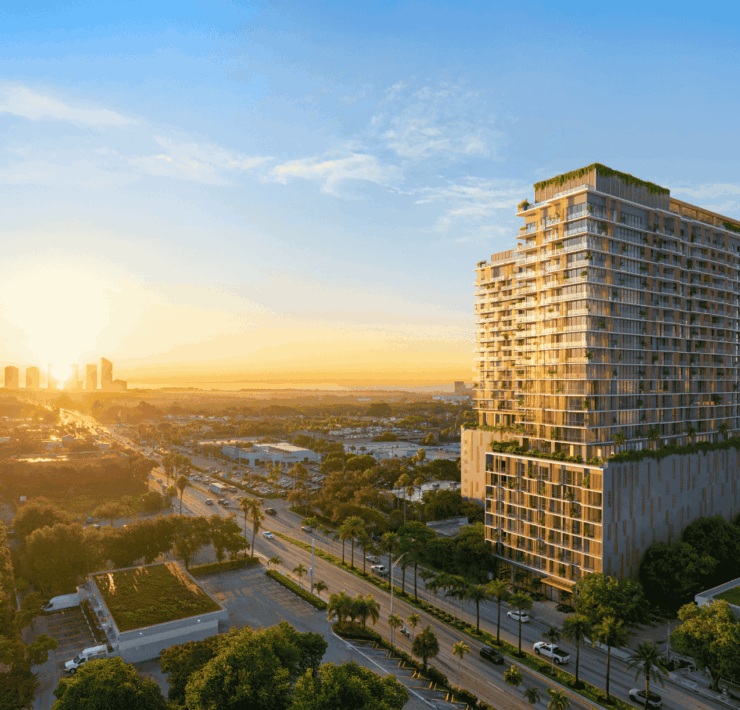
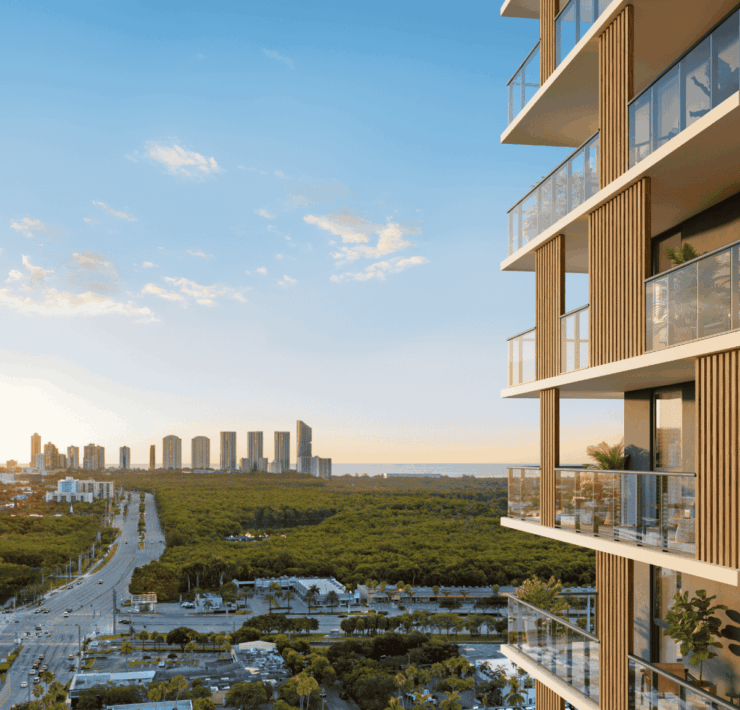
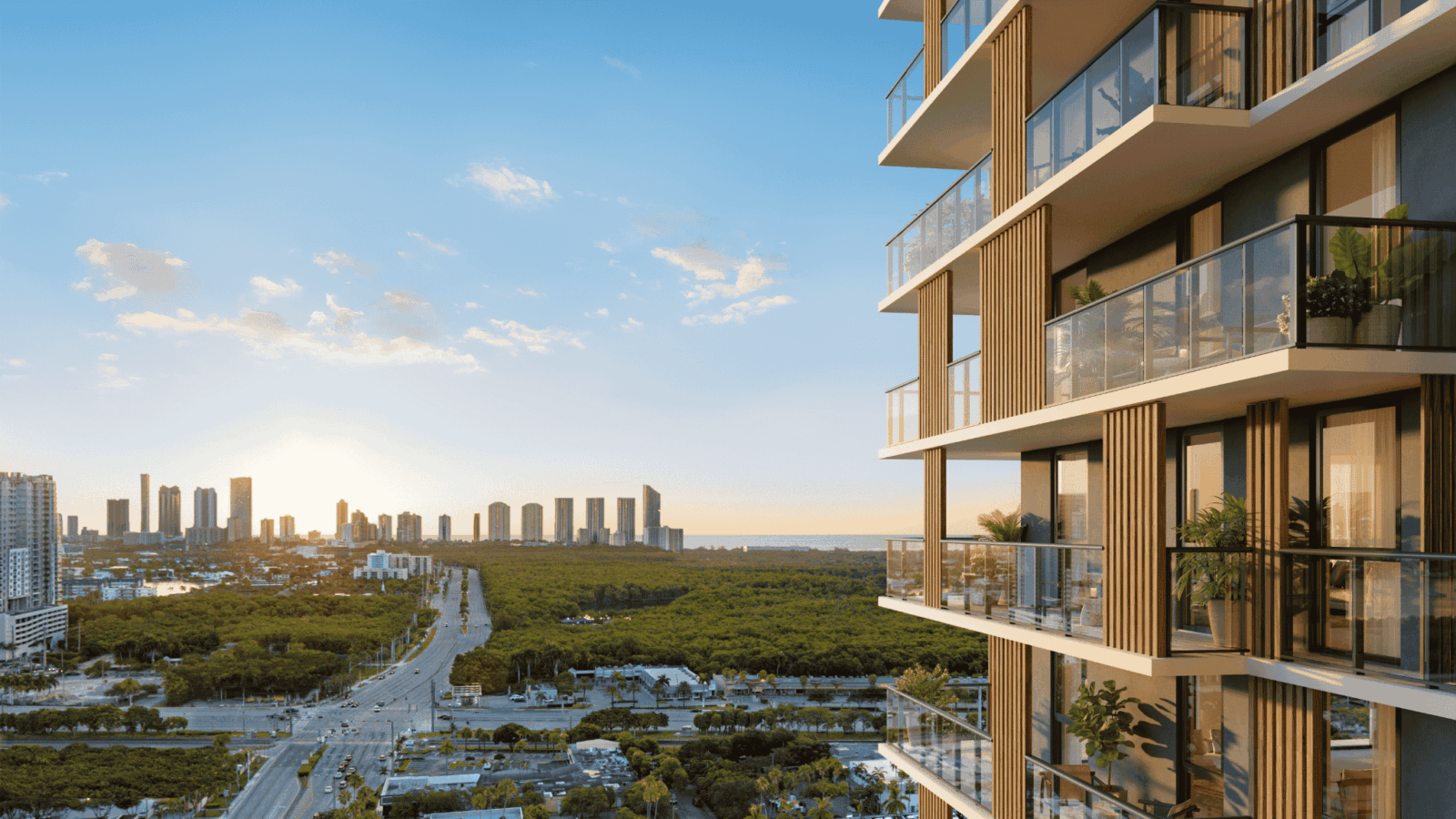
In Miami, his portfolio includes several high-profile towers, among them the Waldorf Astoria Miami, Delano Residences and Frida Kahlo Residences, as well as The William Residences. The latter, a 26-story condominium development by Blue Road and Ilia Development Group, finds his philosophy expressed in a more intimate residential context. His decision to take on the project aligns with a broader reading of Miami’s growth, where attention is increasingly expanding beyond its most established corridors. North Miami Beach, in particular, offers a setting for a different scale of design intervention. The building is organized through a clear vertical composition, where louvered elements and layered balconies create depth, rhythm and movement across the façade. Yet the architecture is conceived as more than image.
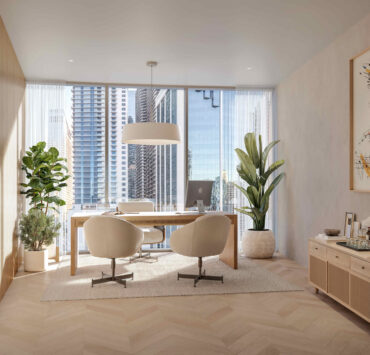
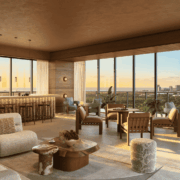
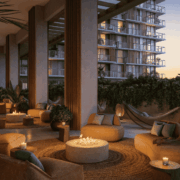
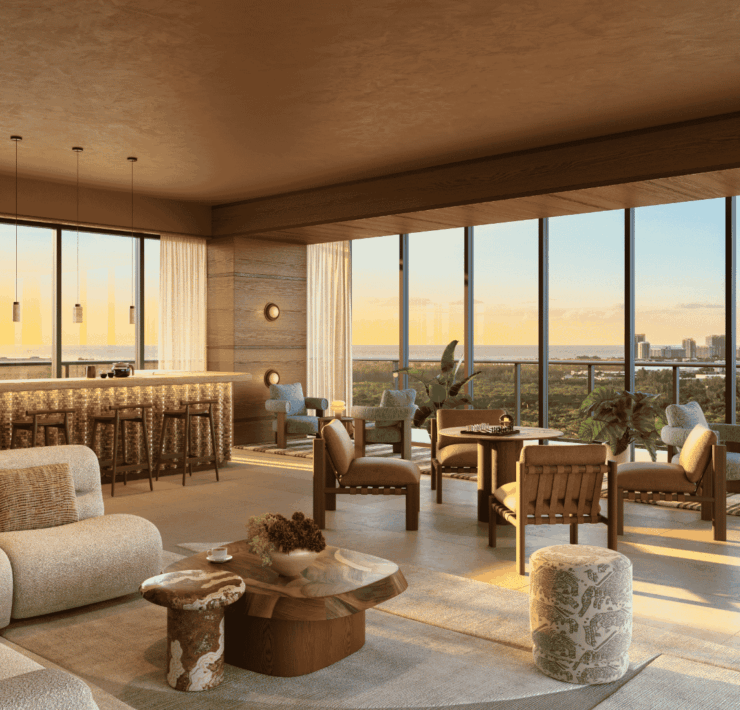
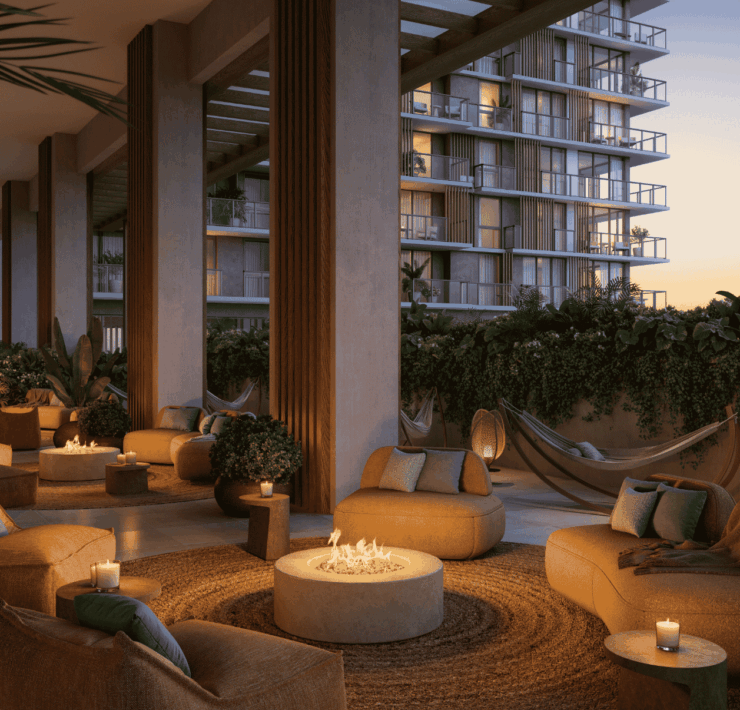
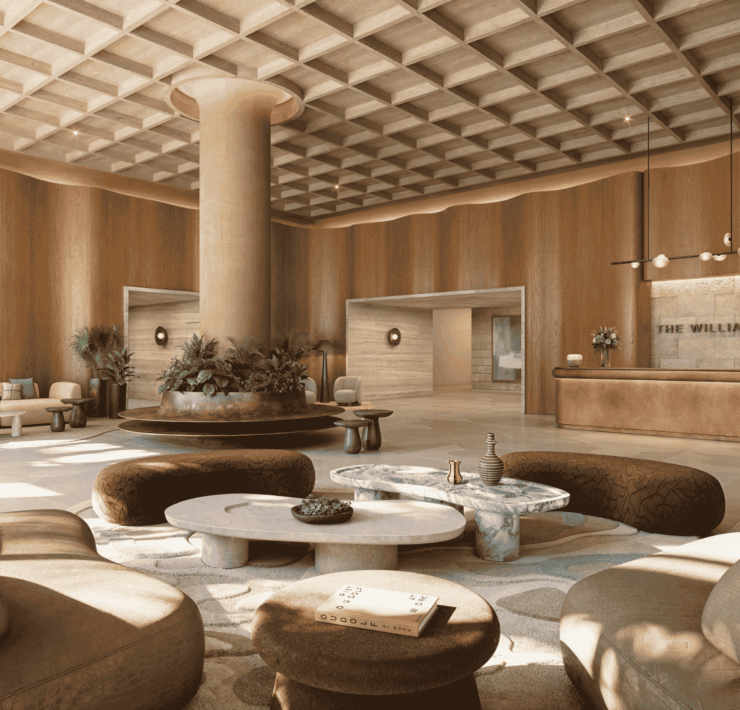
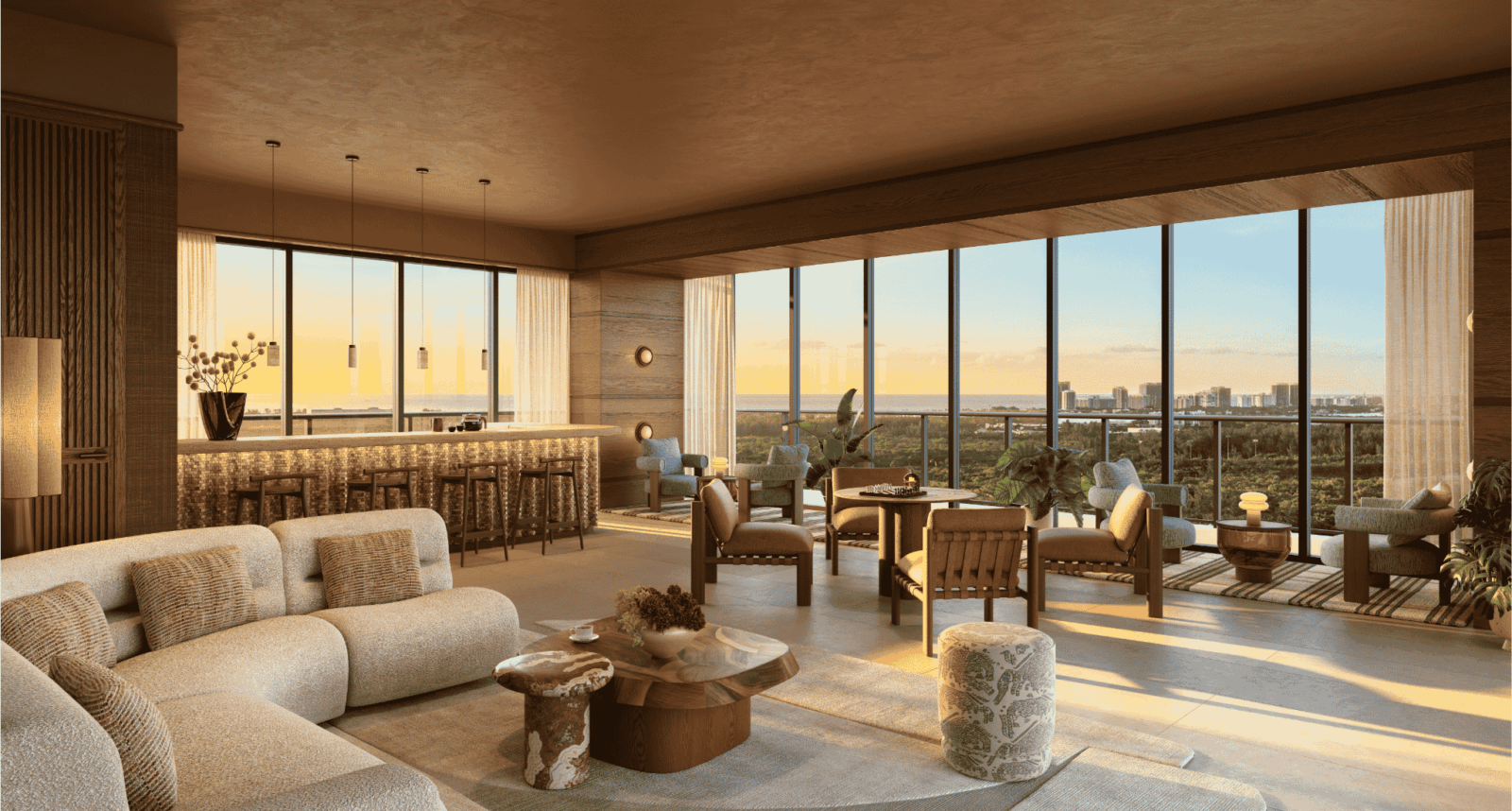
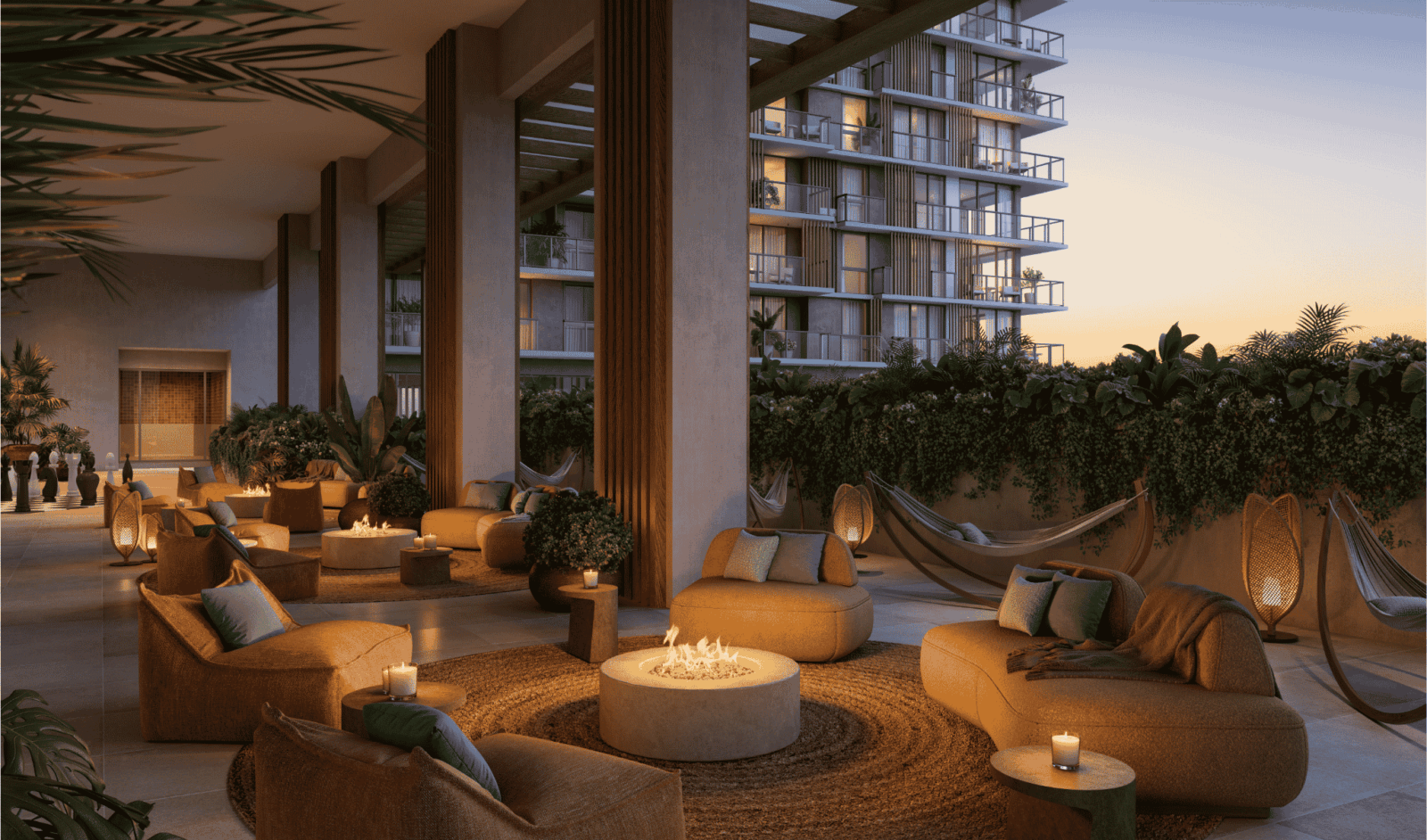
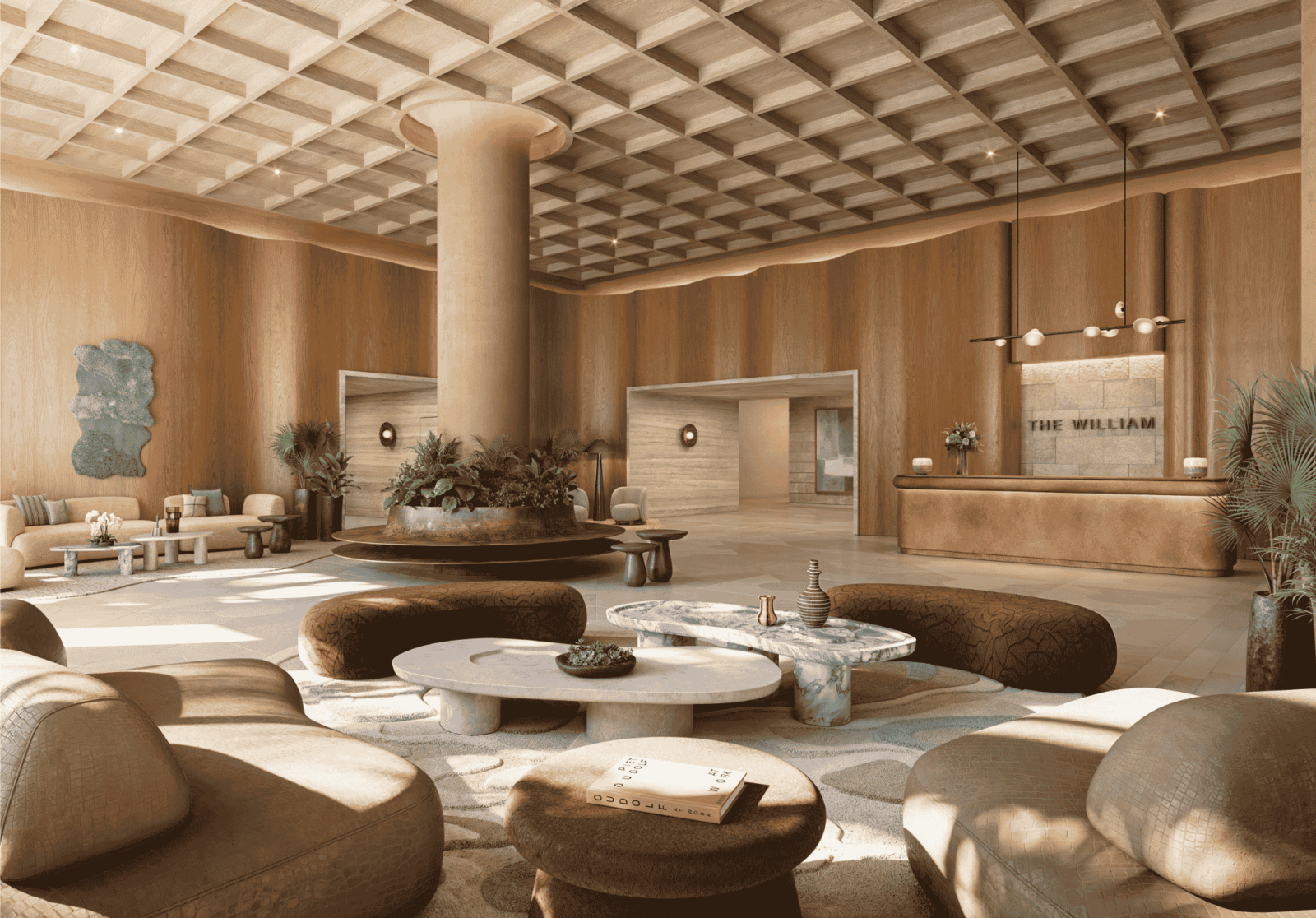
Ott believes form begins with how daily life unfolds. Residences are planned around the flow between living, dining and private spaces, arranged to feel intuitive in the present while flexible over time. Expansive windows and private terraces extend that experience outward, drawing in light, air and continuity with the surrounding landscape. That thinking carries into the material palette, where glass, pale finishes and warm wood accents temper the structure’s rigor with a tactile calm. Rather than relying on contrast for effect, the finishes work in concert to lend warmth and permanence, reinforcing an approach where livability and architecture are inseparable. Across multiple levels, amenities shift between more active settings and quieter zones, and carry daily life into open-air environments designed for rest, movement and social connection.
For Ott, the goal remains what it has always been: not to follow the season, but to outlast it. In a city that often rewards the bold and the fleeting, his sensibility is tailored to endure long after the moment has passed.