Jerry Saltz Talks Art, Power & the Market at Palm Beach Modern Auctions
 +10
+10 Jerry Saltz Talks Art, Power & the Market at Palm Beach Modern Auctions
Jerry Saltz Talks Art, Power & the Market at Palm Beach Modern Auctions
Jerry Saltz Talks Art, Power & the Market at Palm Beach Modern Auctions
Jerry Saltz Talks Art, Power & the Market at Palm Beach Modern Auctions
Jerry Saltz Talks Art, Power & the Market at Palm Beach Modern Auctions
Jerry Saltz Talks Art, Power & the Market at Palm Beach Modern Auctions
Jerry Saltz Talks Art, Power & the Market at Palm Beach Modern Auctions
Jerry Saltz Talks Art, Power & the Market at Palm Beach Modern Auctions
Jerry Saltz Talks Art, Power & the Market at Palm Beach Modern Auctions
Jerry Saltz Talks Art, Power & the Market at Palm Beach Modern Auctions
Jerry Saltz Talks Art, Power & the Market at Palm Beach Modern Auctions
Jerry Saltz Talks Art, Power & the Market at Palm Beach Modern Auctions
Jerry Saltz Talks Art, Power & the Market at Palm Beach Modern Auctions
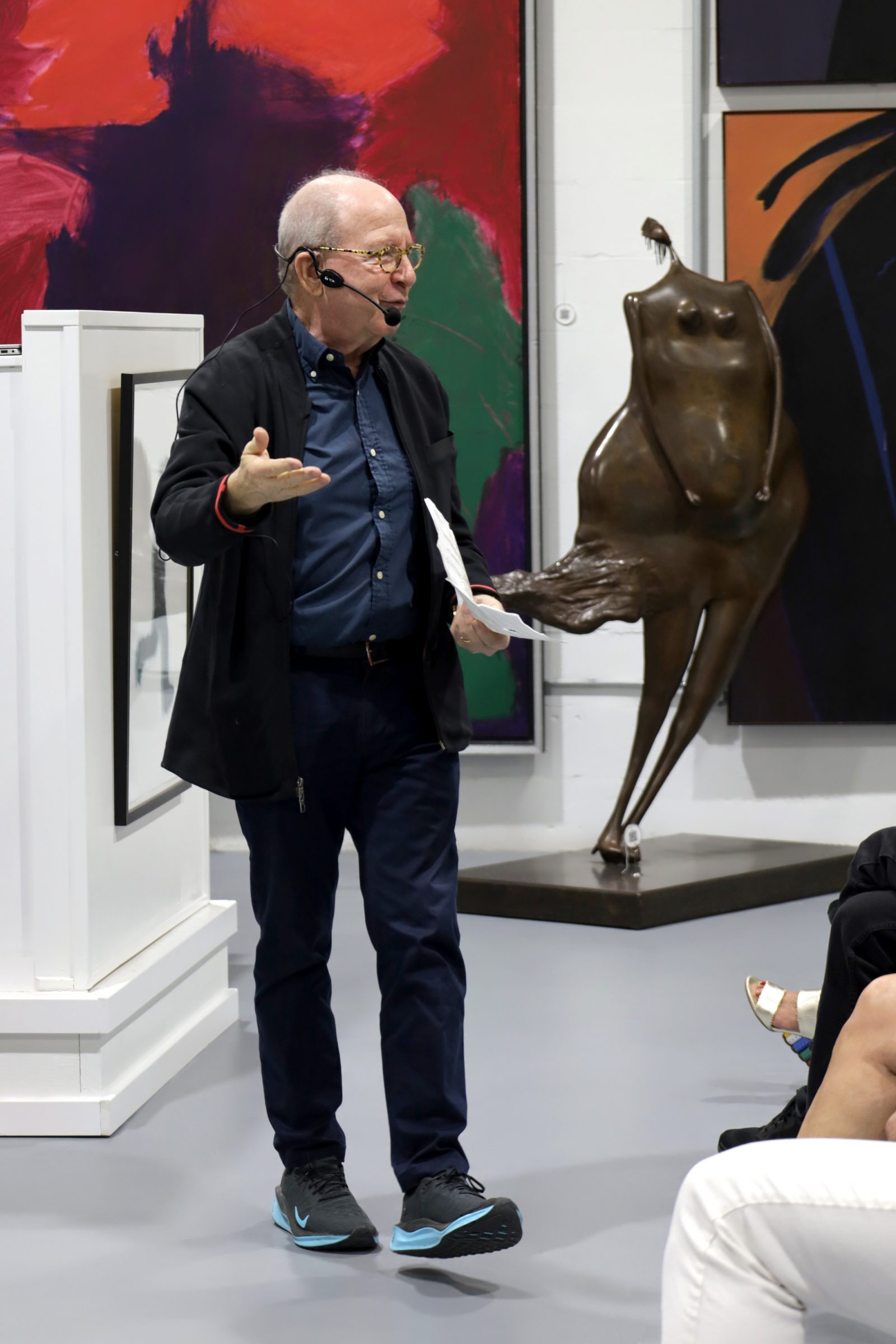
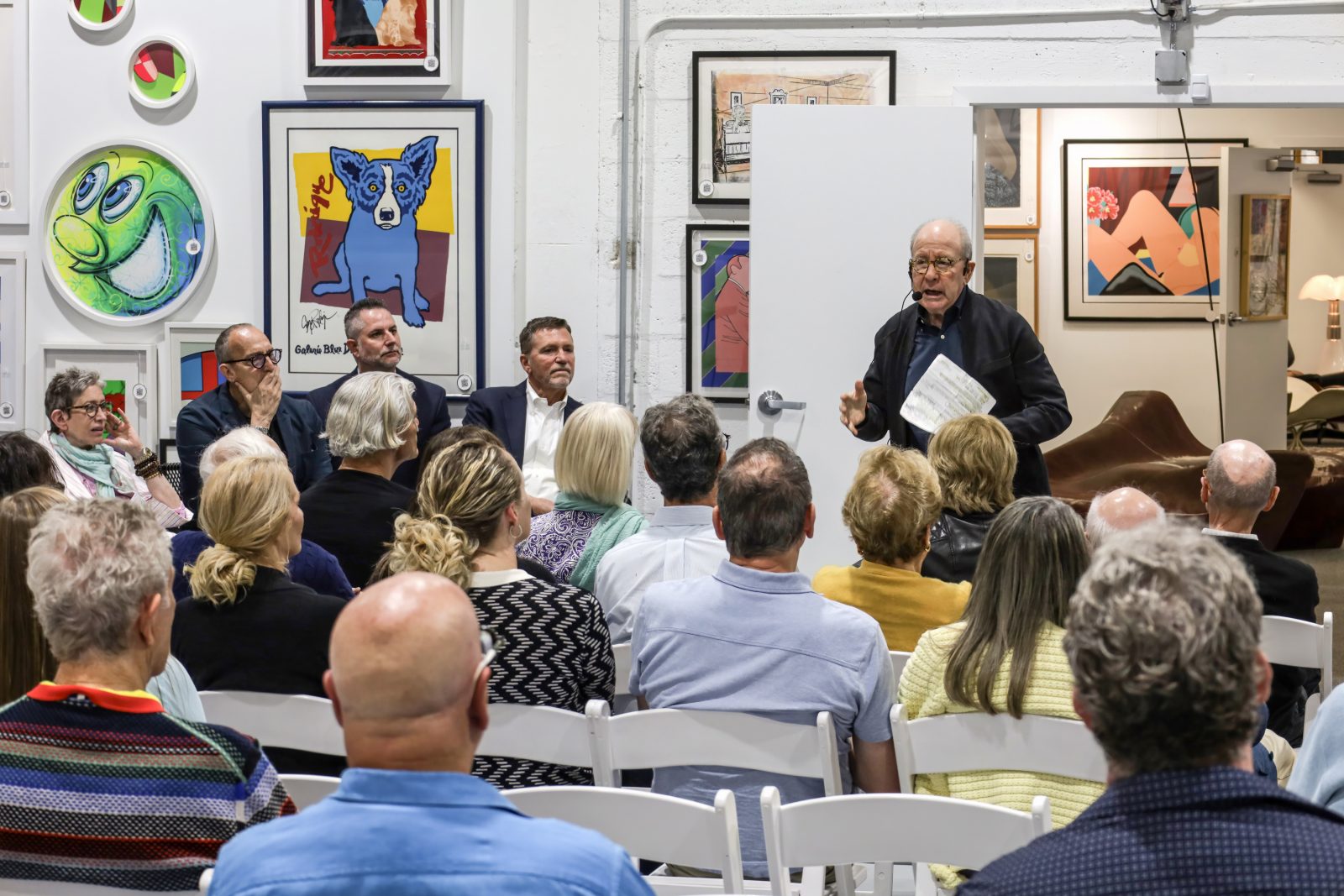
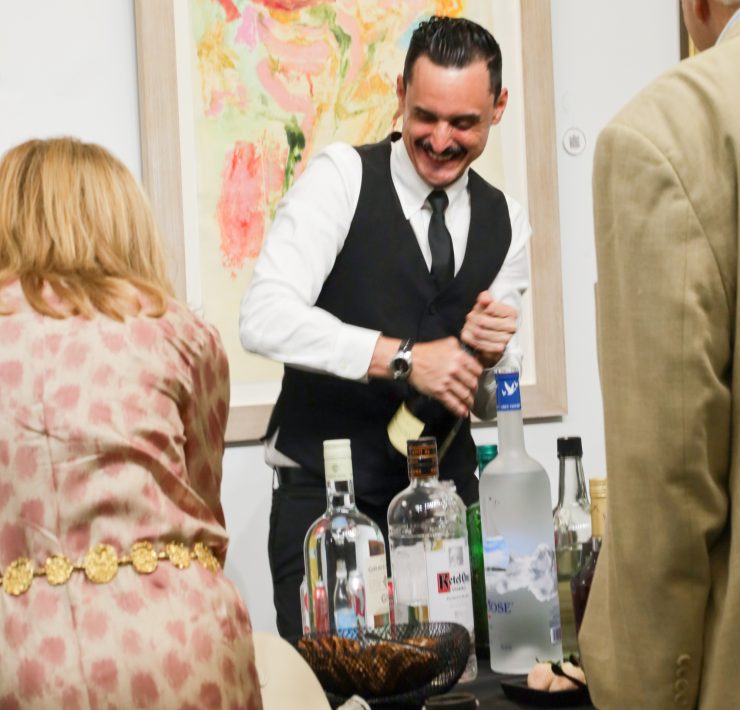
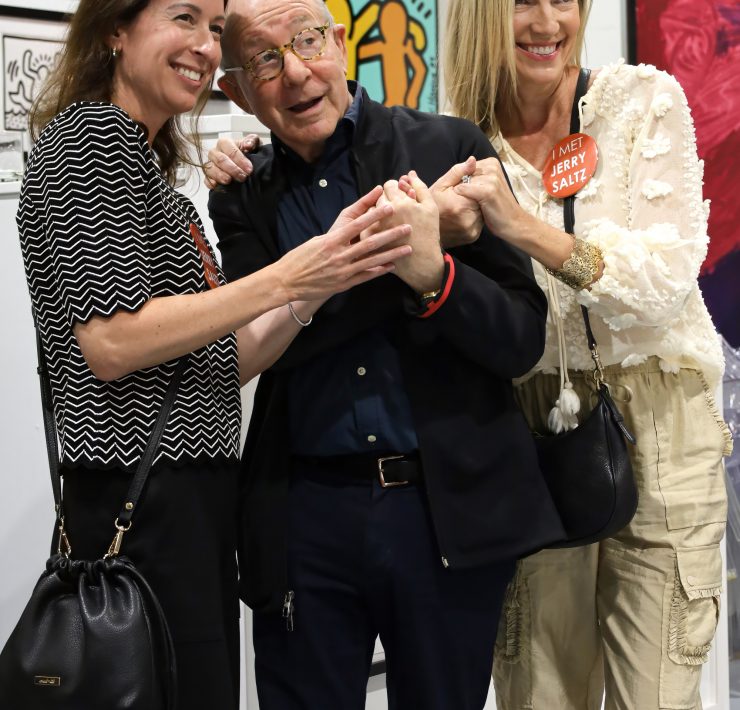
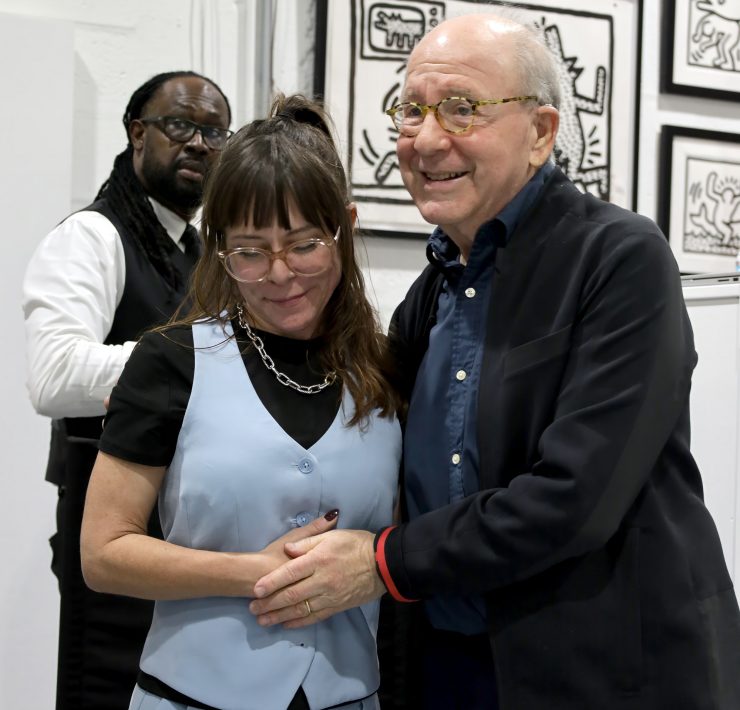
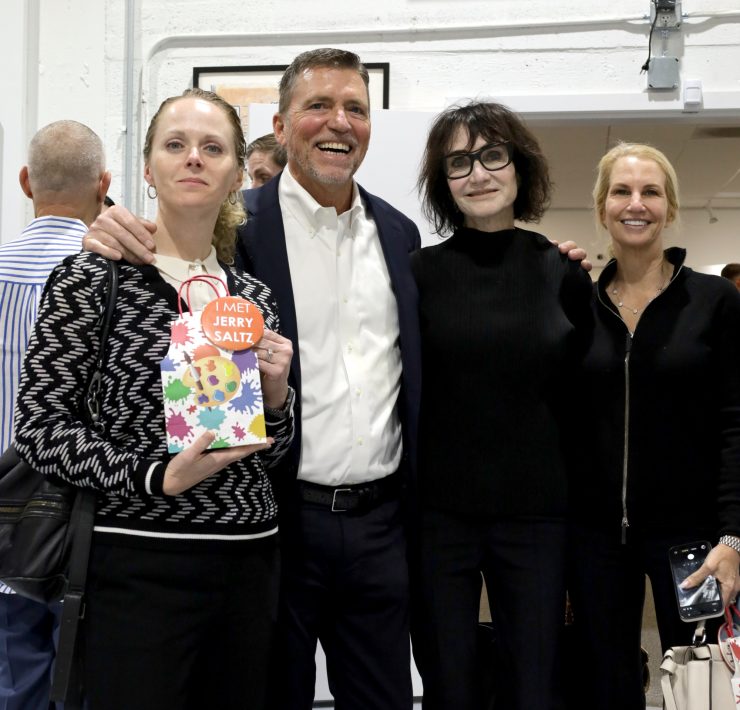
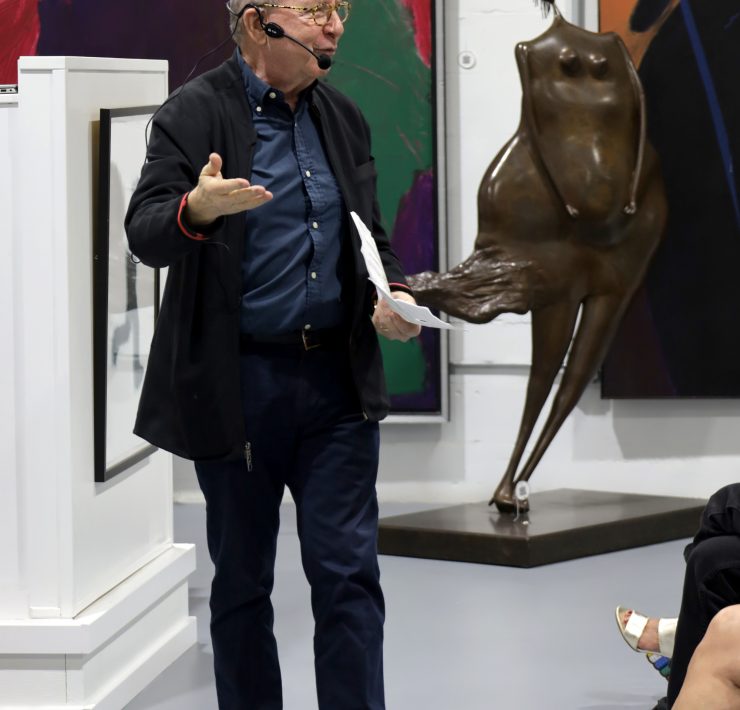
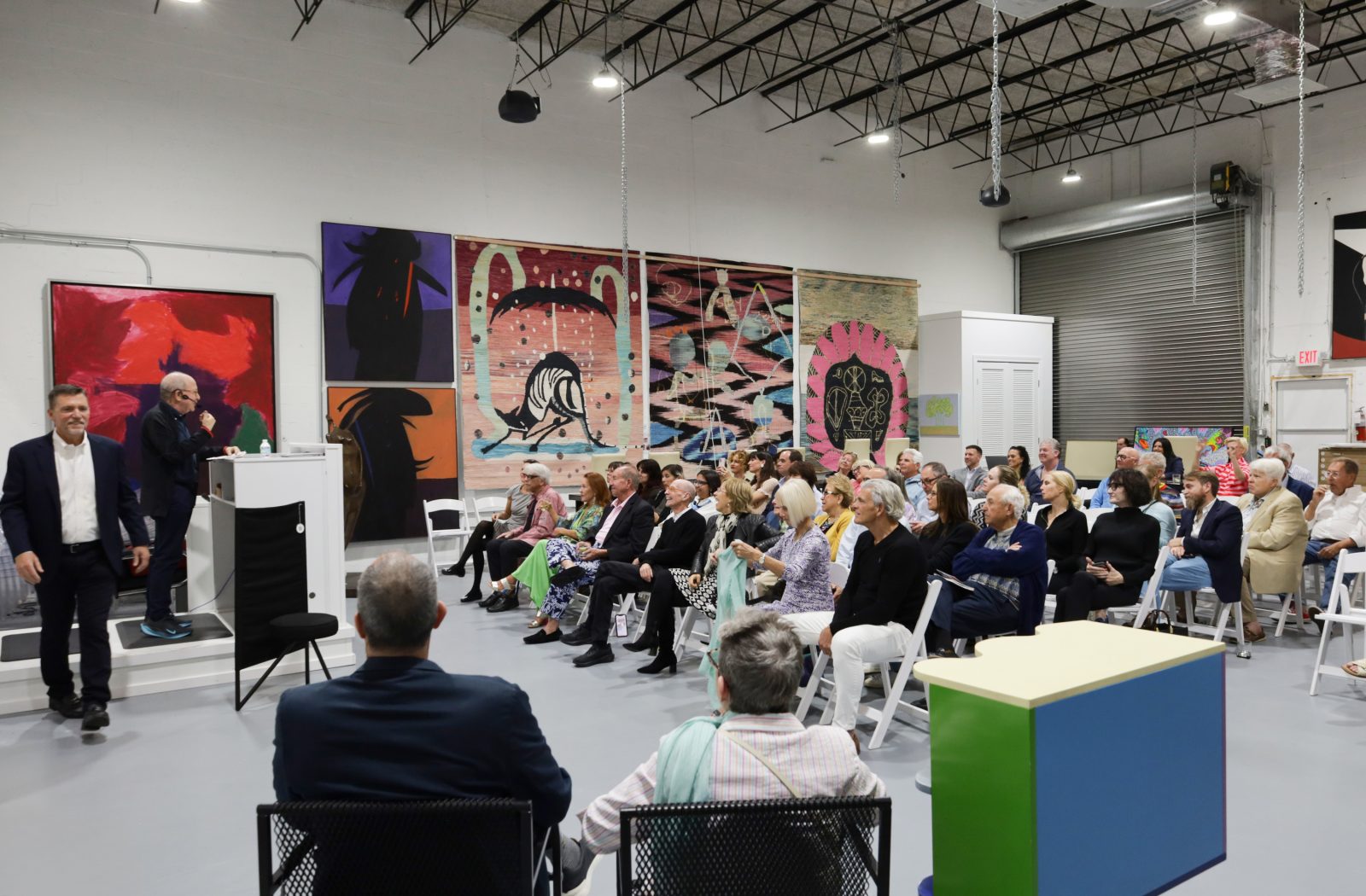
Palm Beach is accustomed to spectacle. It knows galas, blue chip exhibitions, museum openings, and private viewings behind discreet doors. But on a recent evening inside Palm Beach Modern Auctions, something unfolded that felt less like spectacle and more like a quiet recalibration.
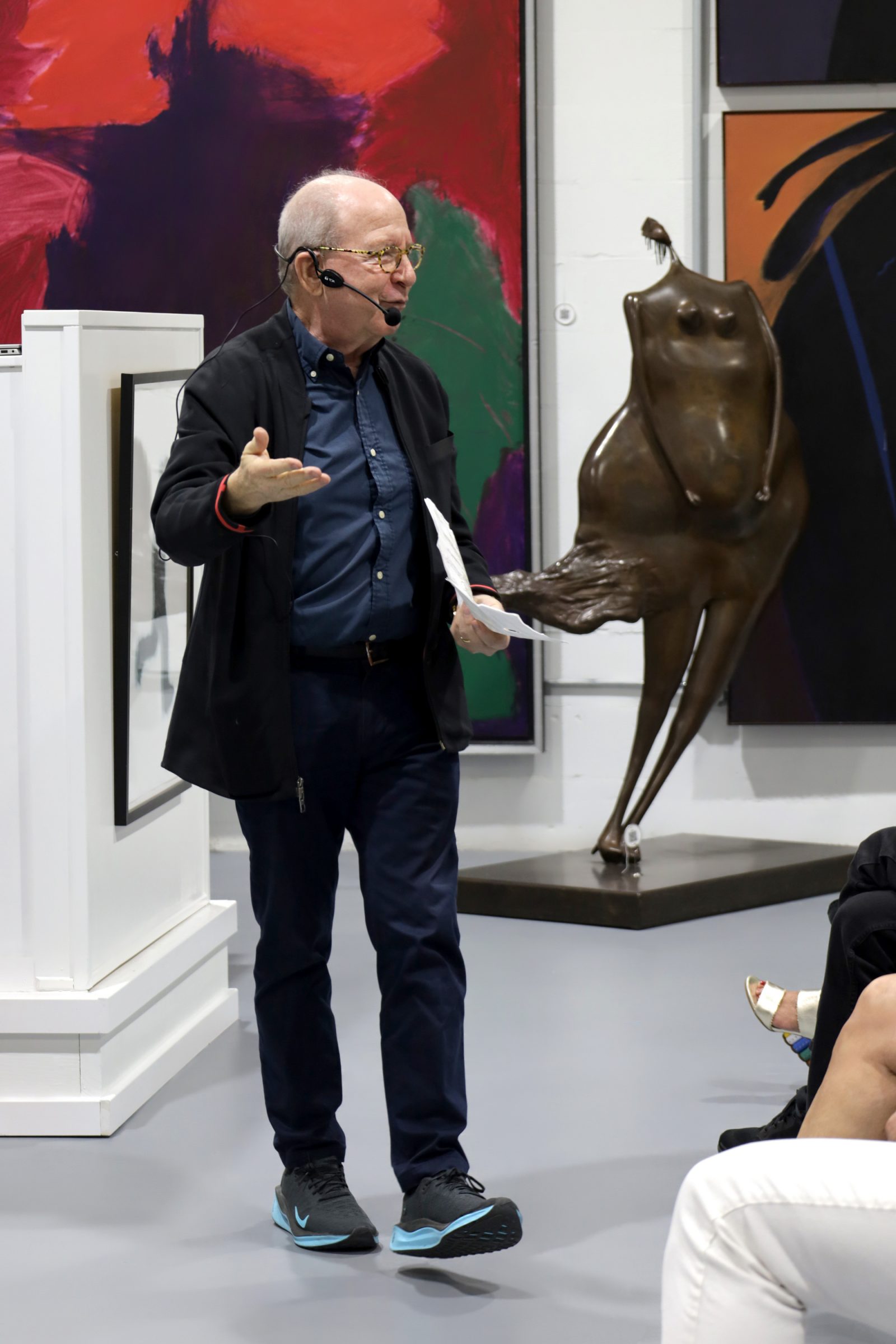
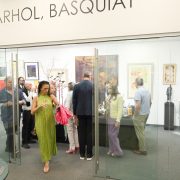
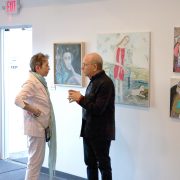
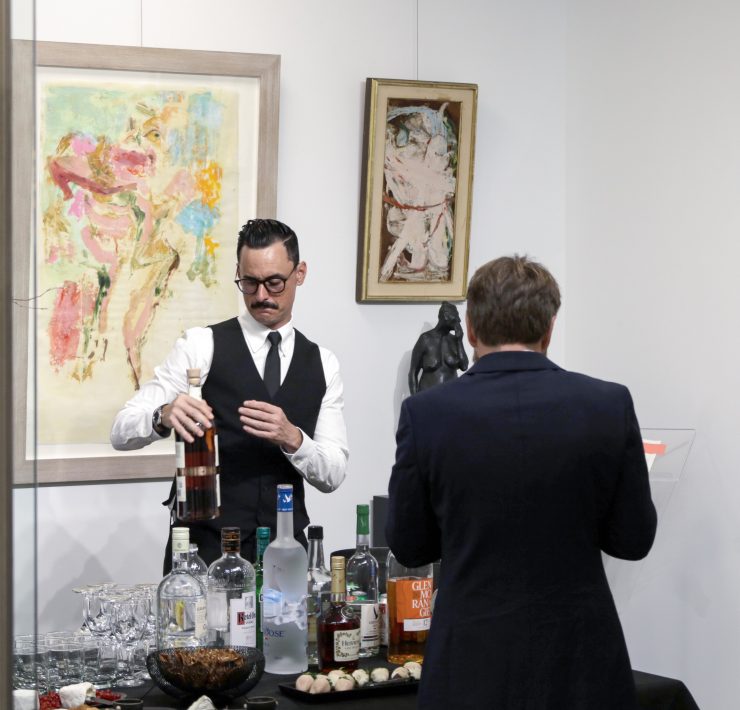
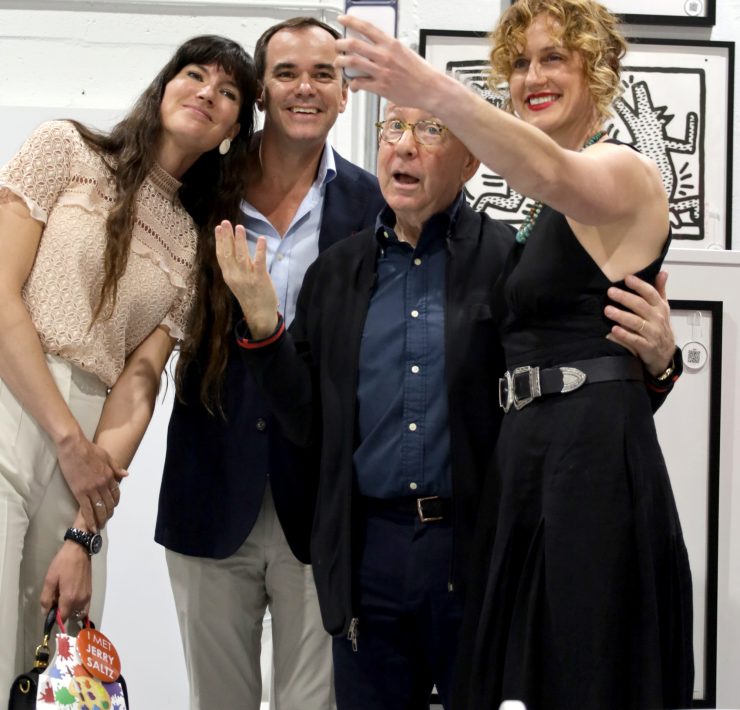
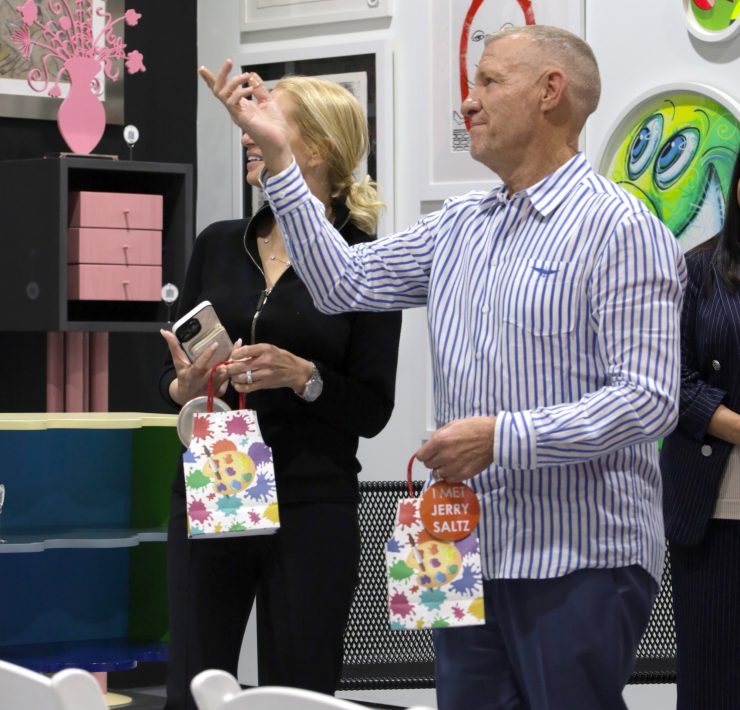
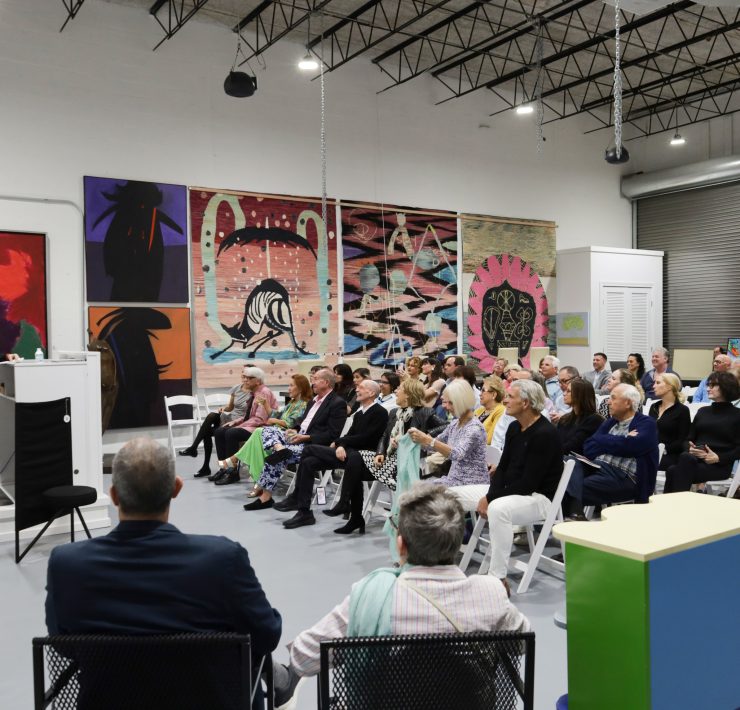
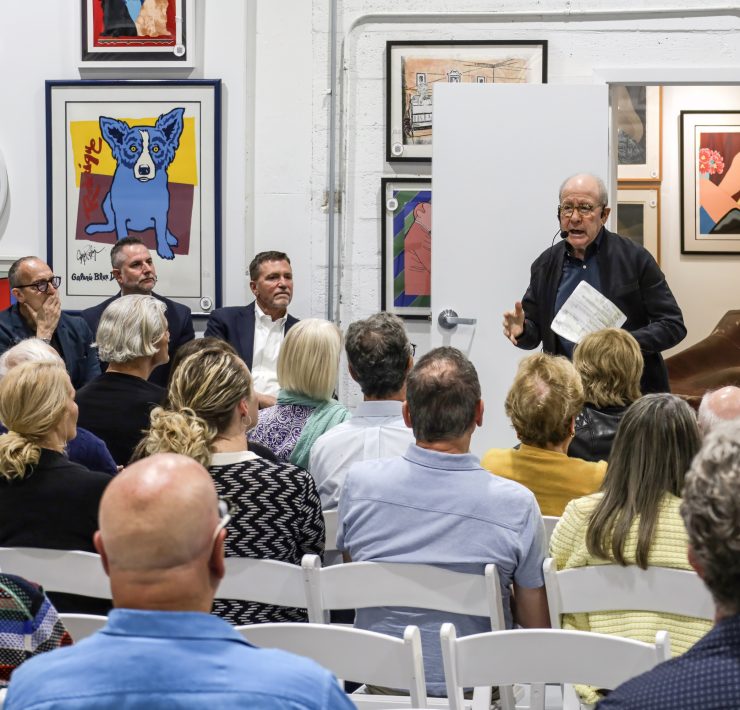
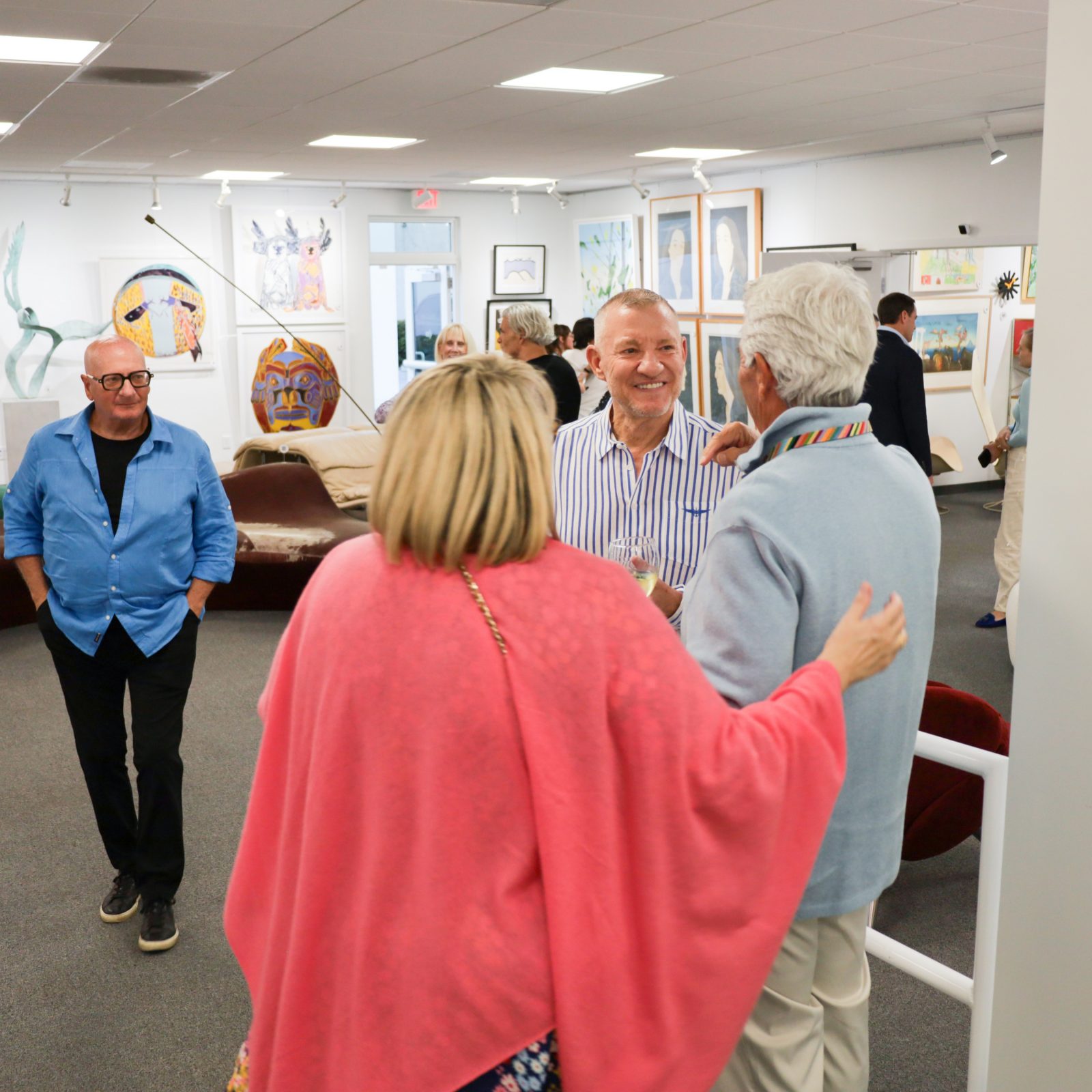
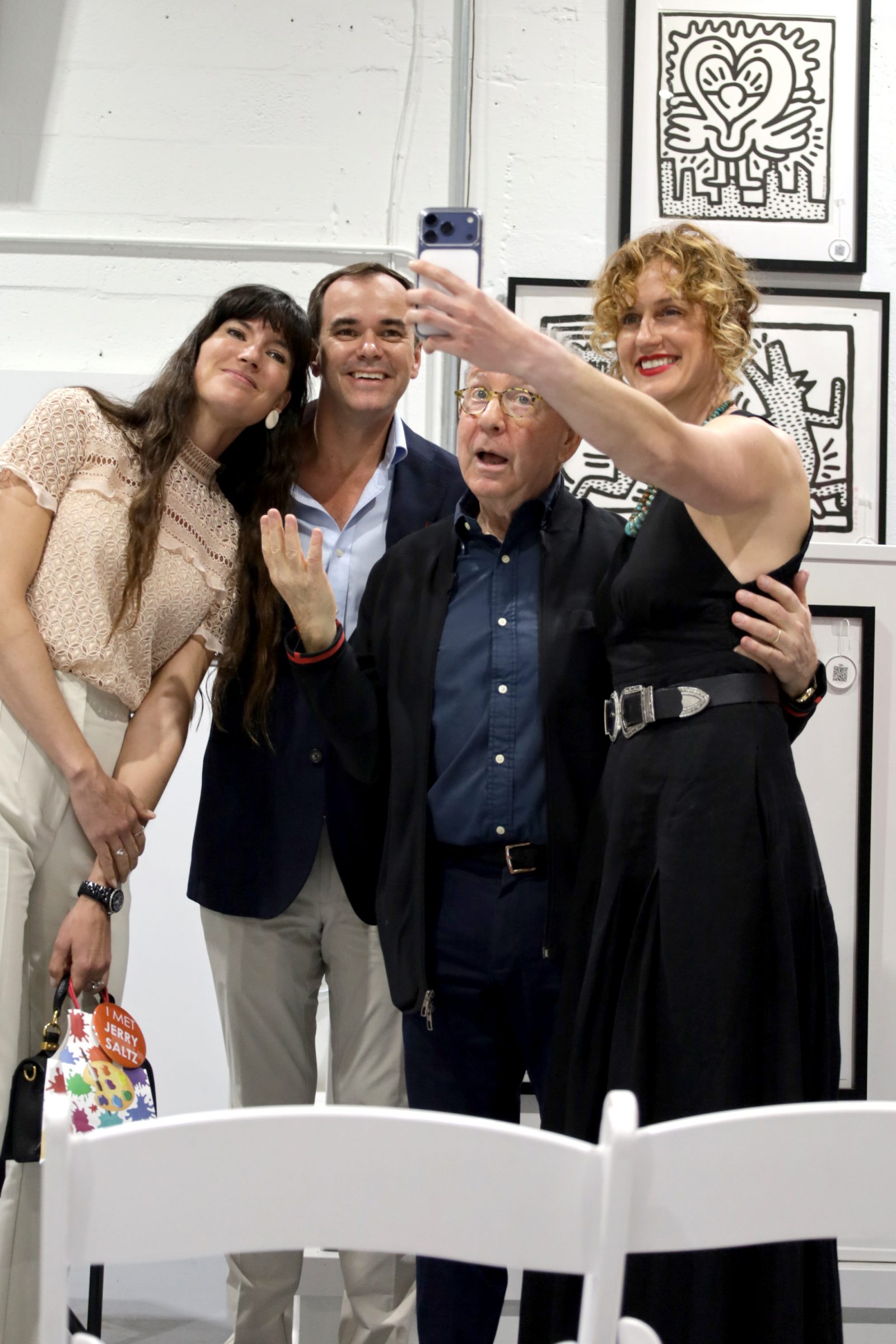
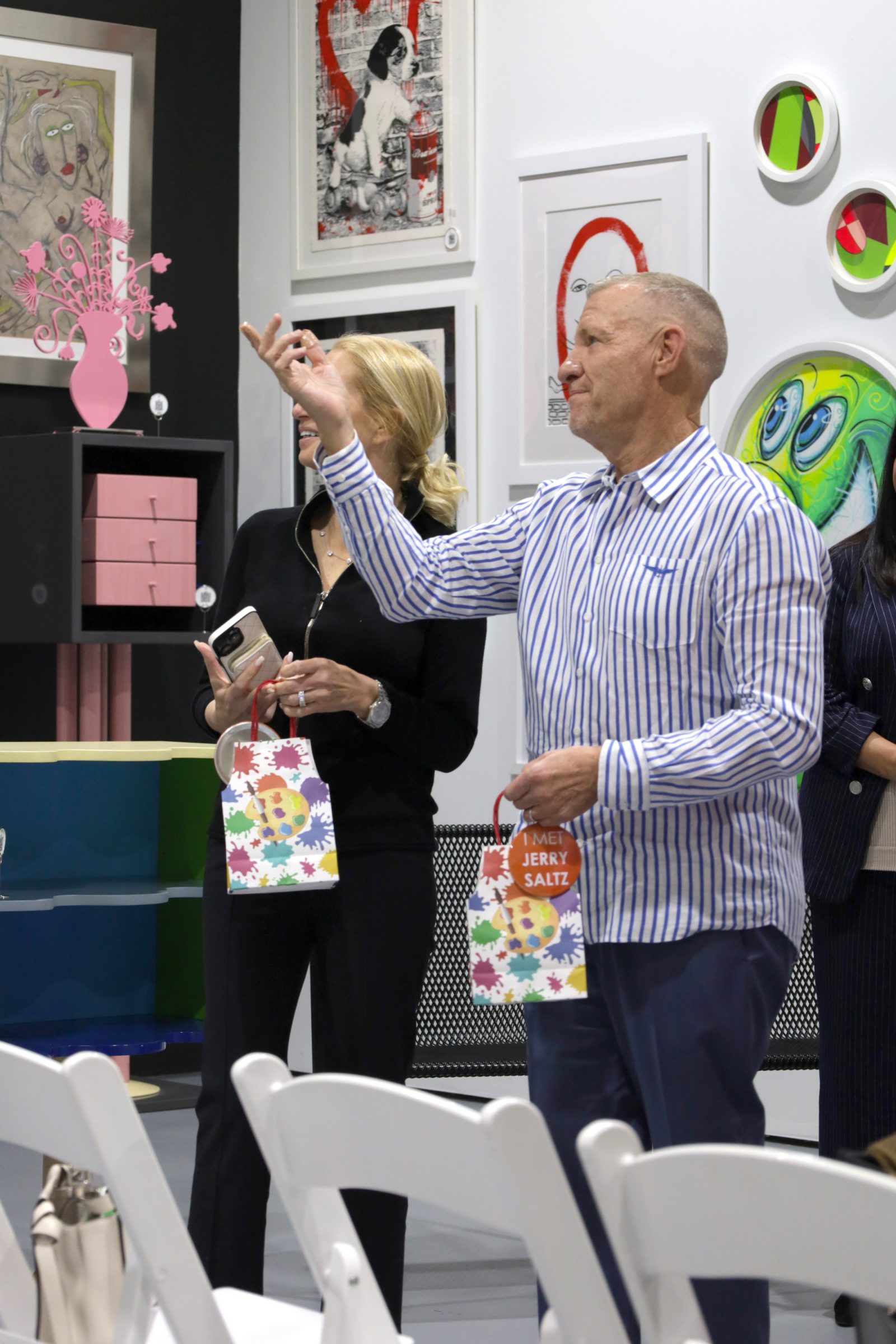
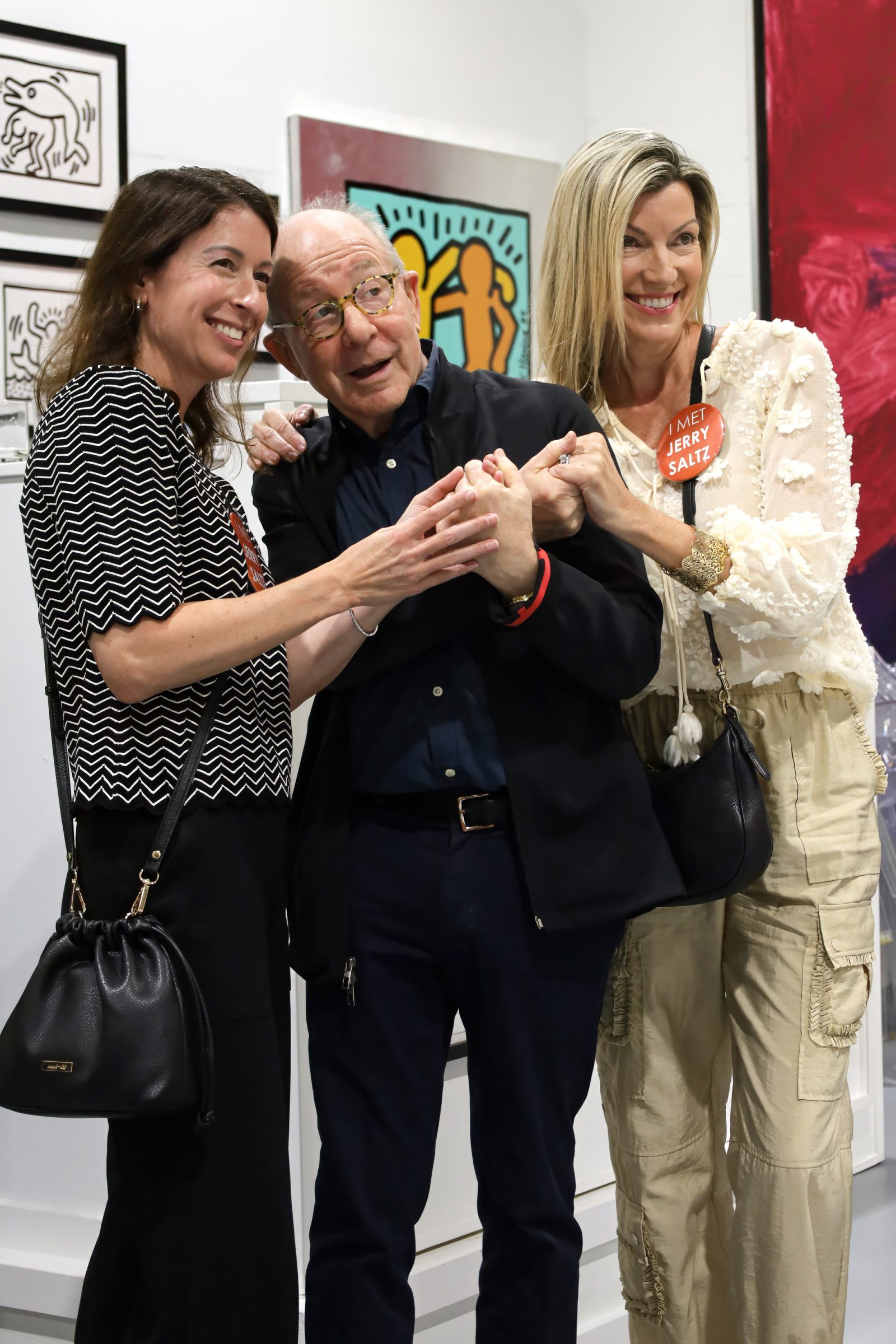
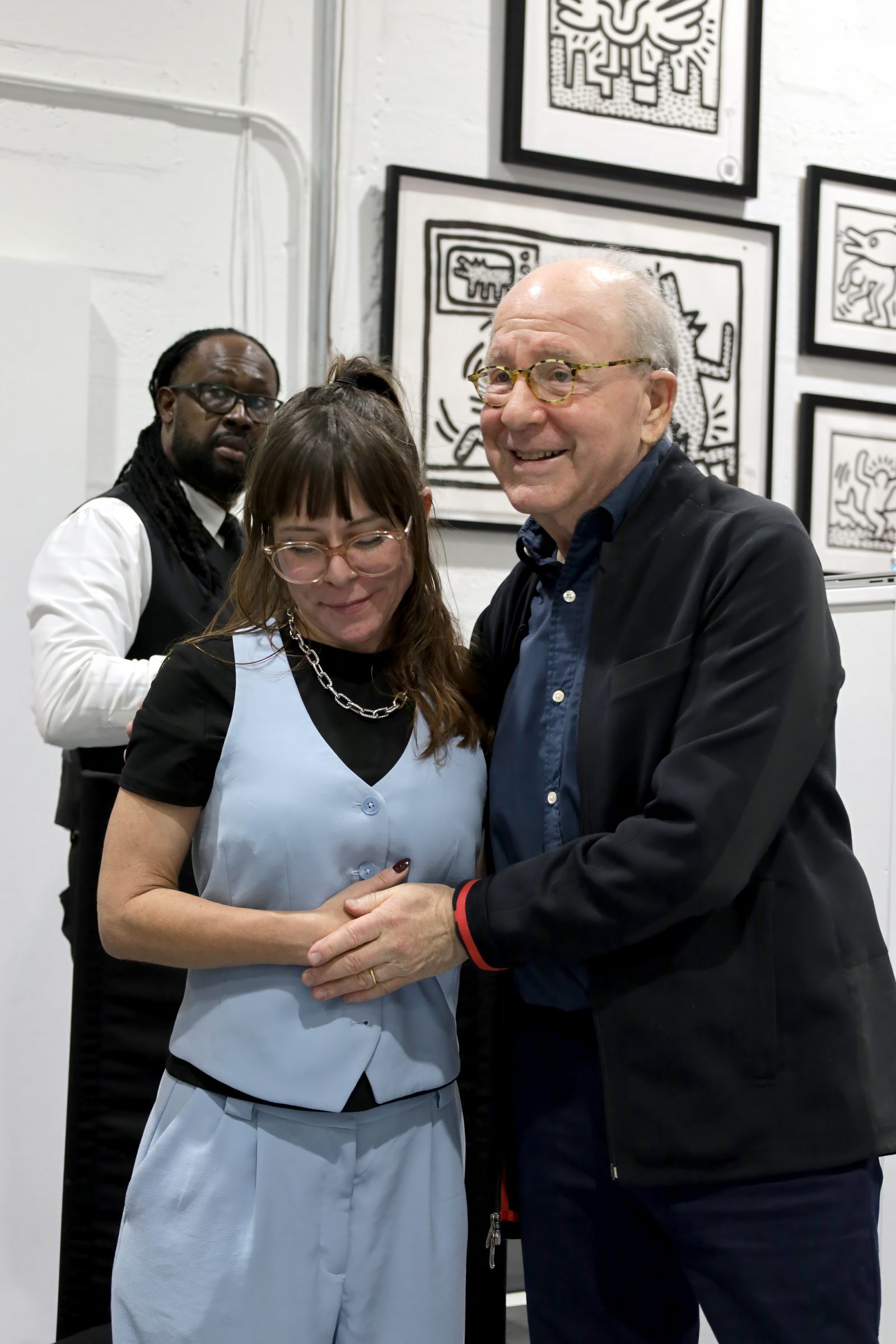
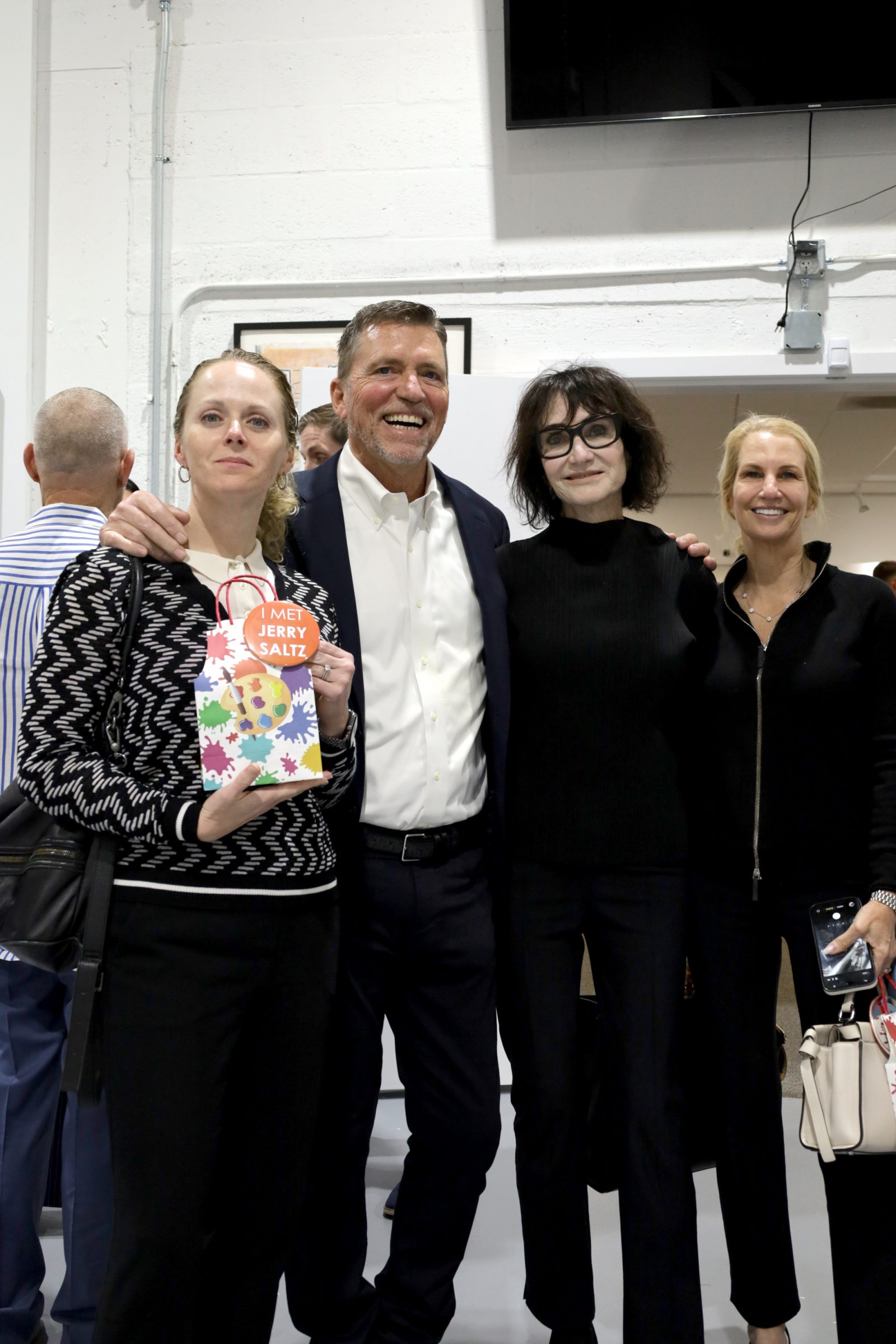
The occasion was a private talk by Jerry Saltz, Pulitzer Prize winning art critic for New York Magazine, delivered not in a museum auditorium or university lecture hall, but inside a working auction house surrounded by works by Andy Warhol, Joan Miro, Marc Chagall, and two paintings by Willem de Kooning
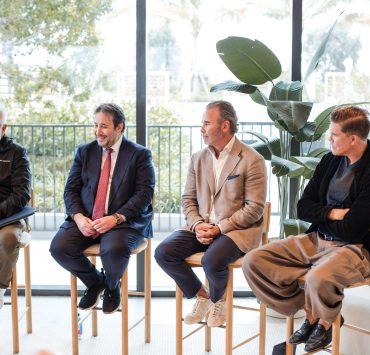
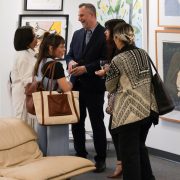
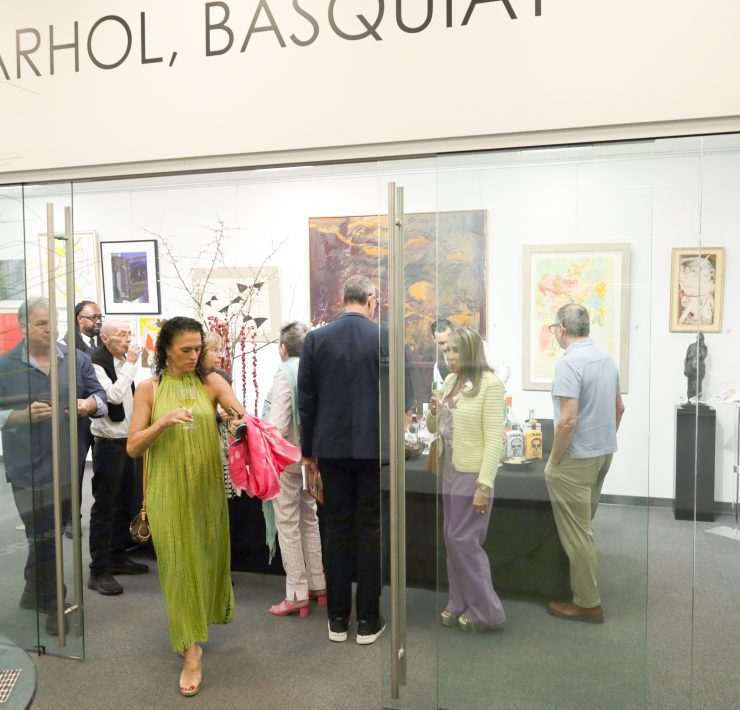
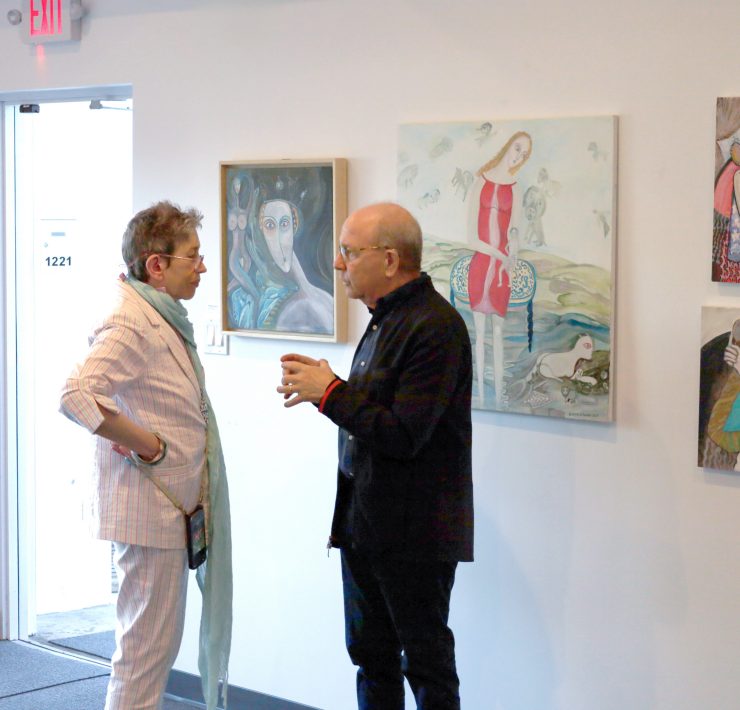
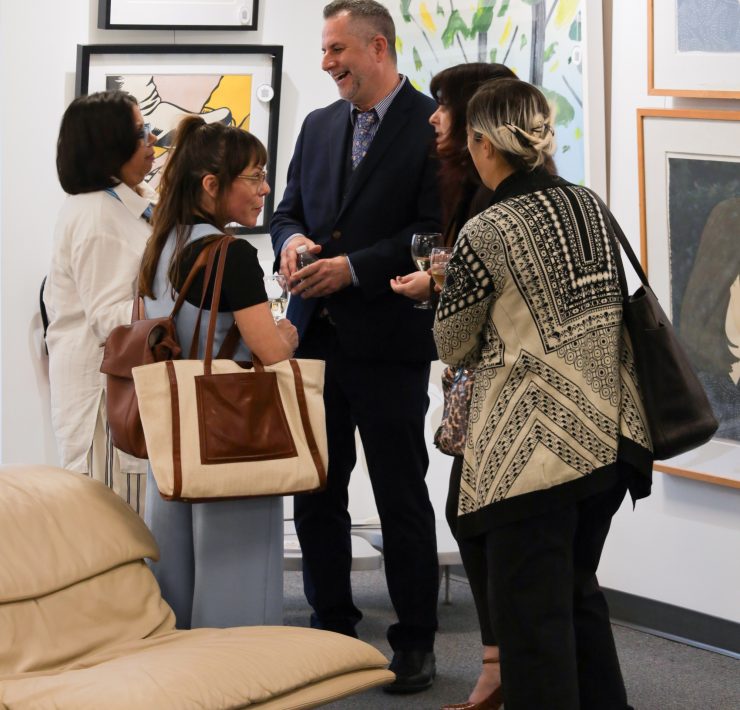
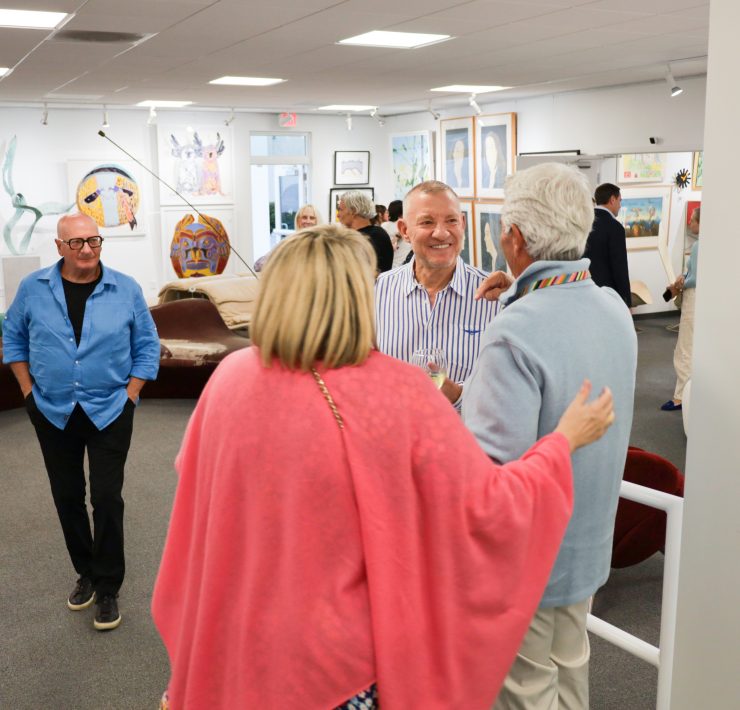
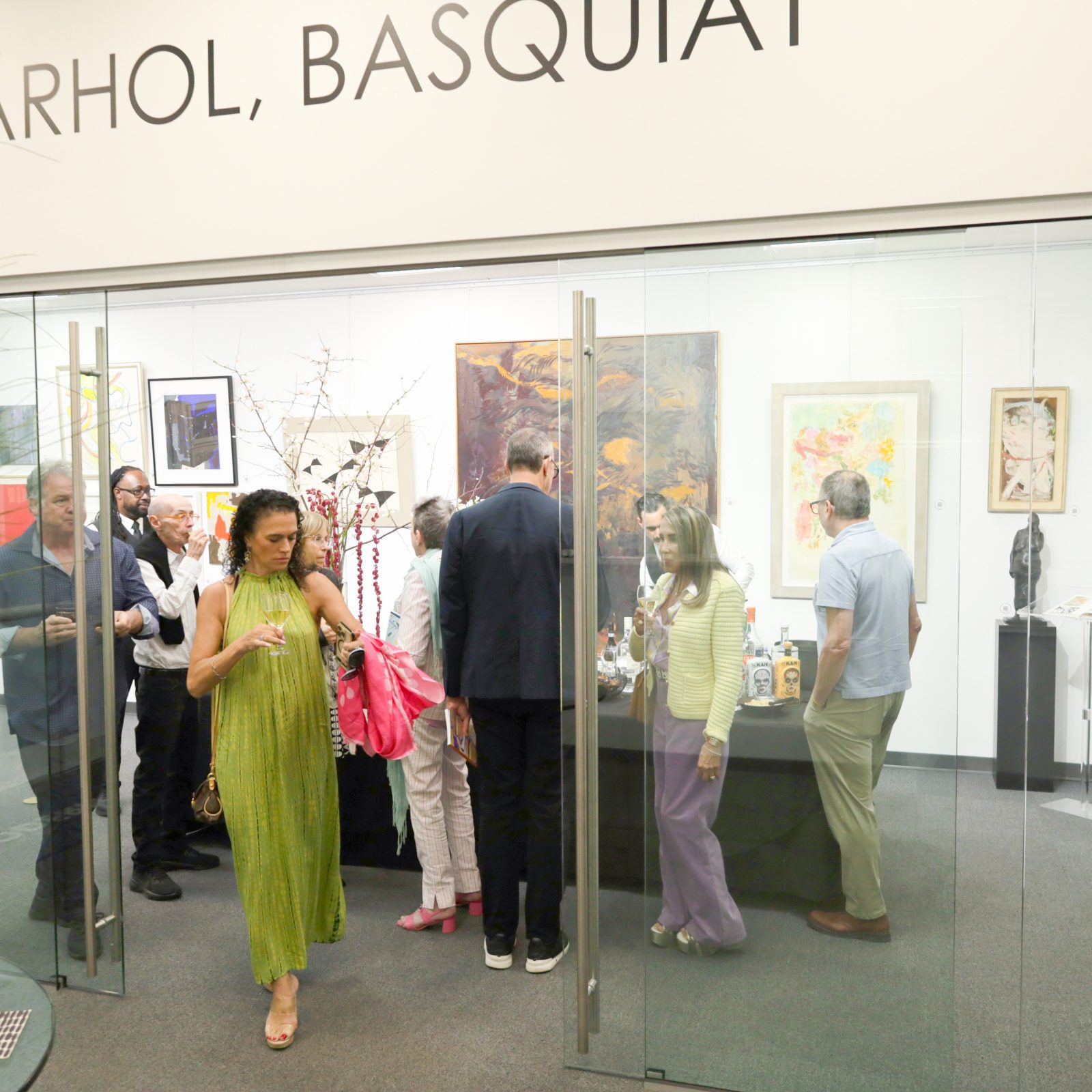
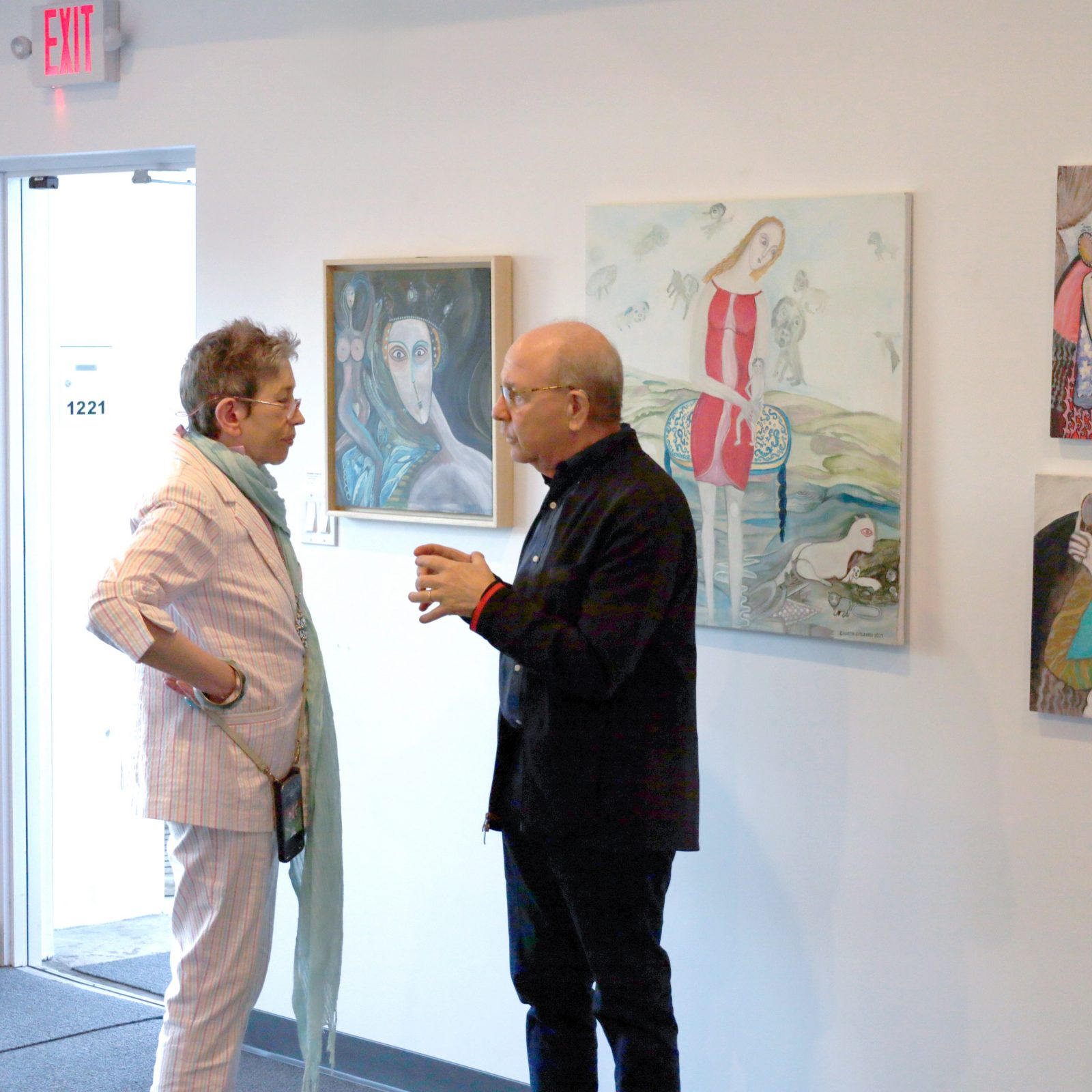
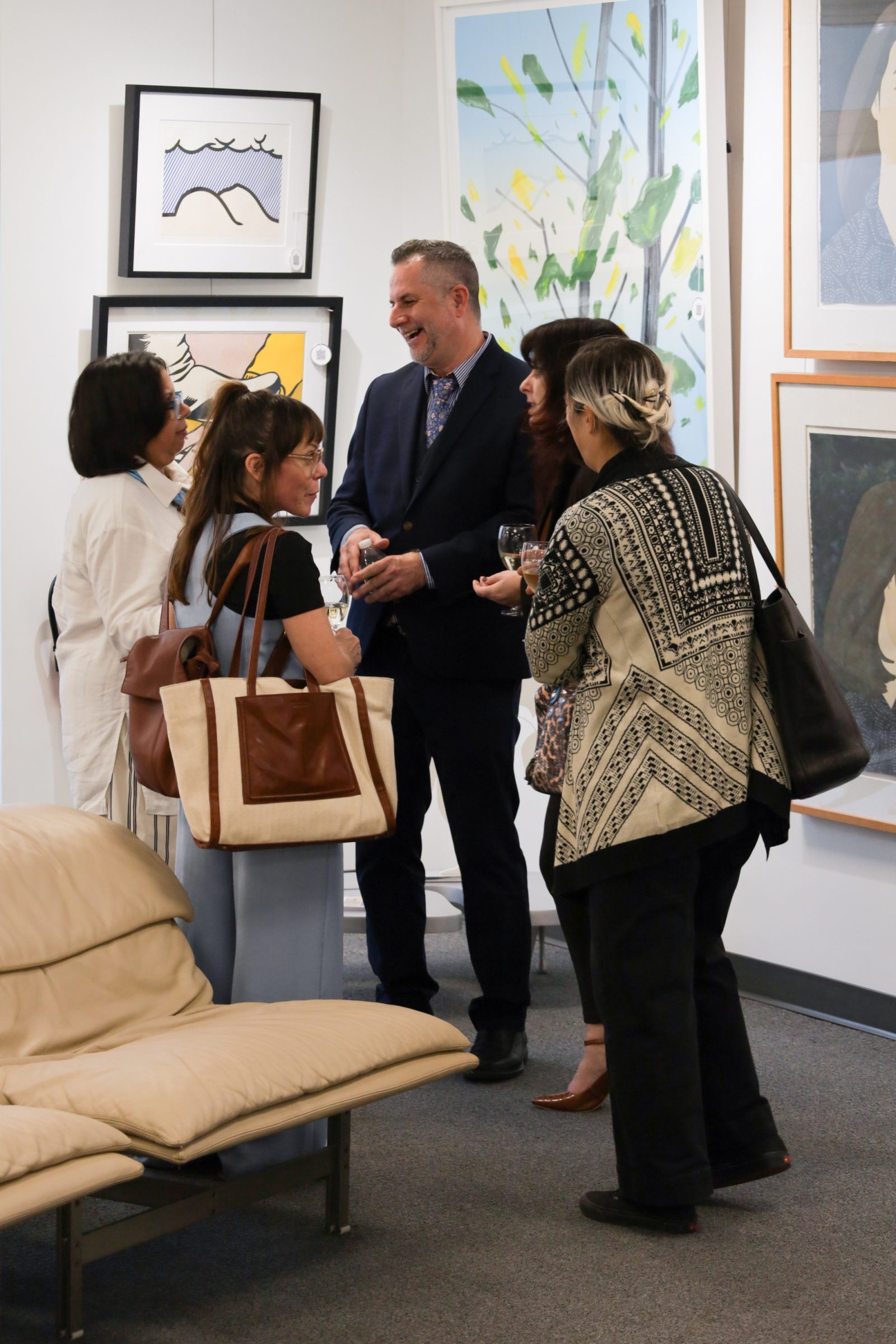
What made the evening remarkable was not simply Saltz’s presence, though his candid, unscripted style. It was the room itself. Museum professionals from the Boca Raton Museum of Art stood alongside directors affiliated with the Florida Atlantic University Galleries. Leadership connected to the NSU Art Museum Fort Lauderdale conversed freely with administrators from the Norton Museum of Art. Prominent gallery owners and art dealers, many of whom have increasingly engaged with Palm Beach Modern Auctions’ program, were present alongside major collectors, design patrons, artists, and investors. These groups, who often operate in parallel lanes of the art market, found themselves in direct conversation rather than across institutional or commercial divides.
That these worlds converged inside Palm Beach Modern Auctions gave the evening its quiet significance. Auction houses are often perceived as purely transactional spaces, engines of commerce where value is measured by hammer prices and buyer premiums. Yet this gathering revealed a different function. The space became neutral ground where institutional leaders, market makers, and collectors could occupy the same terrain without hierarchy. Saltz spoke openly about art, power, relevance, and the tension between institutions and the market while standing in front of the very forces that animate those tensions.
“We wanted the evening to be about conversation, not commerce,” said Wade Terwilliger, President of Palm Beach Modern Auctions. “If the art market is evolving, it is important that institutions, dealers, and collectors can share space and speak openly. That is how cultural ecosystems strengthen.”
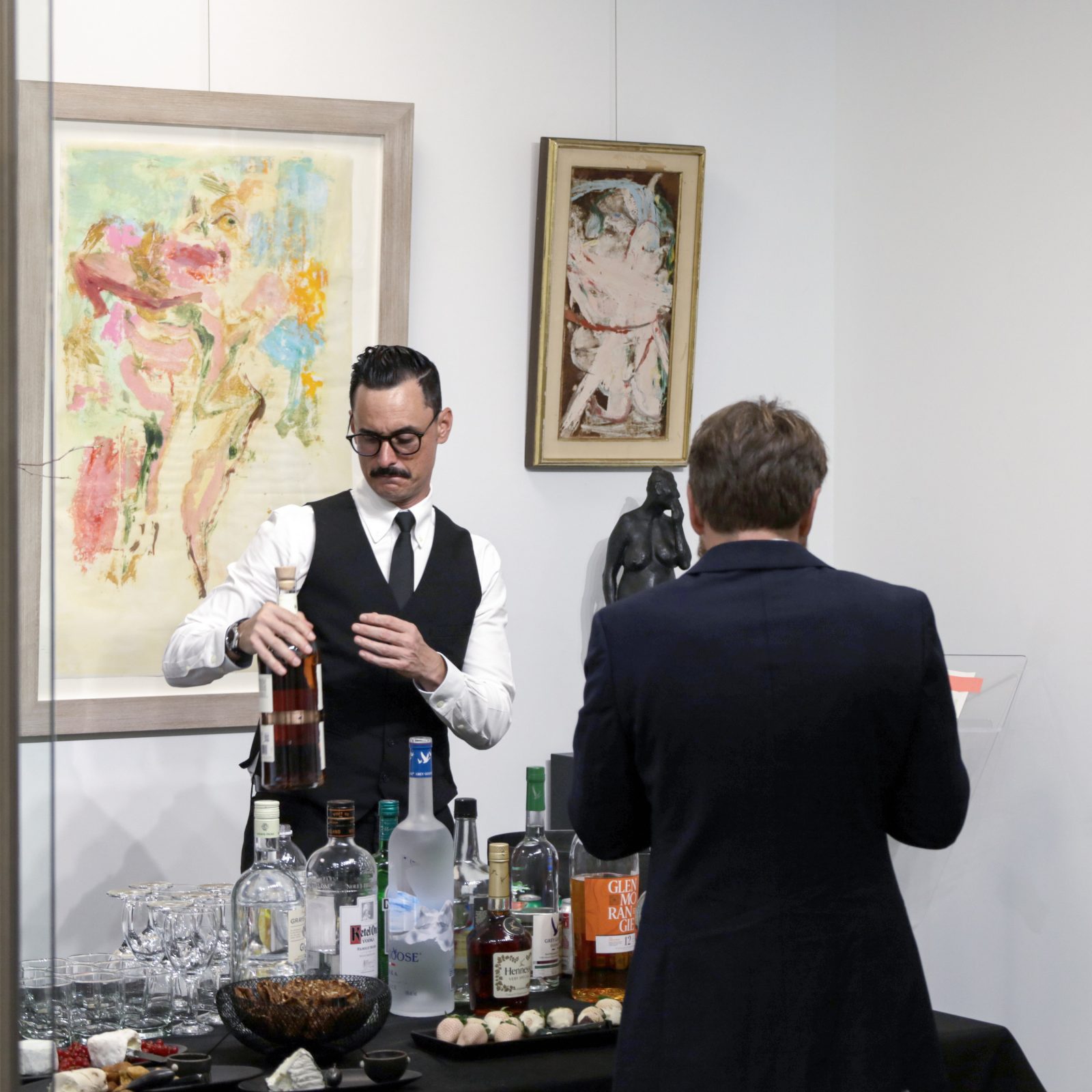
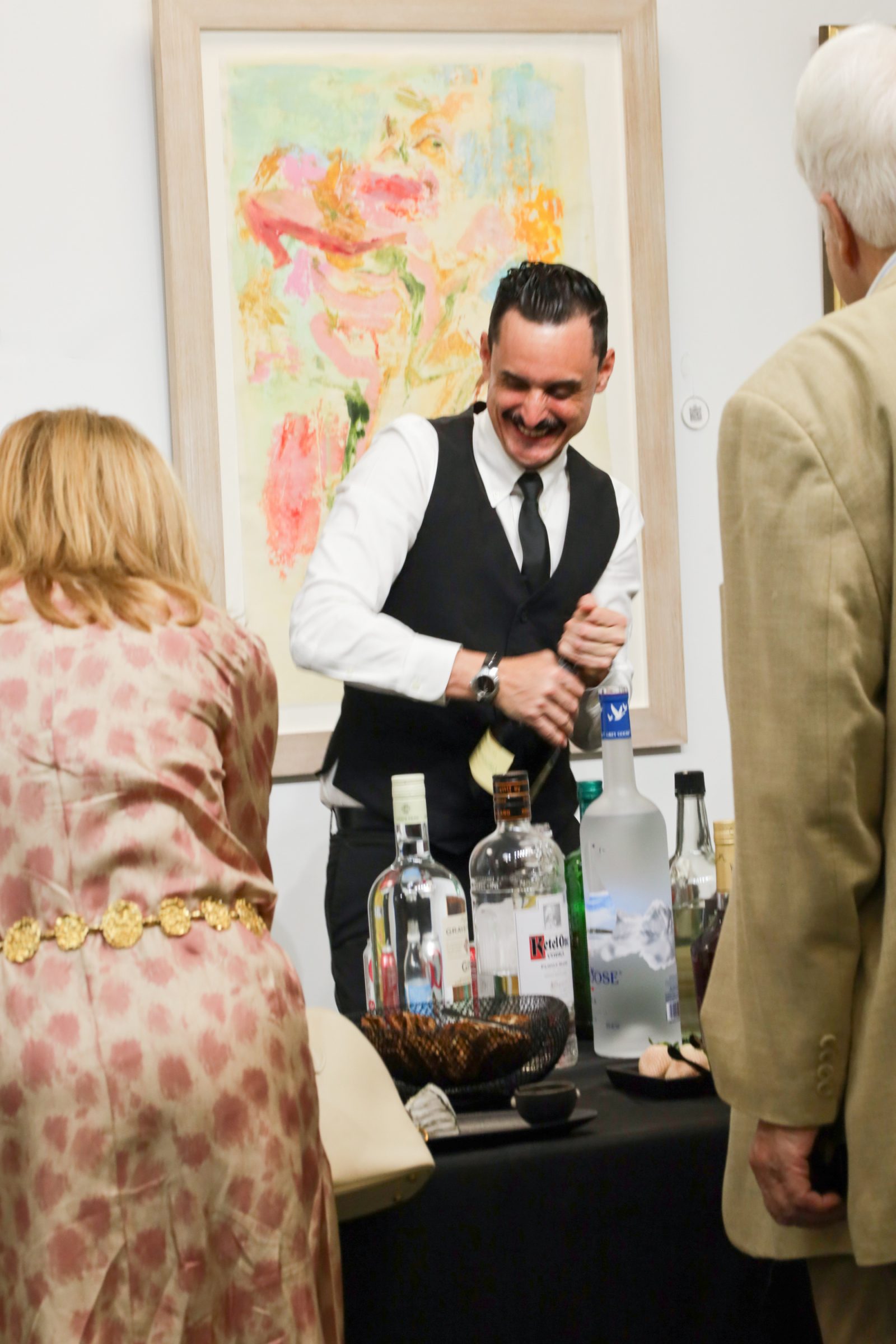
The timing added another layer. As Palm Beach Modern Auctions prepares for its February 21, 2026 Modern + Contemporary Art, Design & Luxury sale, the event served as a preview without feeling promotional. Guests viewed prints and paintings by Warhol, Miro, Chagall, and de Kooning, not merely as consignments, but as participants in a broader dialogue about artistic legacy and cultural value. The critic’s words lingered as collectors examined brushwork and provenance, shifting the energy from transaction to conversation.
For South Florida, the symbolism was not lost. Palm Beach County has quietly emerged as one of the most concentrated centers of wealth in the United States, and with that concentration has come a corresponding shift in cultural gravity. Conversations once assumed to belong exclusively to New York, London, or Los Angeles are increasingly taking place in South Florida. The evening with Saltz felt like evidence of an evolution already underway.
Palm Beach has long been a winter refuge for collectors, but events like this suggest a maturation beyond seasonal luxury. By convening institutional leadership, collectors, and critics, Palm Beach Modern Auctions demonstrated that a regional auction house can serve as both marketplace and cultural catalyst. Hosting a critic of Saltz’s stature signaled confidence not only in the depth of the local audience, but in the strength of the broader market community supporting it.
As the February 21 auction approached, it was about demonstrating that the art world in South Florida has reached a point where the academic, institutional, and commercial spheres can gather candidly and constructively. In a landscape often defined by separation between scholarship and sales, that convergence felt rare.
For one night in Palm Beach, everyone shared the same room and the same conversation. In doing so, they revealed that the strength of a cultural community lies not only in the works it displays, but in the dialogue it is willing to host.