Where to Stay, Dine and Explore Sustainably During Earth Month



 +2
+2 Where to Stay, Dine and Explore Sustainably During Earth Month

Where to Stay, Dine and Explore Sustainably During Earth Month
Where to Stay, Dine and Explore Sustainably During Earth Month
Where to Stay, Dine and Explore Sustainably During Earth Month
Where to Stay, Dine and Explore Sustainably During Earth Month
As Earth Month approaches in April, many travelers are looking for ways to make their trips more thoughtful without sacrificing comfort or style. Across the country, hotels, resorts and restaurants are finding innovative ways to reduce environmental impact while enhancing the guest experience. From LEED-certified properties and conservation partnerships to hyper-local dining and waste-reduction initiatives, these destinations show that sustainability and hospitality can go hand in hand. Here are several places leading the way in eco-conscious travel and dining.
LEED-Certified Hospitality in Washington, D.C.
Sustainability is embedded into the design at Arlo Washington DC, a LEED-registered property located near Penn Quarter and Capitol Hill. The hotel features a 6,000-square-foot green roof with a 12,000-gallon cistern that captures and reuses rainwater, helping reduce energy costs by more than 25 percent. Native plant selections and a drip irrigation system cut potable water use by 57 percent, while Energy Star-certified kitchen equipment improves overall efficiency.
The hotel also incorporated the historic 1888 Harrison Apartments into its design, preserving one of the district’s oldest surviving apartment buildings while reducing construction waste and material consumption. With a walkability score of 91 and convenient bike facilities, the property encourages guests to explore the city without relying on a car.
Eco-Friendly Hotels Across South Florida
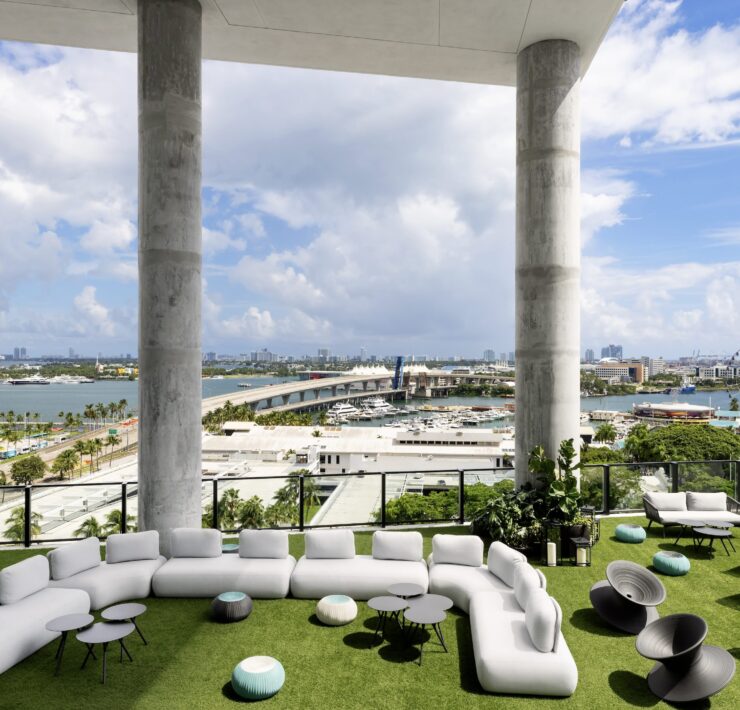
In Miami’s financial district, Novotel Miami Brickell blends modern comfort with environmentally responsible practices. Recognized by Green Key’s eco-rating program, the hotel operates as a single-use plastic–free property and has implemented a range of initiatives designed to minimize environmental impact while maintaining a high-end guest experience.
Over in Miami Beach, Cadillac Hotel & Beach Club, Autograph Collection continues to advance sustainability through its EarthView program. The property was the first hotel in Miami Beach to achieve LEED certification after its renovation and has introduced numerous initiatives since, including LED lighting, smart thermostats and recycled-content key cards in guest rooms. Recently, the hotel achieved the highest possible Green Lodging Designation (three palms) from the Florida Green Lodging Program, allowing it to host government business. In 2024, it was recognized for its sustainability leadership by Green Key Global, a green certification run by AHLA (American Hotel & Lodging Association) and HAC (Hotel Association of Canada). The hotel also participated in Clean the World, a social organization that distributes recycled soap and hygiene products that have been donated by hotels and resorts. Other green initiatives include property-wide recycling, branded bicycles, a turtle conservation program and PATH water bottles in every room.
Nearby, The Gates Hotel South Beach has eliminated single-use plastics as part of Miami-Dade County’s Plastic-Free 305 program. Guests are encouraged to reduce waste through reusable water bottles and hydration stations placed throughout the property.
Downtown Miami’s The Elser Hotel & Residences integrates sustainability into its residential-style accommodations through energy-efficient appliances, LED lighting and WaterSense-certified plumbing fixtures. The property’s innovative elevator technology improves energy performance, while its food and beverage venues utilize biodegradable packaging and composting practices.
In Miami Beach’s South of Fifth neighborhood, the Registry Collection hotel, Balfour Miami Beach, focuses on small details that collectively reduce environmental impact. Bamboo key cards replace traditional plastic, refillable vegan bath products by The Botanist & The Chemist minimize waste and bicycles are available for guests who want to explore the neighborhood in a low-impact way. The hotel’s on-site restaurant, Laurel, also emphasizes seasonal ingredients and locally inspired Mediterranean flavors.
Meanwhile in Key West, The Marker Key West Harbor Resort continues to demonstrate its commitment to ocean conservation, an effort recently recognized with a Three-Key rating from the Green Key Eco-Rating Program, through partnerships with organizations like Reef Relief, sustainable sun care brand Stream2Sea and Plogging the Keys. The resort has installed public sunscreen dispensers featuring reef-safe sunblock and regularly sponsors community cleanups that remove debris from local waterways. The resort will continue this effort by sponsoring an upcoming Plogging the Keys cleanup on June 5, 2026, scheduled between World Reef Day (June 1) and World Ocean Day (June 8), and will further support the initiative by hosting another Plogging the Keys community cleanup on December 4, inviting guests and locals alike to help protect the island’s natural beauty. Every Thursday, The Marker also hosts a complimentary Eco Manatee Harbor Tour led by a marine biologist who offers guests an educational look at local manatees, harbor ecosystems and sustainability efforts.
Sustainability on Florida’s Emerald Coast
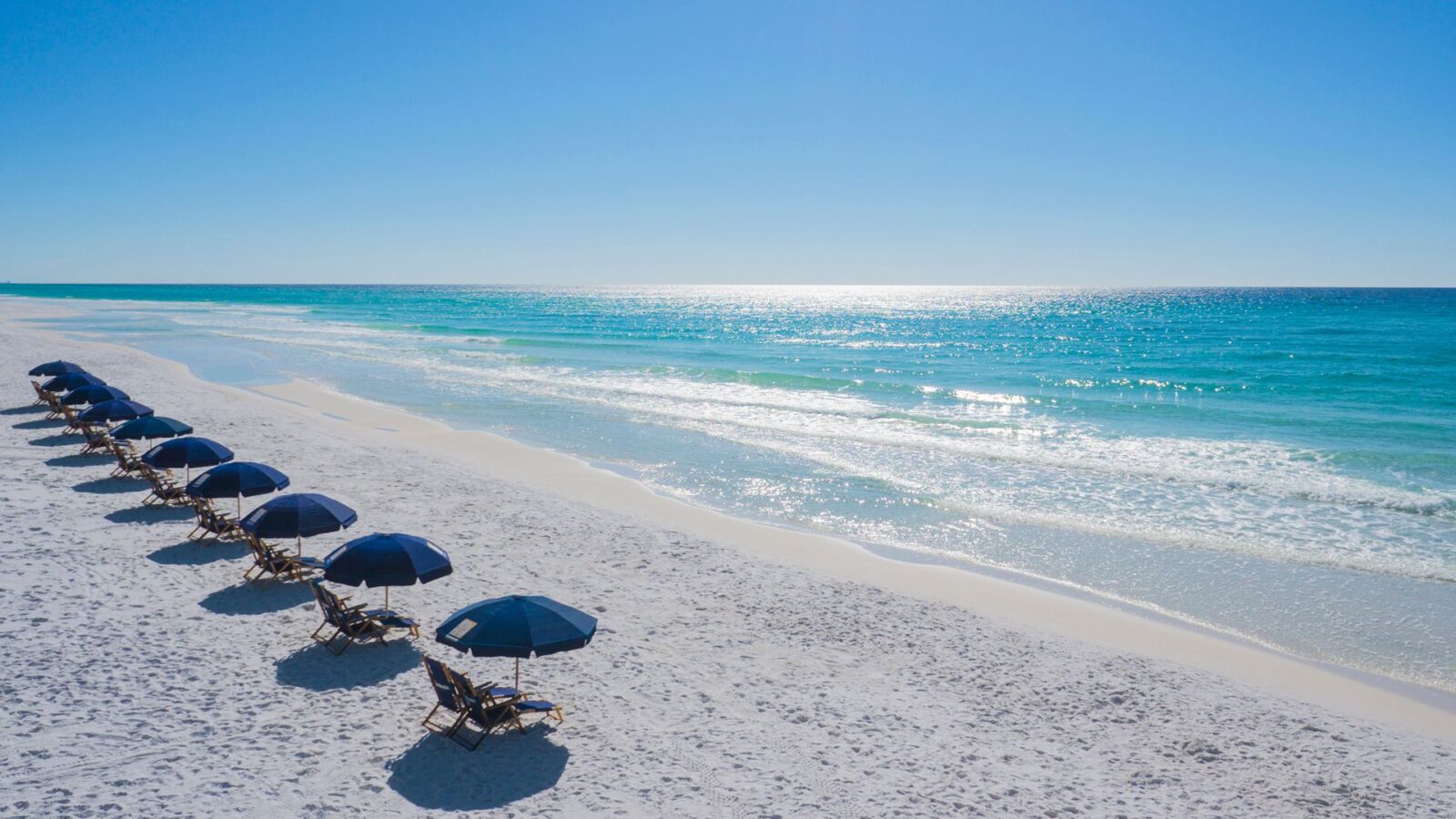
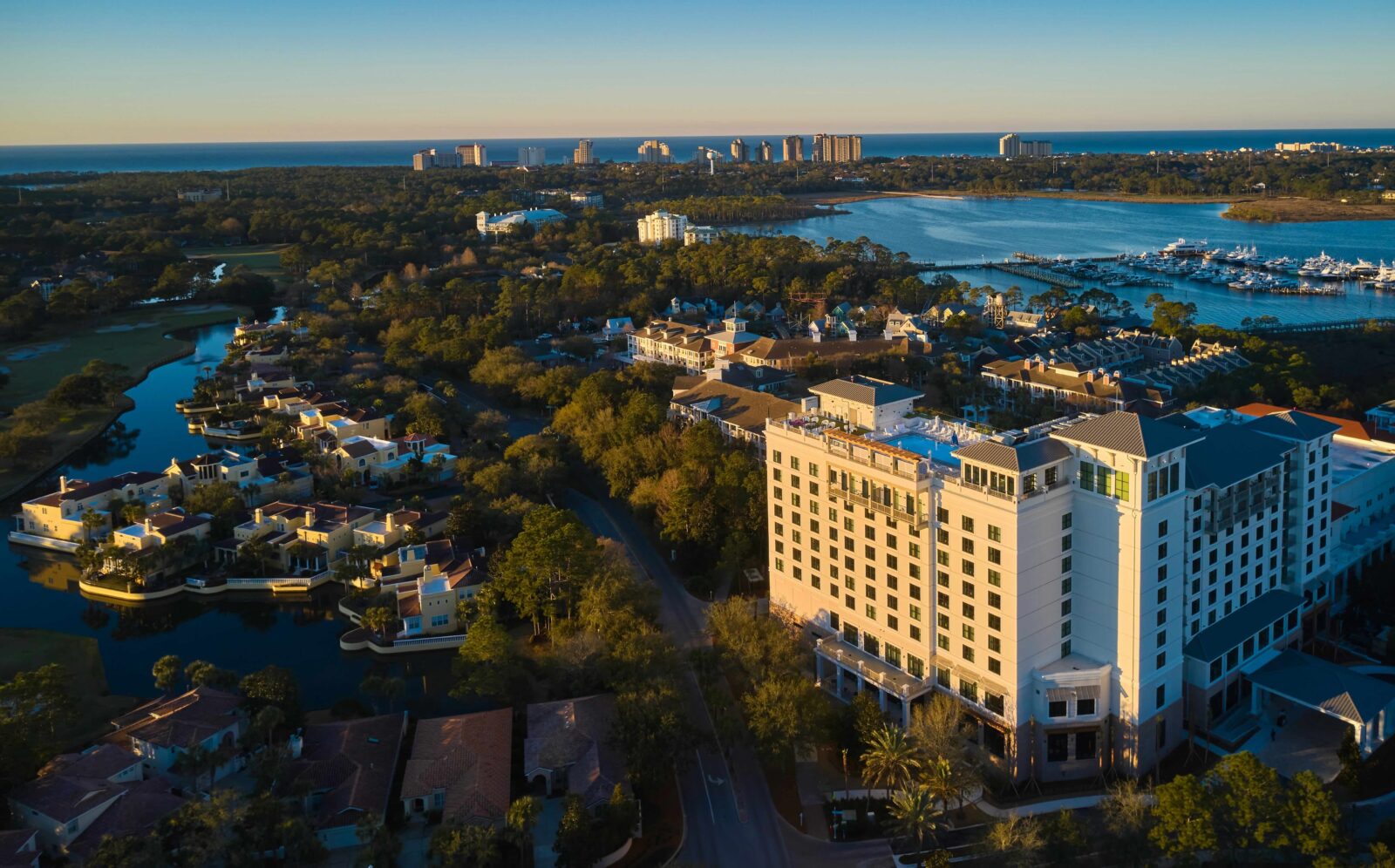
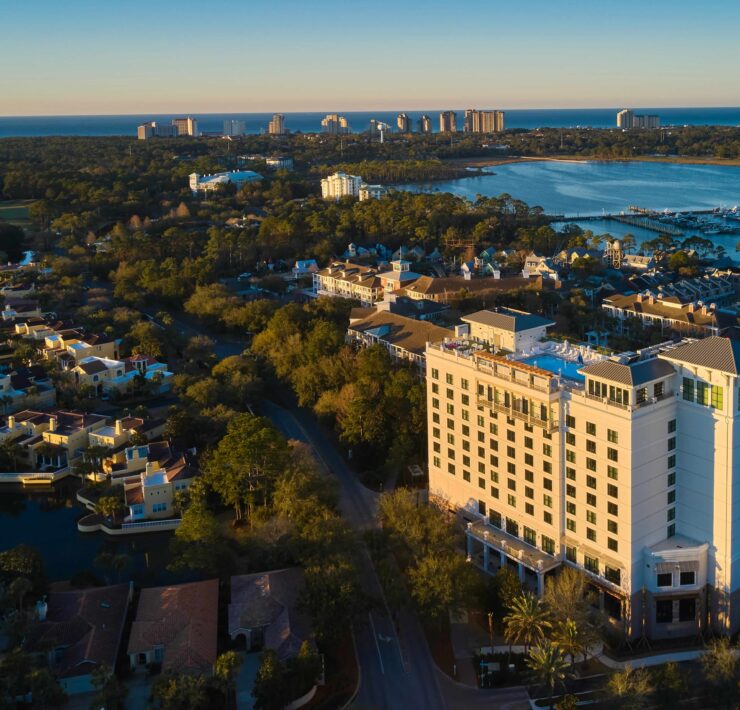
Along Florida’s Emerald Coast, Hotel Effie Sandestin has been recognized with Green Key certification for its commitment to environmentally responsible operations. The luxury hotel incorporates LED lighting, water bottle refill stations, linen reuse programs and electric vehicle charging stations. Responsible sourcing and the elimination of single-use plastics are also central to the property’s sustainability initiatives.
Guests staying within Sandestin Golf and Beach Resort can also enjoy the destination’s “carefree, car-free” philosophy. The walkable, bike-friendly resort connects accommodations, beaches, nature trails and recreation areas, allowing visitors to explore the property without needing a vehicle.
Coastal Sustainability on Florida’s Gulf Coast
At SkyBeach Resort in St. Petersburg, sustainability takes on a creative twist through the property’s reusable tumbler program. Guests can purchase branded tumblers to use throughout their stay, reducing disposable cup waste while receiving discounted cocktail refills. The resort’s on-site café, Paradeco Coffee Roasters, reinforces this commitment with responsibly sourced beans and zero-emission roasting technology.
Sustainable Stays That Give Back
Arlo Hotels recently announced a partnership with regenerative travel platform Kind Traveler, bringing its Every Stay Gives Back™ (ESGB) program to major cities across the country. Through the program, Arlo Wynwood donates $0.50 per night, per guest, from every stay to Pelican Harbor Seabird Station, a local nonprofit that rescues, rehabilitates and releases injured wildlife while advancing conservation education in South Florida.
Guests can learn more about the program through Kind Traveler’s Positive Impact Dashboard on-property digital dashboards that show how their stays contribute to wildlife rehabilitation efforts.
In Chicago, The Ritz-Carlton, Chicago has introduced an innovative program that transforms food waste into compost. The Ritz-Carlton, Chicago’s management, Sage Hospitality Group, partnered with BioGreen360, the leading innovator in distributing food waste management solutions, to roll out the first phase of the collaboration. Meeting and event guests can even take home small bags of compost for their gardens, turning leftover food into a valuable natural resource.
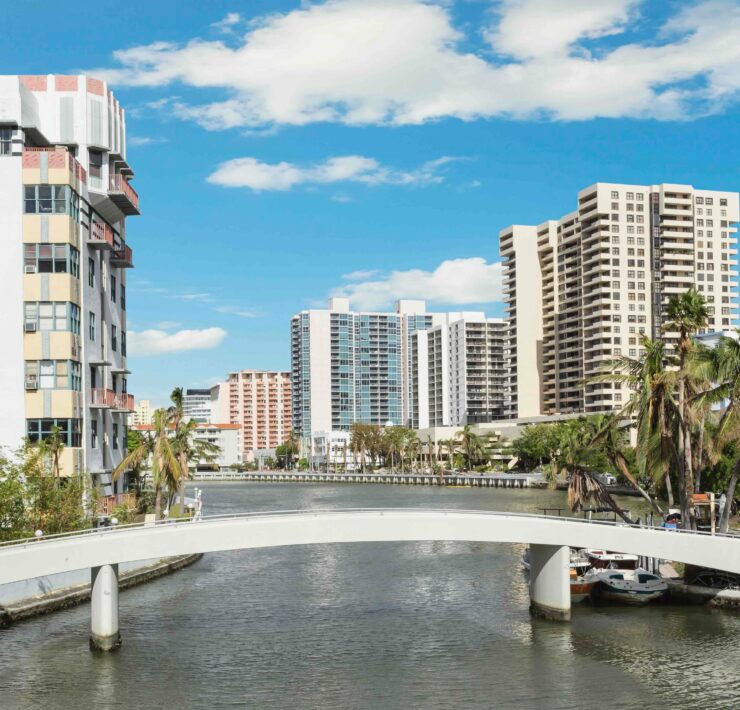
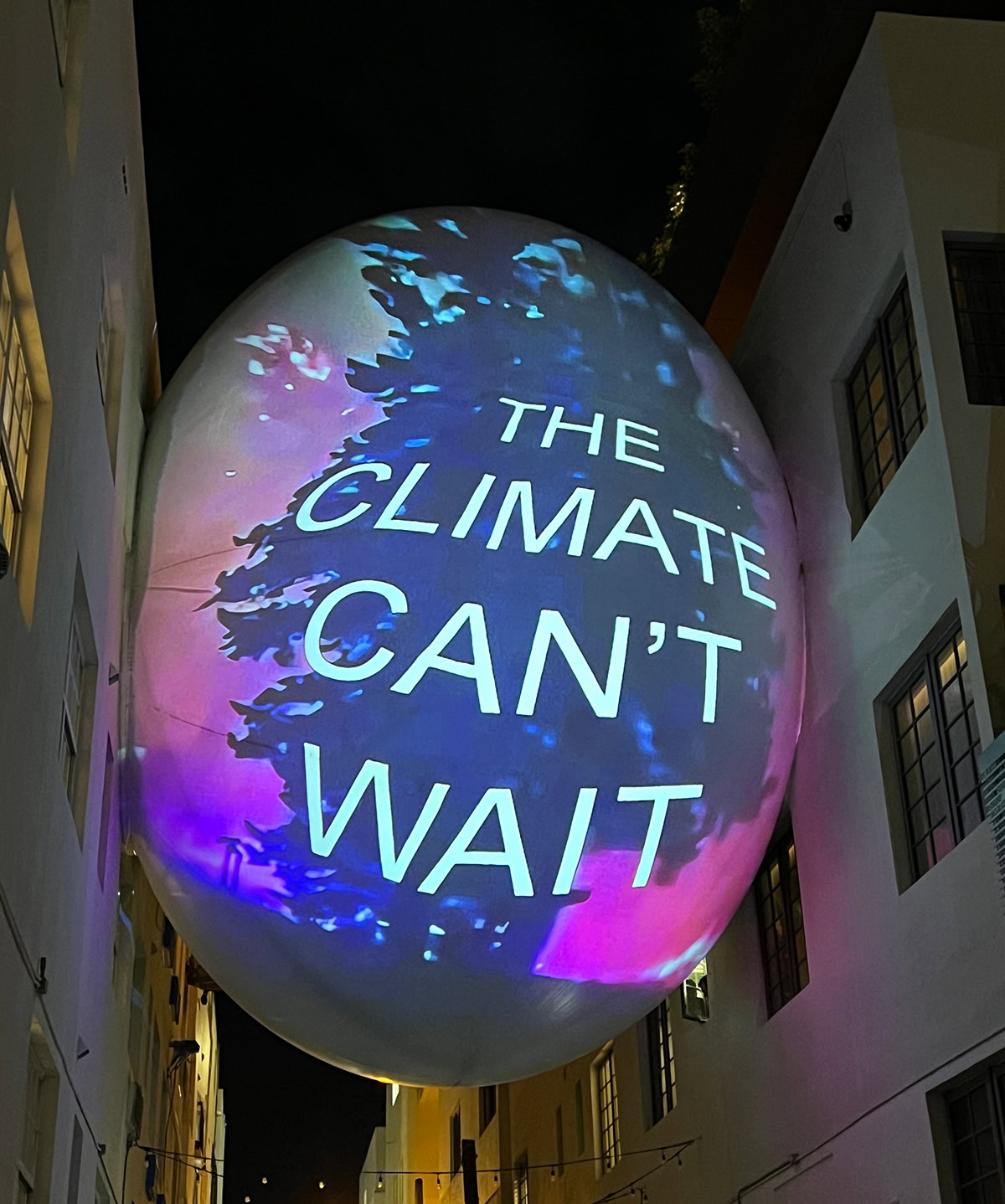
Meanwhile, Miami Beach’s The Betsy merges art and environmental awareness through “The Betsy Orb,” an architectural bridge that doubles as a projection space for ecological art installations by local transmedia artist dNASAb. One recent piece explores the intersection of technology, marine debris and South Florida’s fragile ecosystems.
Eco-Conscious Dining Experiences
Sustainability is also influencing the restaurant scene across South Florida.
In West Palm Beach, aioli Sour Dough Bakery & Café, a Michelin Bib Gourmand recipient, embraces a hyper-local approach to sourcing. Nearly everything on the menu is made in-house, from naturally fermented sourdough bread to pastries and syrups. Chef Michael Hackman’s sourdough starter, affectionately known as “Mother,” has been cultivated for more than a decade and serves as the centerpiece of both the café’s menu and its popular sourdough workshops.
In Fort Lauderdale, Casa Sensei combines Latin American and Pan-Asian flavors with a unique eco-friendly dining experience. Guests can reserve a private dinner cruise on one of the restaurant’s Riverfront Gondola Tours’, eco-friendly and electric-powered boats that seat up to six people, that glide along the city’s historic waterways, offering views of waterfront homes and local wildlife such as manatees and exotic birds.
Exploring Miami’s Natural Beauty
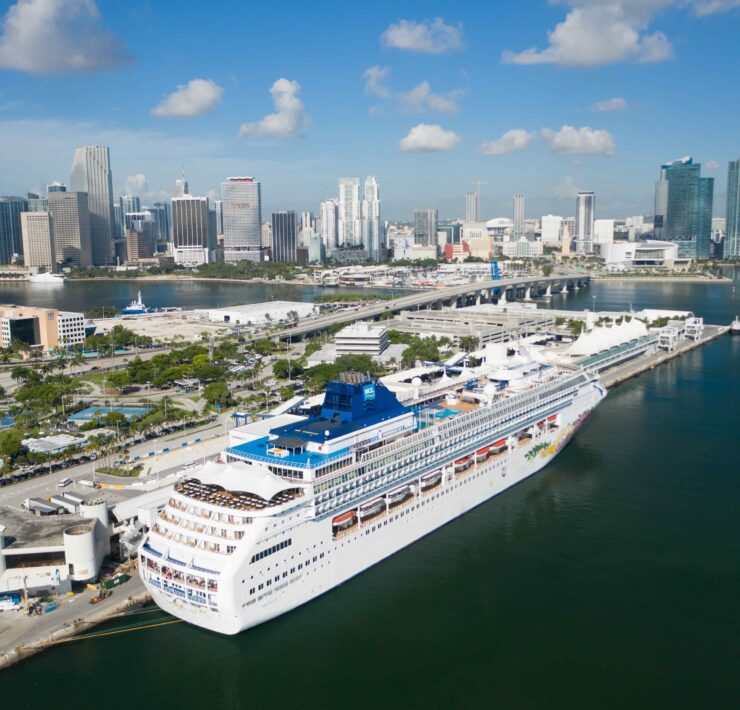
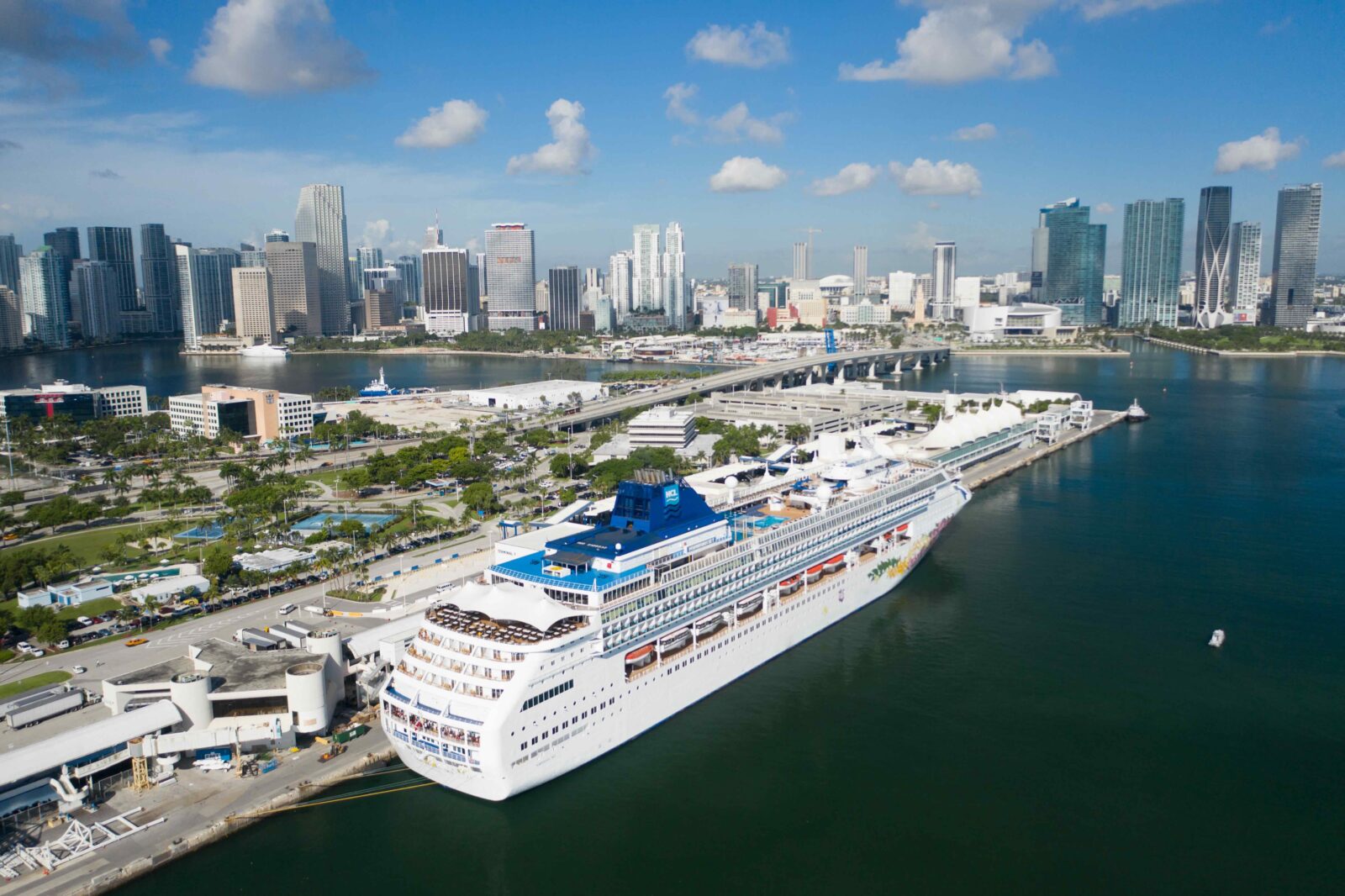
Greater Miami & Miami Beach puts sustainability at the forefront of the visitor experience. Adjacent to Miami International Airport, the largest floating solar array in the southeastern U.S. greets travelers from above, while LEED-certified terminals equipped with $45 million in energy-efficient lighting and upgraded HVAC and water systems reduce the airport’s carbon footprint. At PortMiami, up to three cruise ships at a time can plug into shore power, cutting emissions by as much as 98% while docked. The commitment extends across the hospitality and culinary sectors, with more than 30 Florida Green Lodging-designated hotels and several LEED-certified properties implementing measures such as reclaimed building materials, motion-controlled electricity, water-efficient fixtures and the elimination of single-use plastics. Restaurants across the region embrace farm-to-table sourcing and zero-waste composting practices. Outdoor experiences reinforce the connection to conservation, from kayaking in Biscayne National Park and exploring the Everglades to snorkeling REEFLINE, a newly opened seven-mile underwater sculpture park crafted from marine-grade, pH-neutral concrete to foster coral growth. Its inaugural installation, Leandro Erlich’s “Concrete Coral,” transforms submerged cars into a living reef, an example of how art, ecology and tourism intersect.
As travelers continue to prioritize sustainability, destinations like these are redefining what responsible tourism can look like. Through thoughtful design, innovative programs and community partnerships, they offer meaningful ways for visitors to experience the world while helping preserve it.