Nashville Emerges as Luxury Real Estate Capital of the South
 +2
+2 Nashville Emerges as Luxury Real Estate Capital of the South
Nashville Emerges as Luxury Real Estate Capital of the South
Nashville Emerges as Luxury Real Estate Capital of the South
Nashville Emerges as Luxury Real Estate Capital of the South
Nashville Emerges as Luxury Real Estate Capital of the South
For years, the conversation around luxury real estate has revolved around a familiar group of coastal markets like New York, Los Angeles, and Miami. Today, however, a new generation of affluent buyers is expanding that map, and few cities have emerged more quickly than Nashville.
Long known as the country’s “Music City,” Nashville is increasingly defining itself through a different lens. Billions of dollars in corporate investment, an influx of high-income residents, and the arrival of internationally recognized luxury brands are transforming the city into one of the country’s fastest-evolving residential markets.
The city’s rise is being fueled by a broader economic and cultural transformation. Major employers including Oracle, Amazon, AllianceBernstein, and Starbucks have deepened their presence in the city, bringing executives, entrepreneurs and investors who are reshaping expectations for housing, hospitality, and lifestyle. Luxury retail has followed and in recent years, Hermès, Dolce & Gabbana, Brunello Cucinelli, and Christian Louboutin have all opened in Tennessee, while brands like Zimmermann and Ralph Lauren are planning to open new brick and mortar locations in this year and in 2027, respectively.
As Nashville’s profile continues to rise, several factors are converging to accelerate its momentum. Nashville is expected to host its first Super Bowl in 2030, a milestone that will place it on an even larger international stage. At the same time, the city’s housing market offers a combination that has become increasingly rare: greater inventory, more negotiating leverage, and long-term growth potential, attracting buyers who see an opportunity to establish themselves before values mature even further.
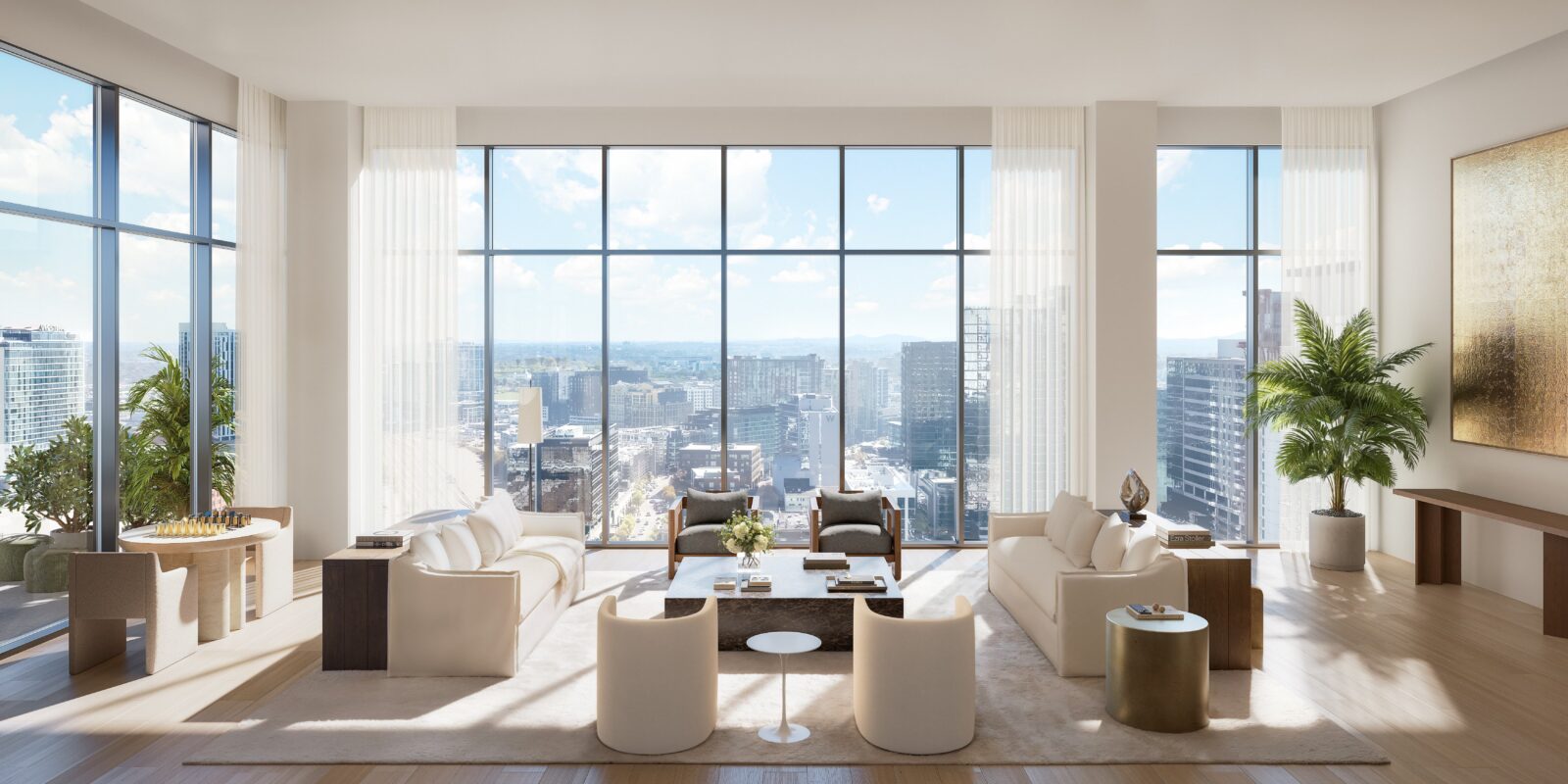
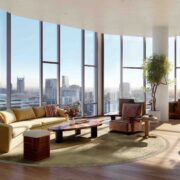
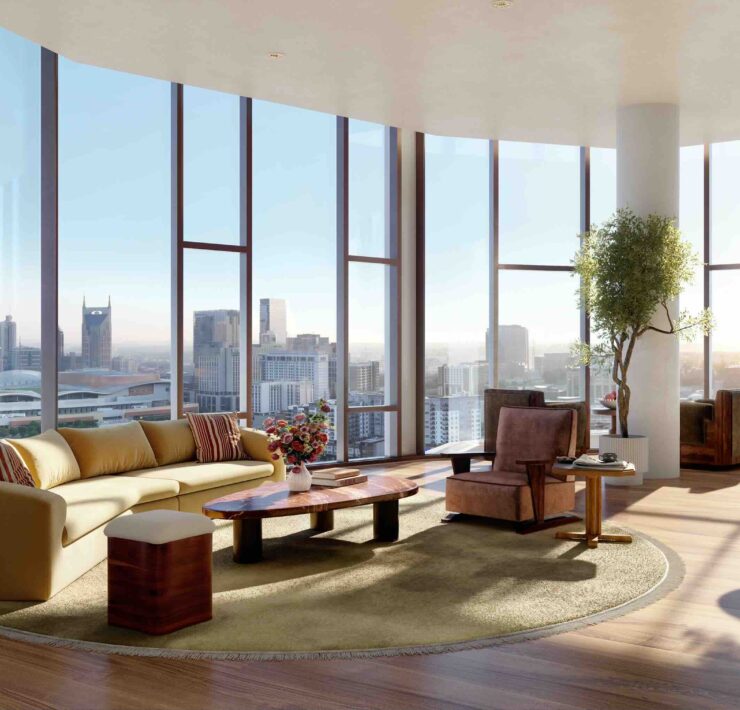
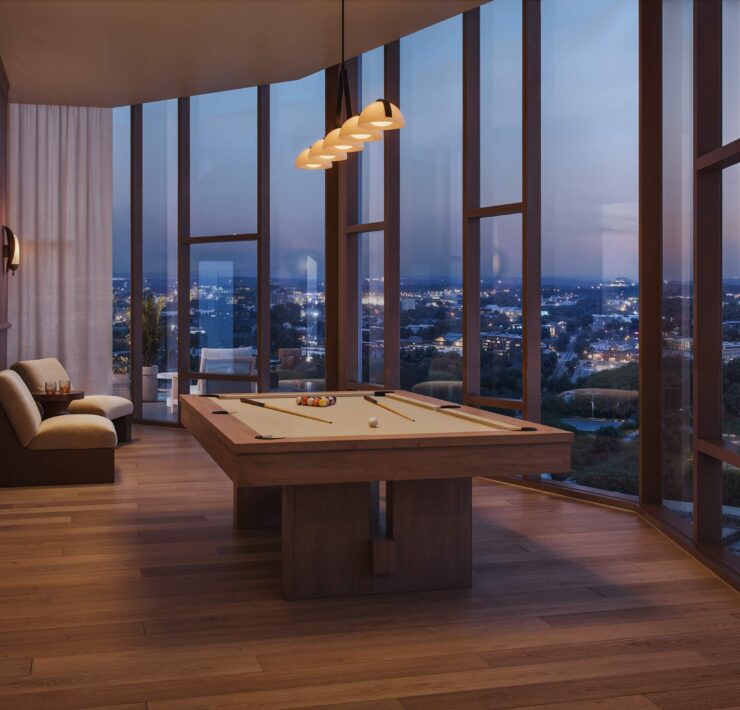
Perhaps nowhere is that evolution more visible than in the rise of branded residences. As buyers increasingly seek homes that deliver the service, design, and amenities of five-star hotels, hospitality brands are redefining luxury residential living in Nashville.
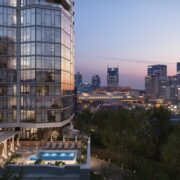
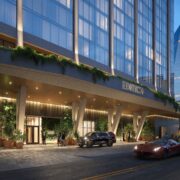
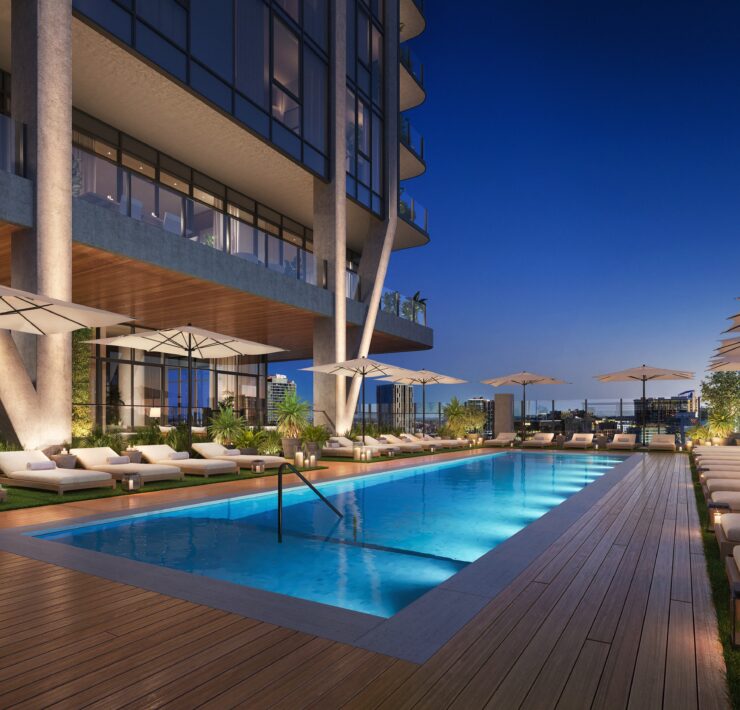
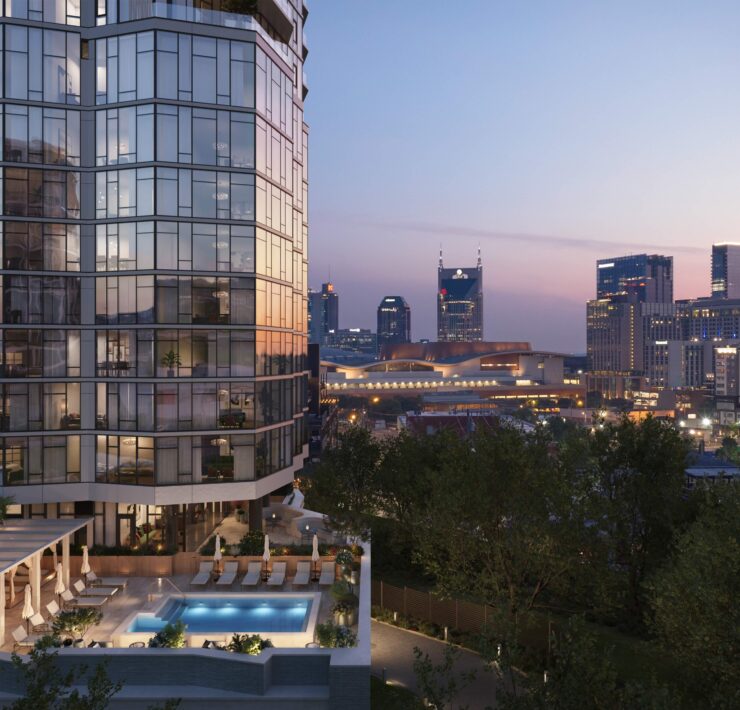
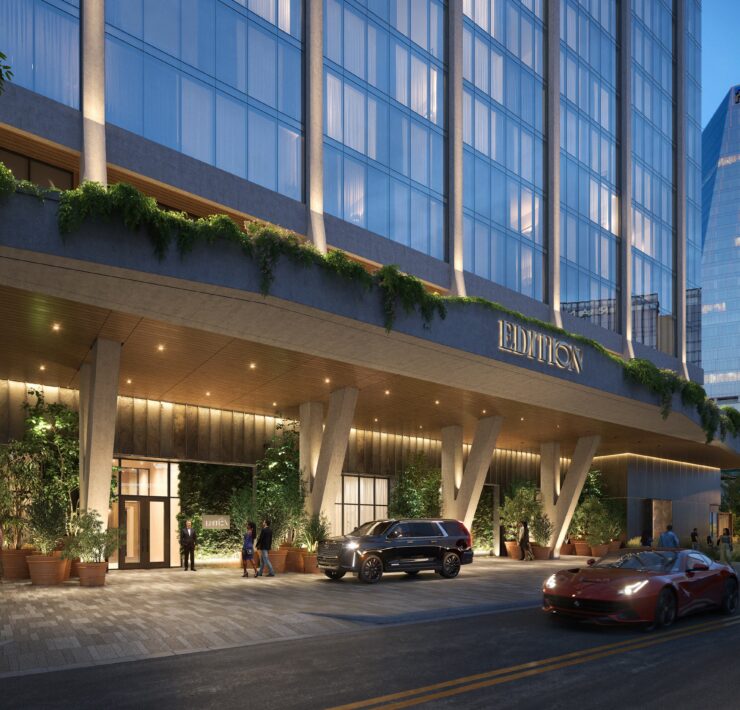
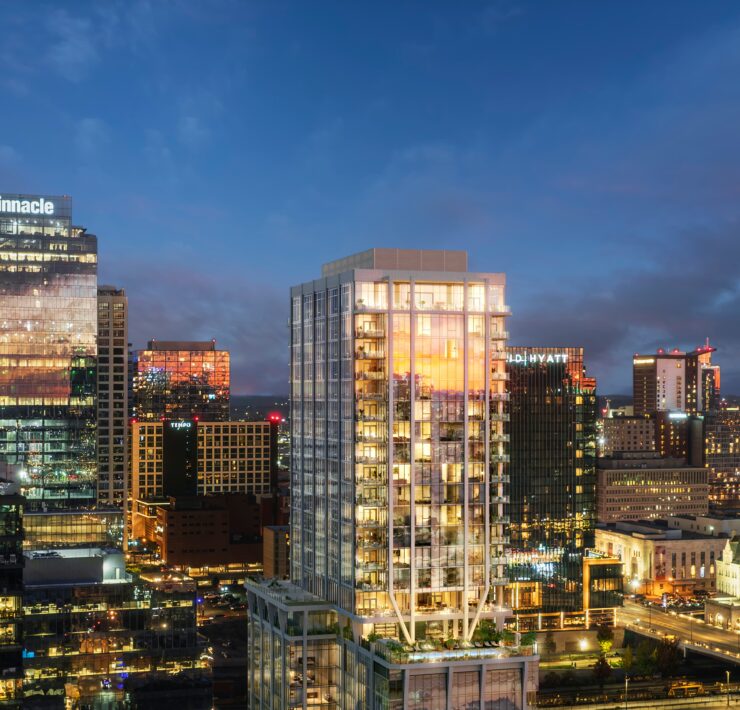
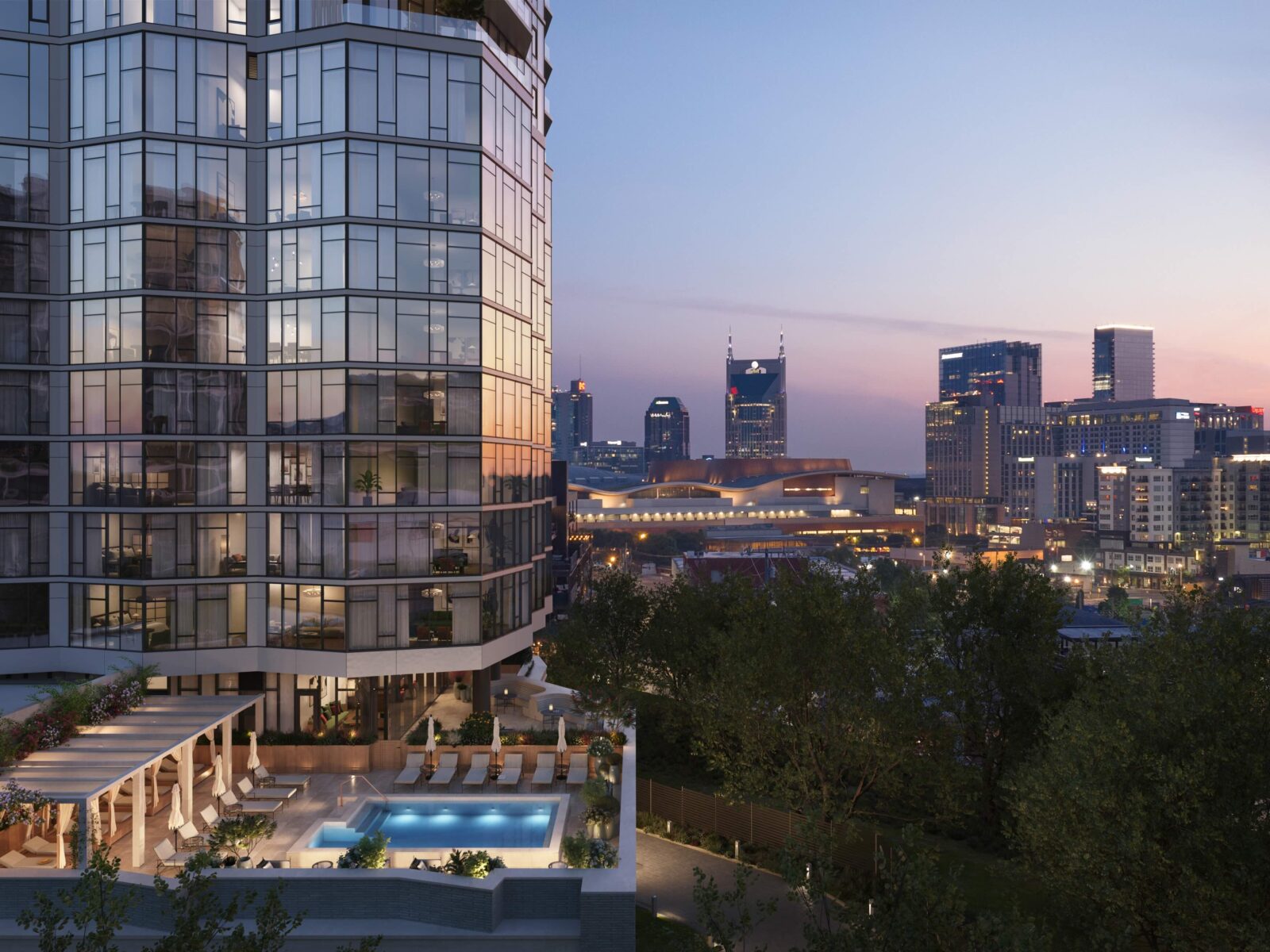
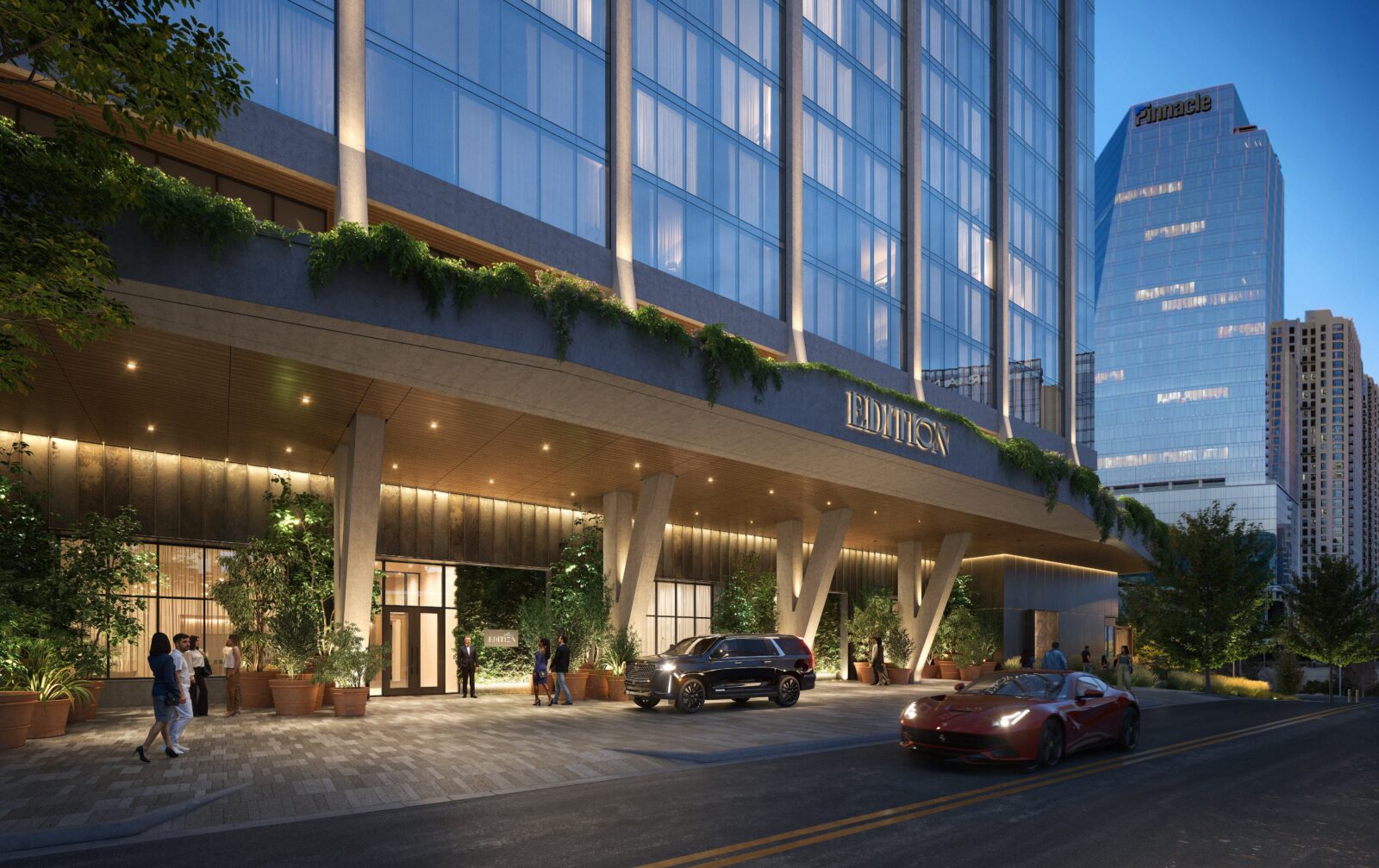
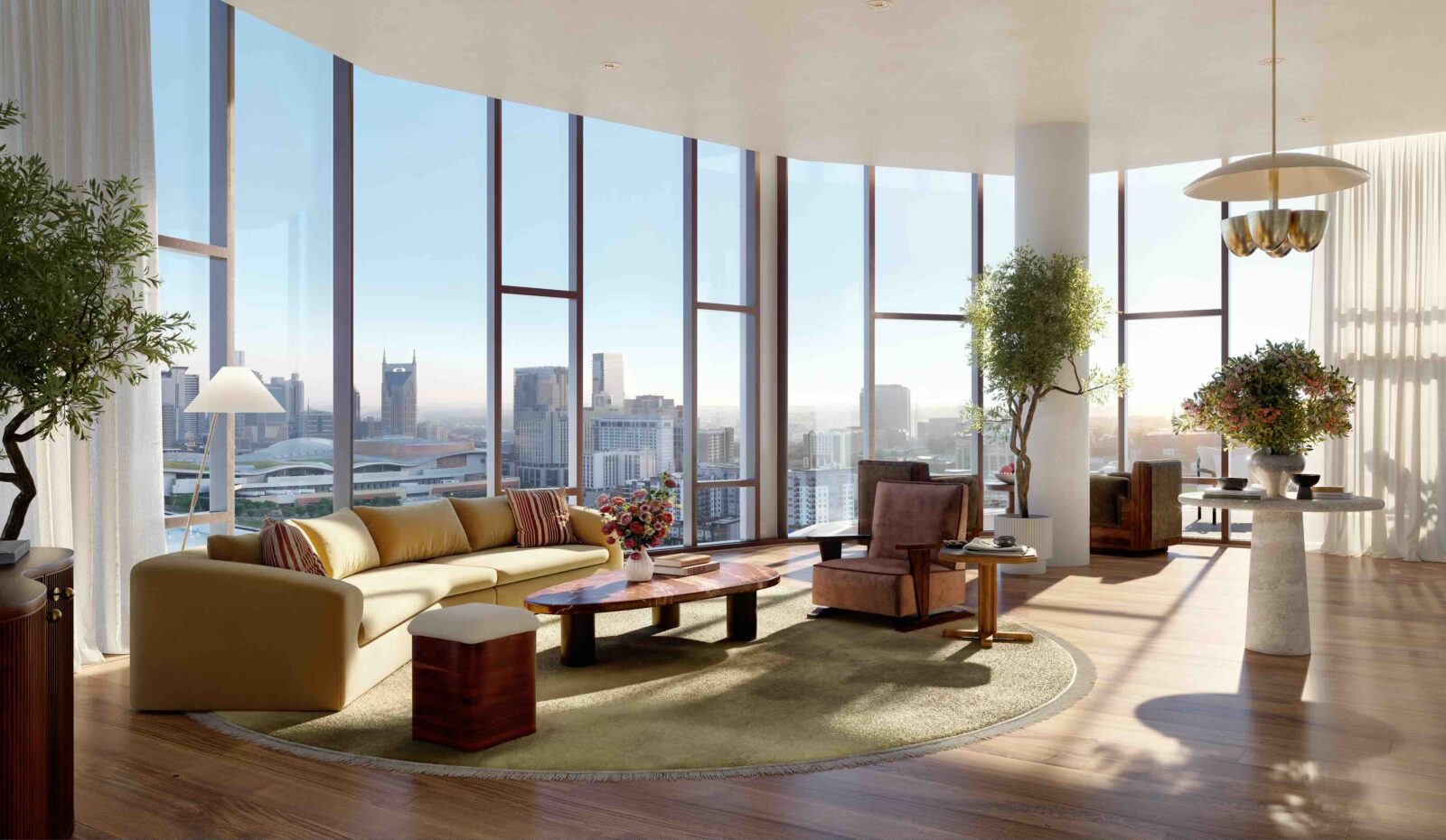
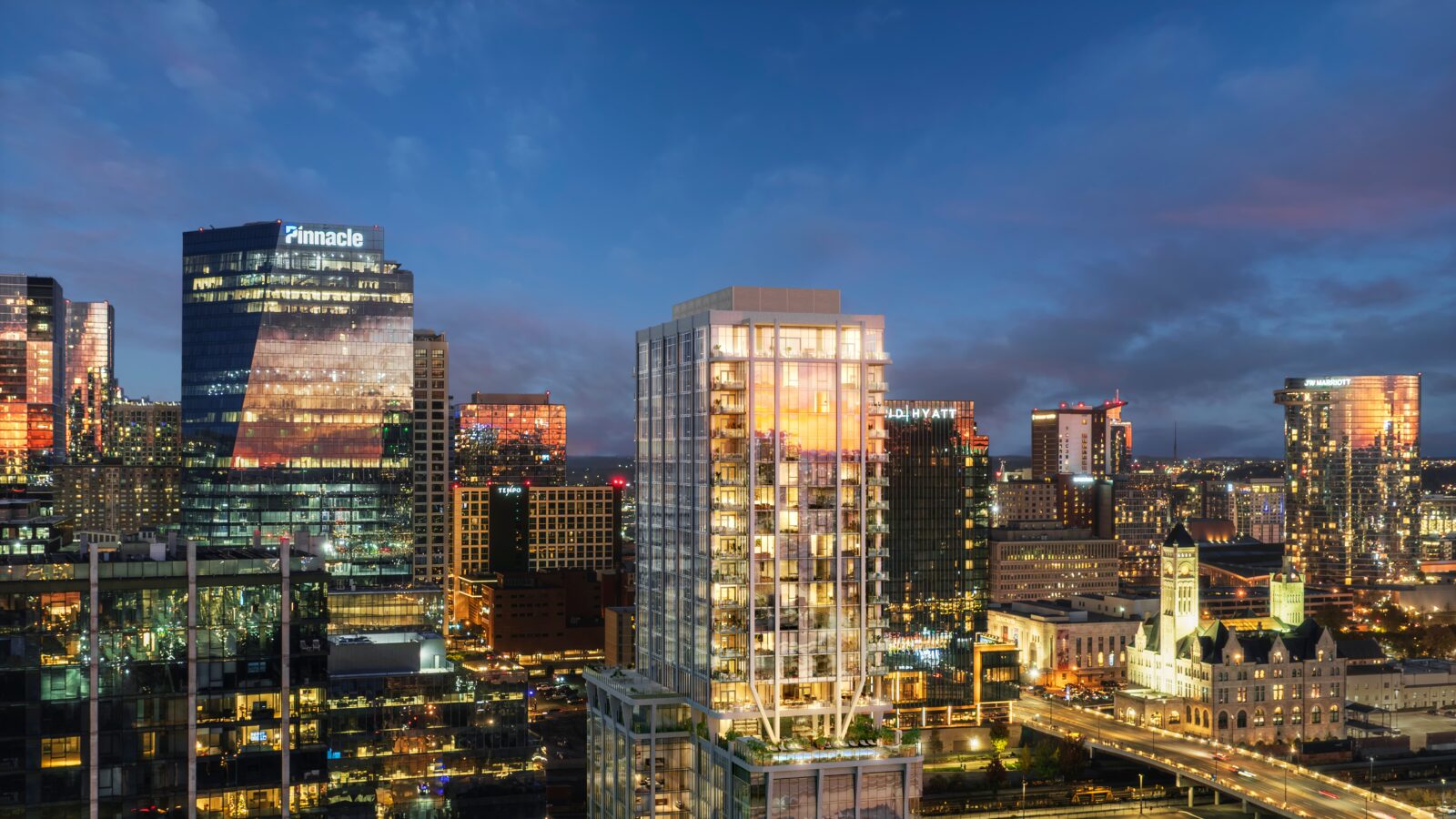
In what’s being called “The Central Gulch,” Tidal Real Estate Partners is pursuing an ambitious vision for the neighborhood. The developer is investing more than $1 billion into the area, transforming former parking lots and industrial parcels into a mixed-use district anchored by The Residences at The Nashville EDITION. Scheduled for completion in 2028, the project will introduce EDITION’s first Tennessee hotel alongside 82 branded residences, bringing the fully serviced lifestyle associated with the global hospitality brand to one of Nashville’s fastest-growing neighborhoods.
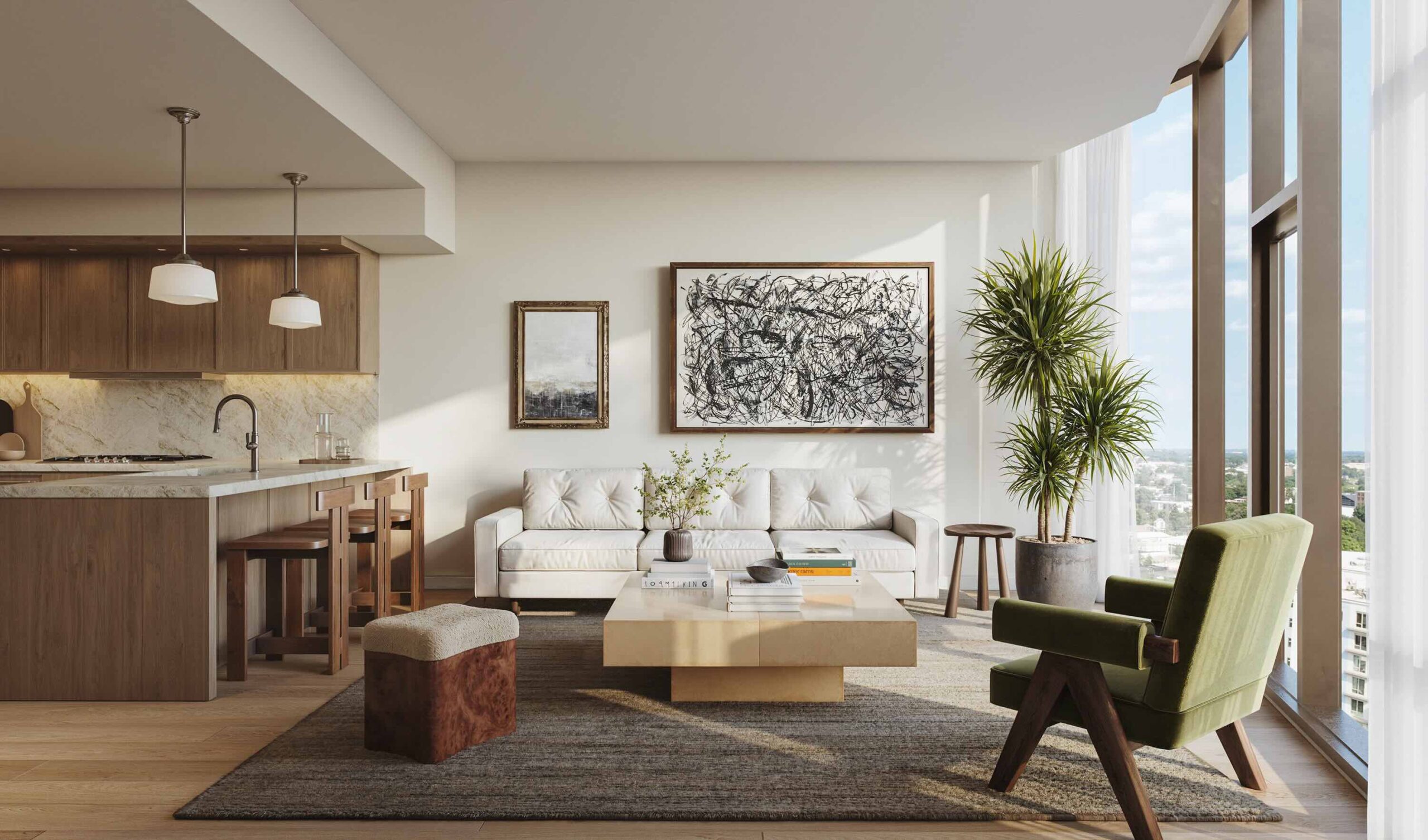
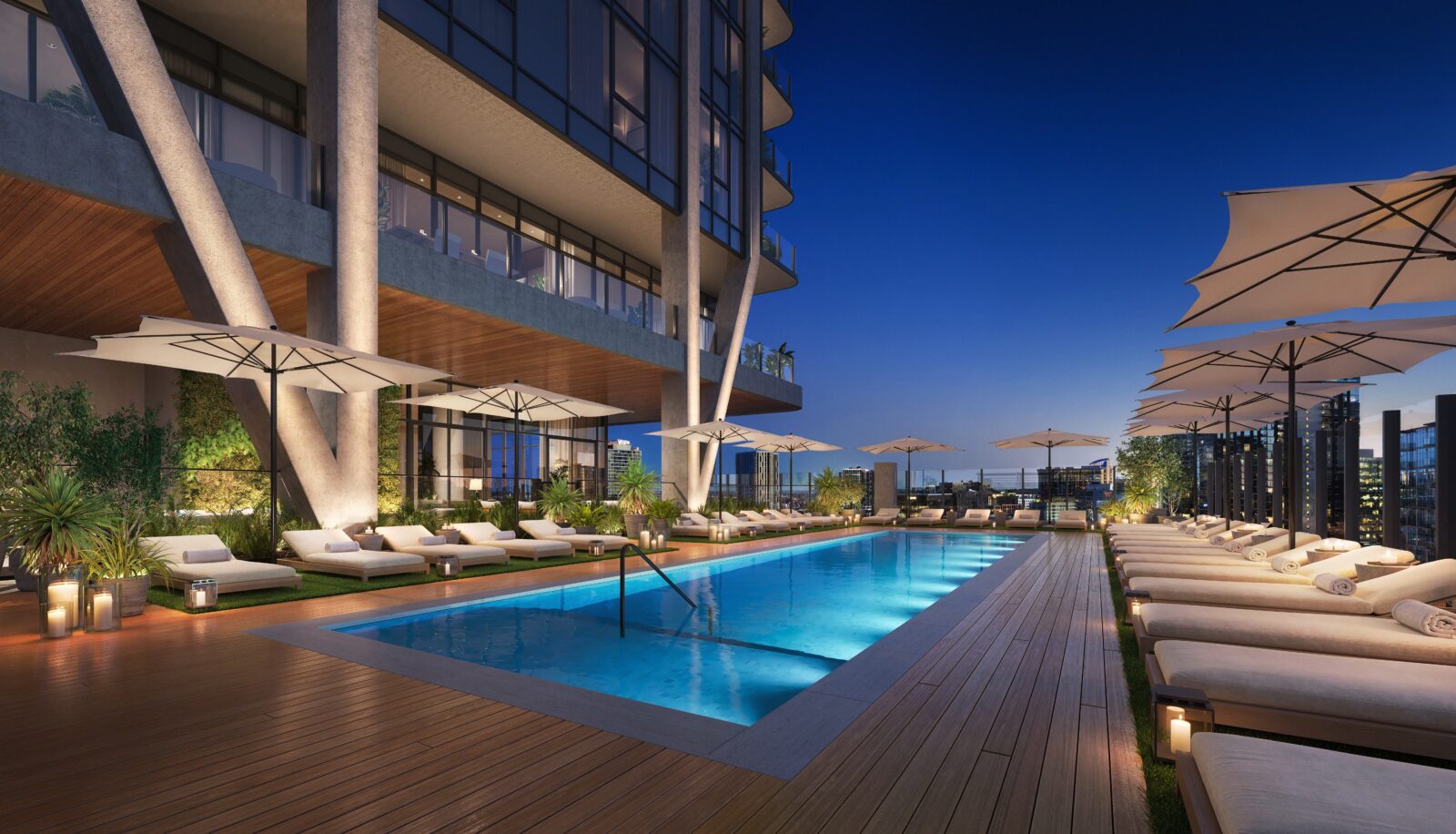
Another example of Nashville’s hospitality-driven evolution is Pendry Residences Nashville, which will mark the brand’s Tennessee debut as part of SomeraRoad’s more than $1 billion Paseo South Gulch development. The project pairs a 180-room hotel with 146 private residences designed by ESa and Post Company, while the surrounding neighborhood features destinations including Michelin-starred The Catbird Seat, The Patterson House, Maiz De La Vida, Tennessee’s first Equinox, and new concepts from Los Angeles-based Ten Five Hospitality. Together, they represent a broader shift toward hospitality-driven neighborhoods where luxury extends well beyond the front door.
These developments reflect a broader evolution taking place across Nashville as the city builds the luxury infrastructure increasingly defining today’s premier residential markets. High-end retail, destination dining, branded hospitality and thoughtfully designed residences are emerging in tandem, creating the kind of integrated lifestyle once reserved for more established metropolitan cities.
For the luxury real estate industry, Nashville is becoming a case study in how investment, hospitality and residential development can reshape a city’s identity while also elevating its position on the national stage.