Catherina De Nicolo | Designing with Intention: Minimalism, Emotion, and the Power of Thoughtful Spaces
 +4
+4 Catherina De Nicolo | Designing with Intention: Minimalism, Emotion, and the Power of Thoughtful Spaces
Catherina De Nicolo | Designing with Intention: Minimalism, Emotion, and the Power of Thoughtful Spaces
Catherina De Nicolo | Designing with Intention: Minimalism, Emotion, and the Power of Thoughtful Spaces
Catherina De Nicolo | Designing with Intention: Minimalism, Emotion, and the Power of Thoughtful Spaces
Catherina De Nicolo | Designing with Intention: Minimalism, Emotion, and the Power of Thoughtful Spaces
Catherina De Nicolo | Designing with Intention: Minimalism, Emotion, and the Power of Thoughtful Spaces
Catherina De Nicolo | Designing with Intention: Minimalism, Emotion, and the Power of Thoughtful Spaces
Meet Catherina De Nicolo
Luxury Guide Design Curator
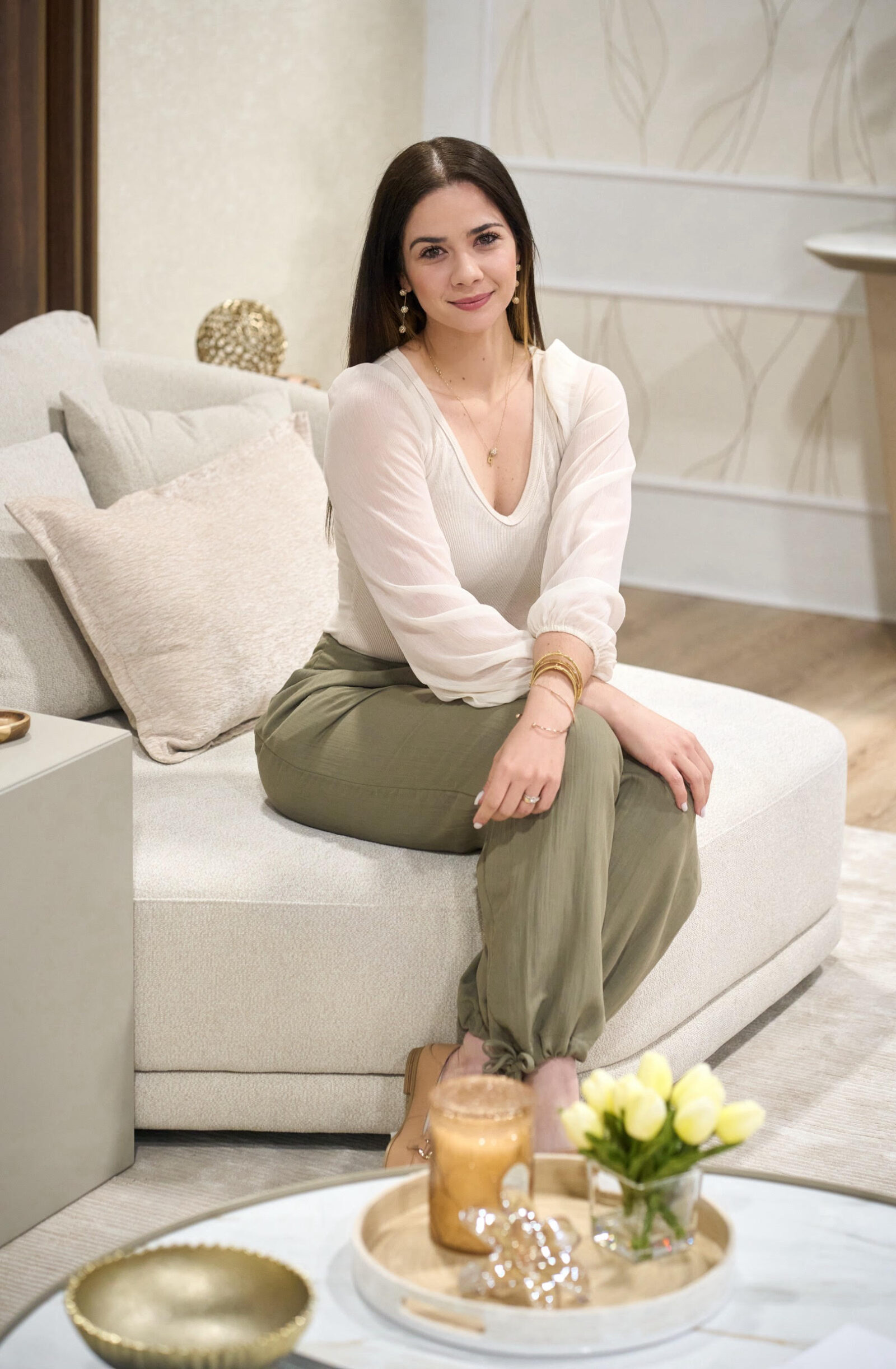
Venezuelan architect and interior designer Catherina De Nicolo approaches design with both an architectural eye and a deeply intentional philosophy. As the founder and creative director of Denfit Design, she creates interiors that balance aesthetic clarity, functionality, and emotional experience.
Originally drawn to psychology, Catherina grew up surrounded by creativity and construction. Her father worked as a builder, while her parents operated spaces designed for children—an environment that naturally sparked her imagination. What began as drawing and imagining environments for kids evolved into a passion for architecture and interior design.
Since launching Denfit Design in 2017, Catherina has focused on creating spaces that reflect the personalities and lifestyles of her clients while maintaining a strong commitment to architectural structure, thoughtful materials, and refined simplicity.
In the conversation below, she shares the influences that shaped her career, the philosophy behind her work, and the ideas that guide her approach to design.
“Every decision in a space must have purpose—whether it’s functional, aesthetic, or emotional.”
ORIGIN & INSPIRATION
Where are you from?
I’m originally from Venezuela.
Has your cultural background influenced your design approach?
Absolutely. Growing up in Venezuela, architecture and lifestyle are deeply connected to climate, family life, and social interaction. Homes are meant to be lived in, shared, and experienced. That perspective stayed with me. I design spaces that feel intentional and welcoming, where functionality and beauty exist together.
How did you get started in design?
Originally, I wanted to be a psychologist. My parents owned spaces designed for children, and I spent a lot of time observing how environments influenced behavior. At the same time, my father was a builder. I started drawing and imagining spaces for kids, and one of my early projects actually won a prize. That moment aligned everything for me, and I began pursuing architecture.
What first sparked your love of design?
It wasn’t one specific moment—it was a combination of influences. Being surrounded by construction through my father and seeing how environments affected people through my parents’ work made me realize how powerful spaces can be.
If you weren’t an interior designer, what would you be doing instead?
I would probably be a psychologist. Understanding people and how environments affect them is something that still deeply influences my work.
Do you have a design mentor or inspiration?
Architecture itself has always been my greatest inspiration. The discipline, structure, and history behind architecture continue to guide the way I approach interiors.
What’s one accomplishment you’re especially proud of?
Building my own firm and seeing the impact our designs have on how people live and experience their homes.
SIGNATURE STYLE & PHILOSOPHY
How would you describe your signature style in three words?
Intentional. Architectural. Refined.
What’s one design rule you always follow?
Every decision in a space must have purpose—whether it’s functional, aesthetic, or emotional.
What’s one design rule you love to break?
The idea that every room must have a single focal point. Sometimes the most powerful spaces are experiential rather than centered around one dominant object. When proportion, materials, and light are balanced correctly, the room itself becomes the focal point.
“Sometimes the most powerful spaces are experiential rather than centered around one dominant object.”
How do you make a home feel both beautiful and livable?
By designing with intention. Beauty without functionality doesn’t last. The best spaces are the ones that support the way people truly live.
What material are you obsessed with right now?
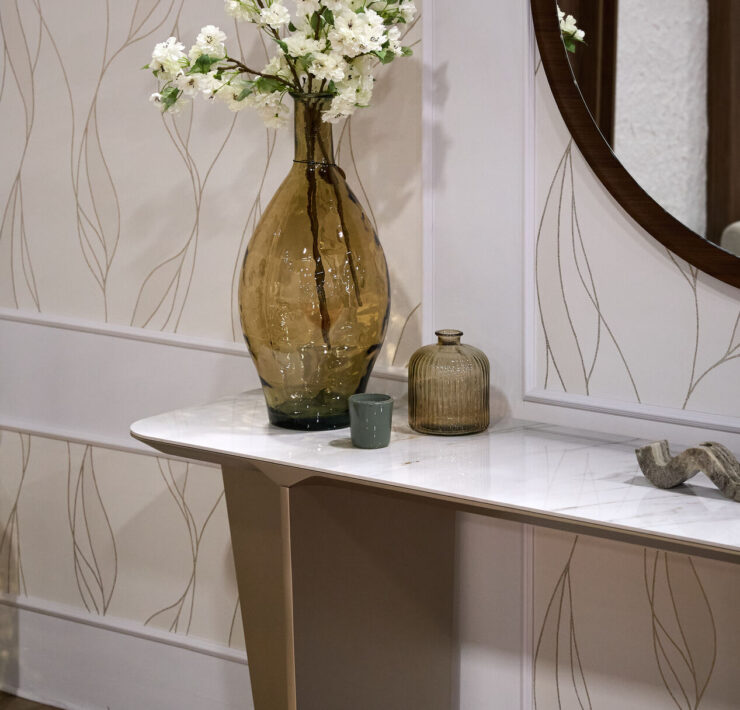
Wallpaper. It has the power to completely transform a room while adding texture and personality.
What’s your favorite room to transform?
Spaces that people overlook—like home offices. They have incredible potential to become inspiring environments.
If budget weren’t a factor, what would you splurge on?
Architectural elements and custom-built pieces that define the structure of the space.
What is one lesson you learned from a difficult project?
Design requires patience and adaptability. Every challenge reveals a better solution when approached with the right mindset.
FEATURED PROJECT
Tell us about your featured project. What was the vision?
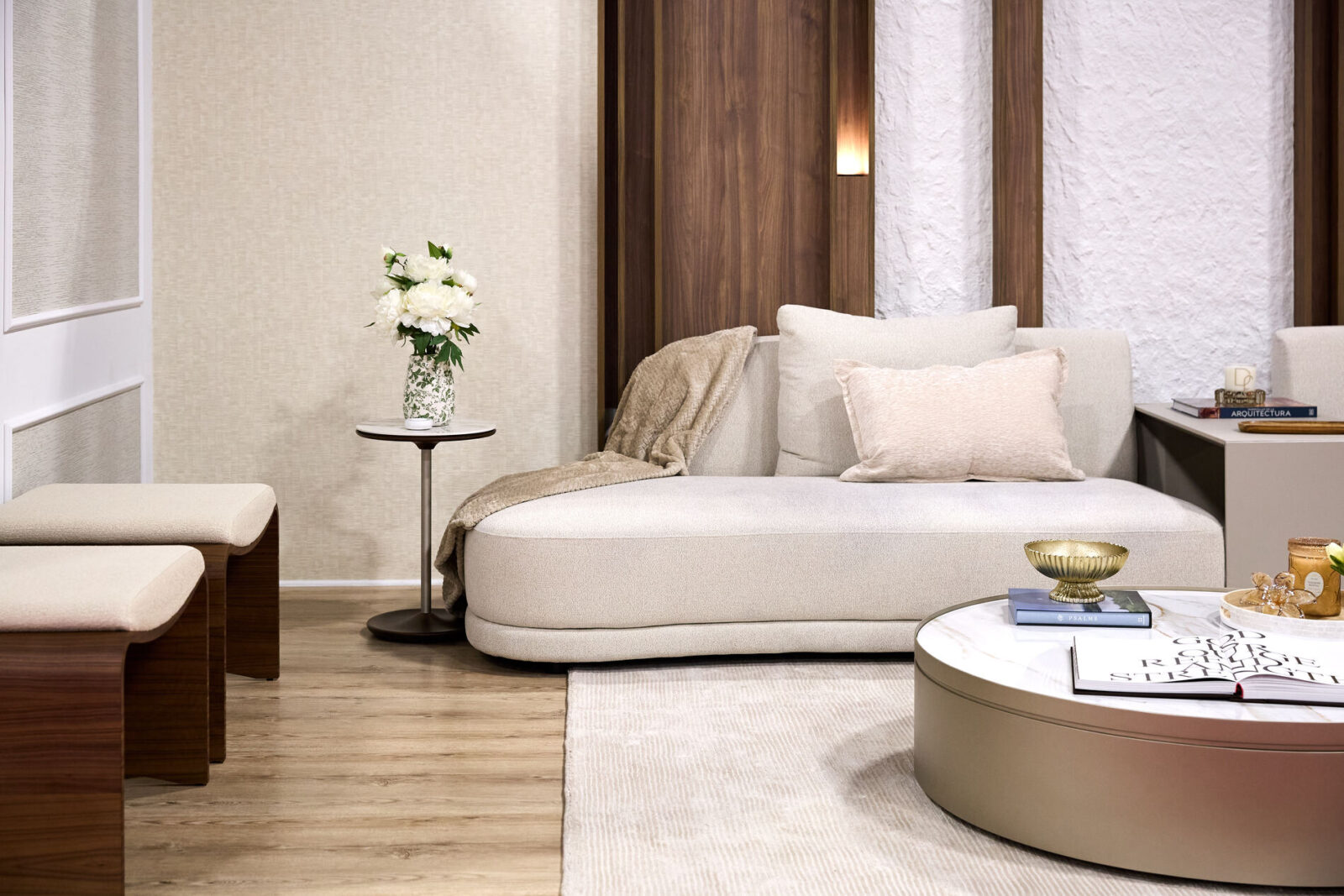
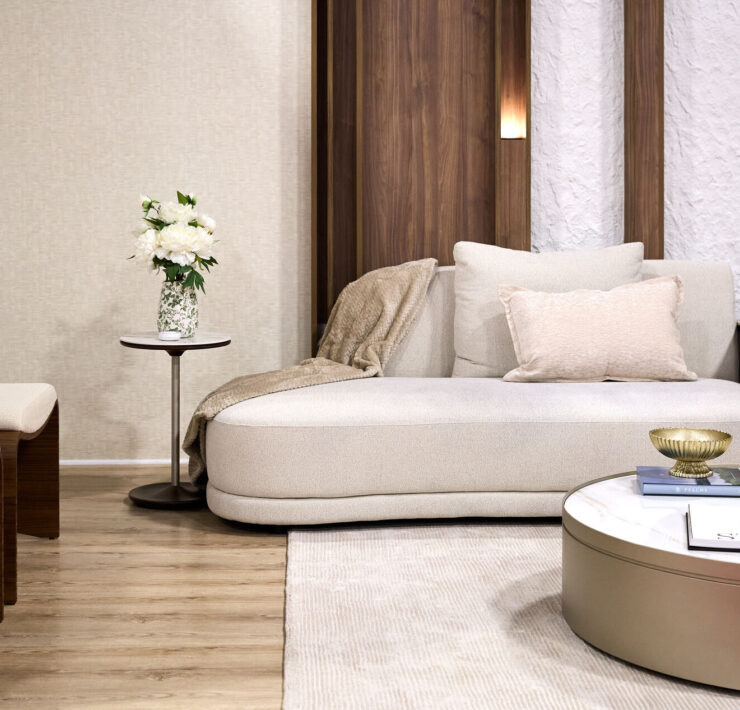
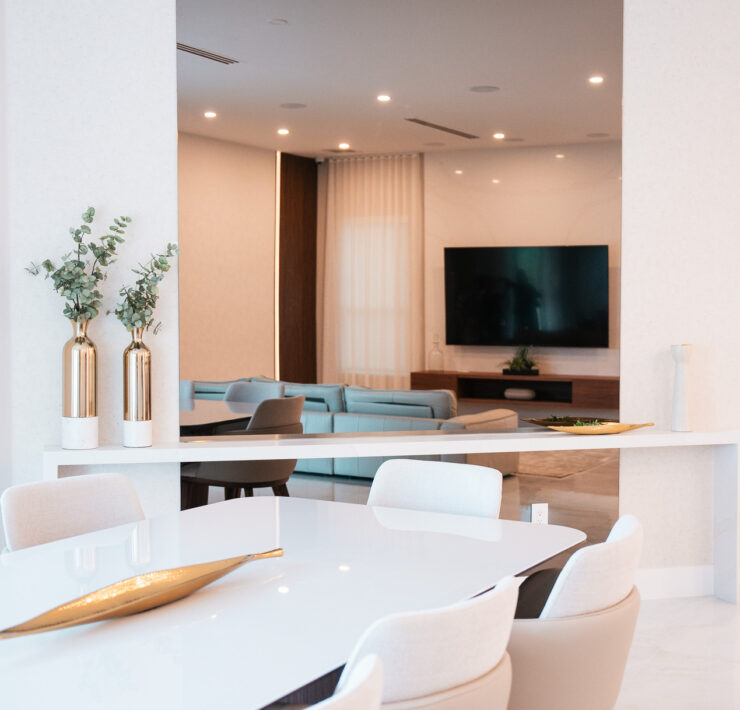
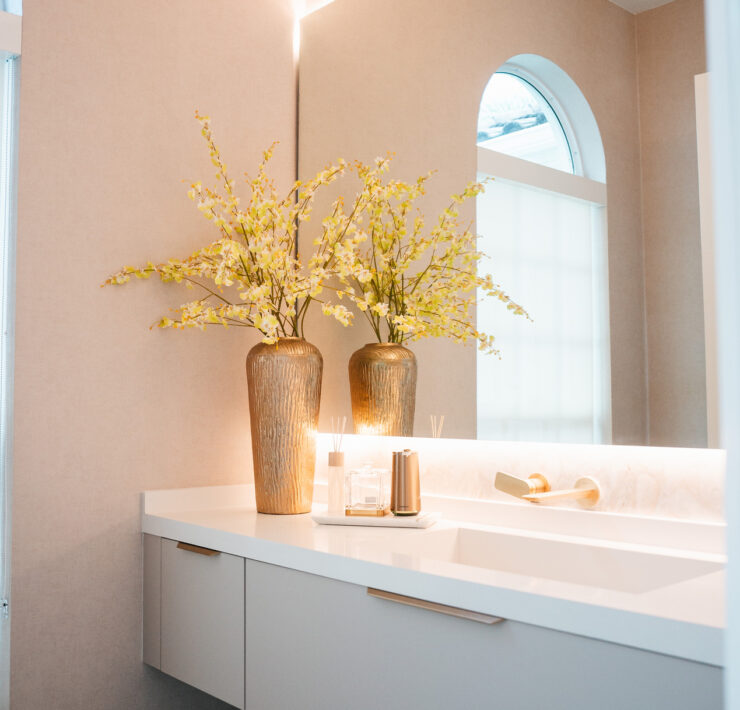
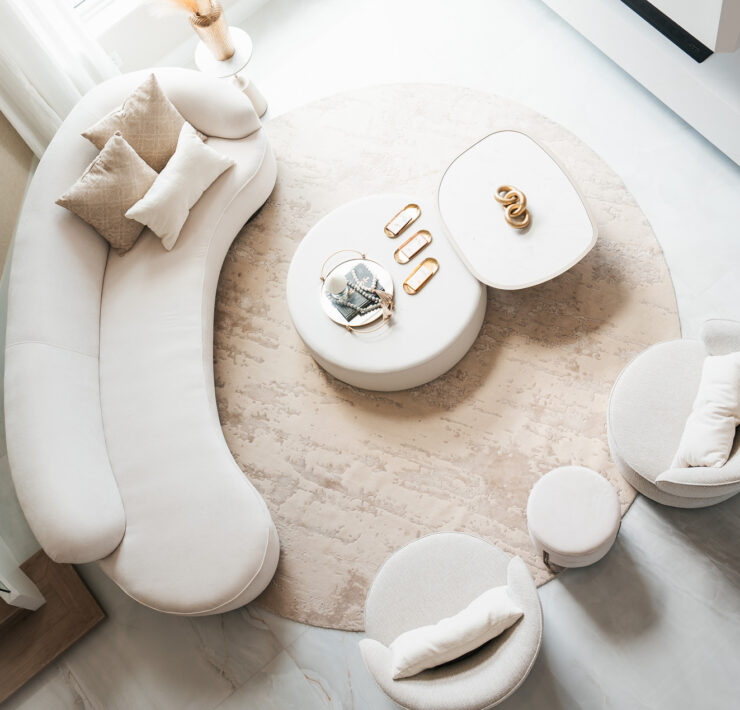
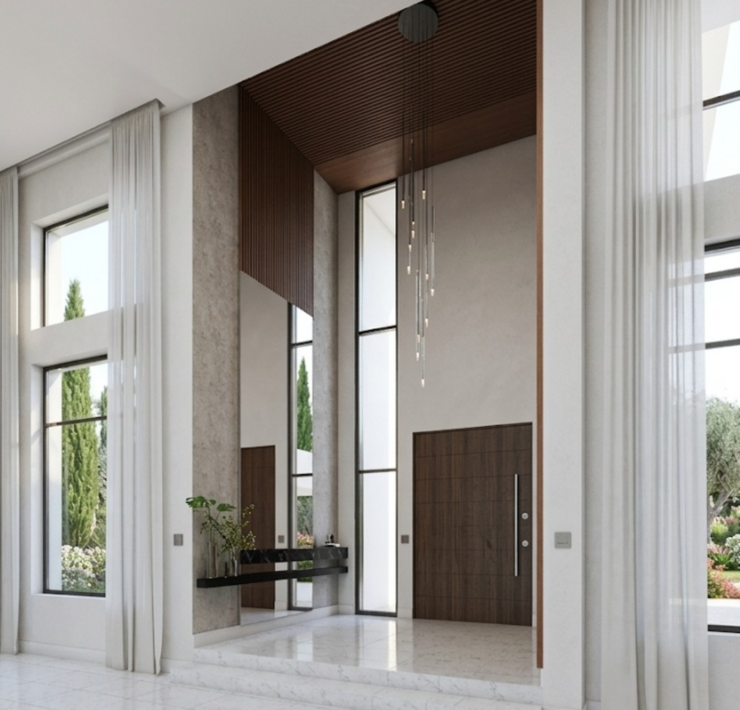
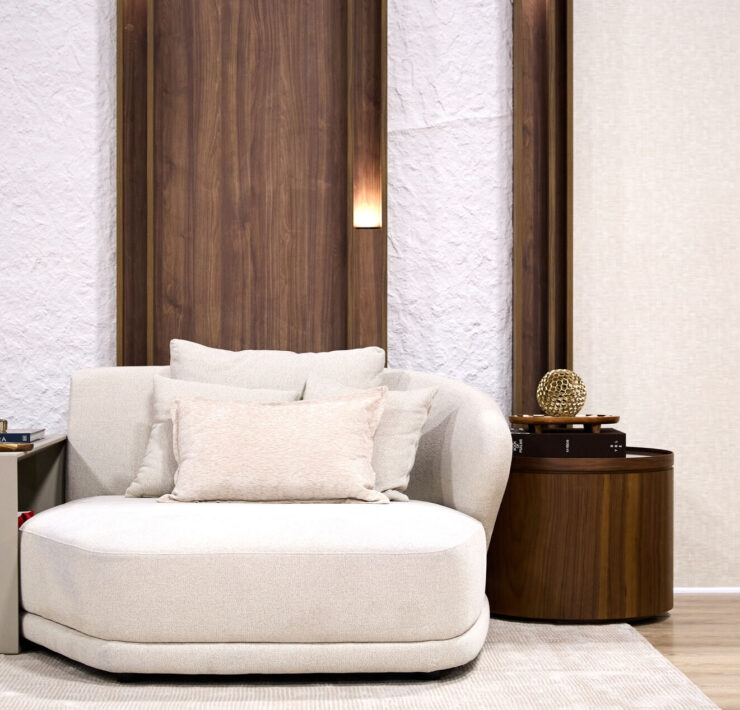
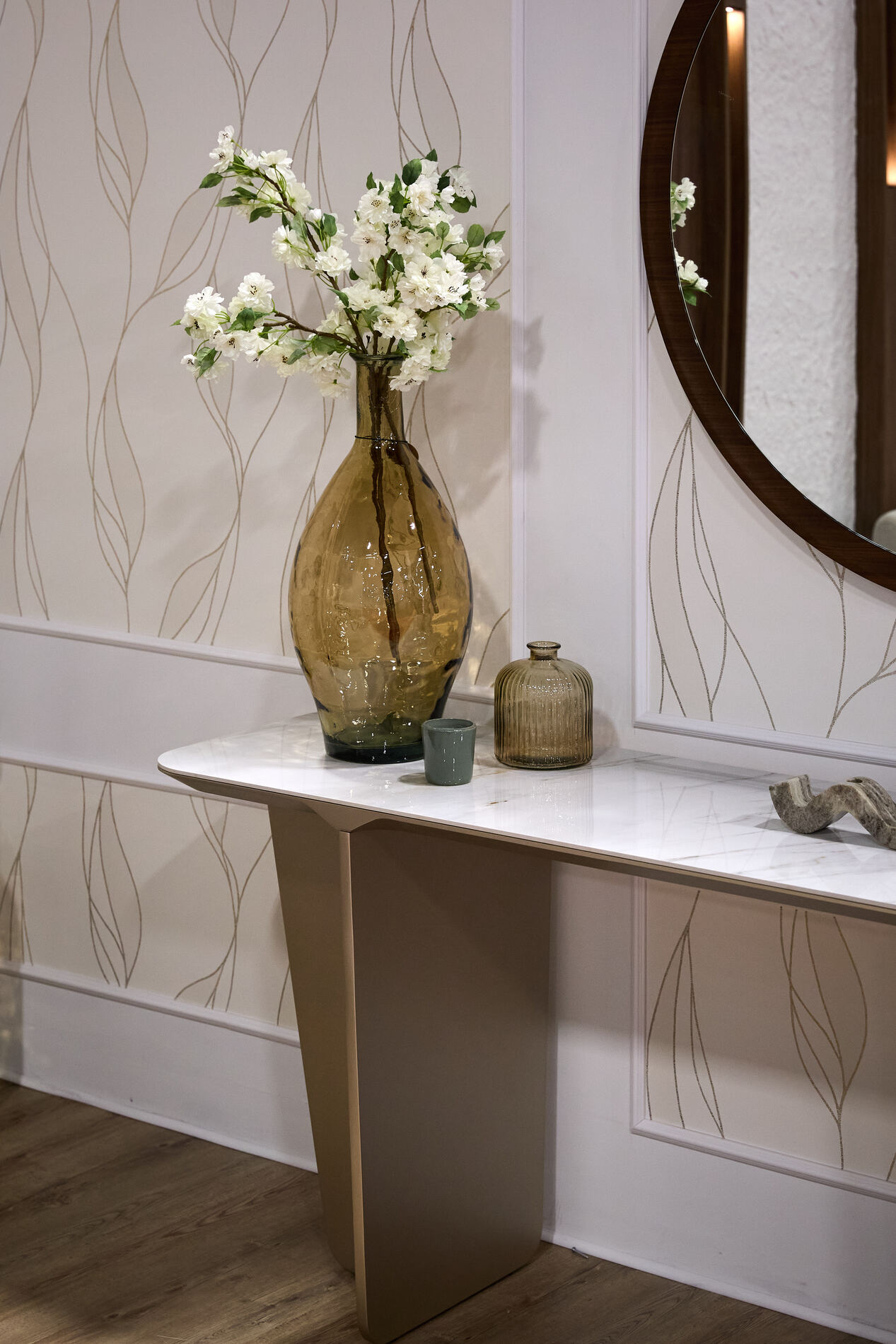
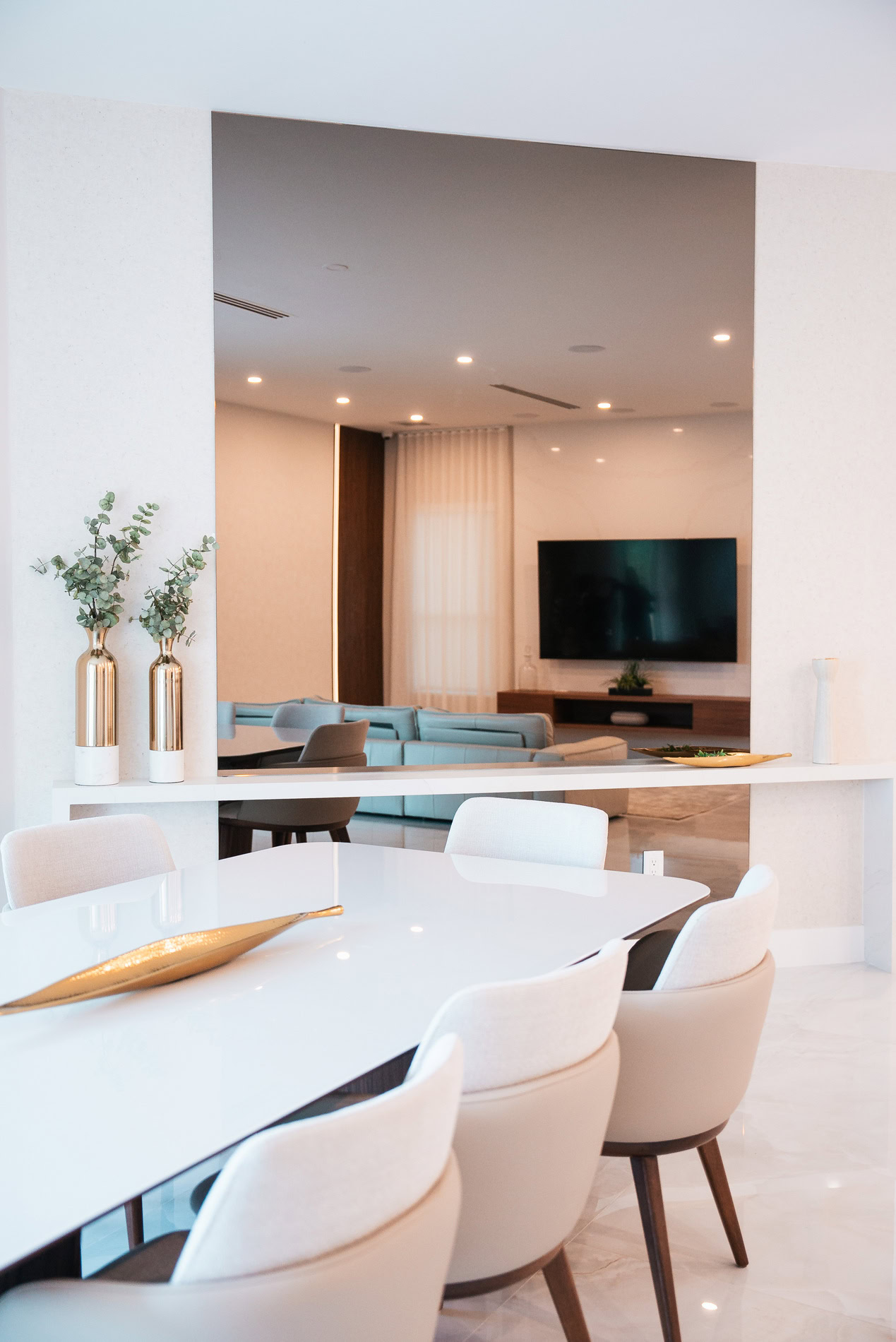
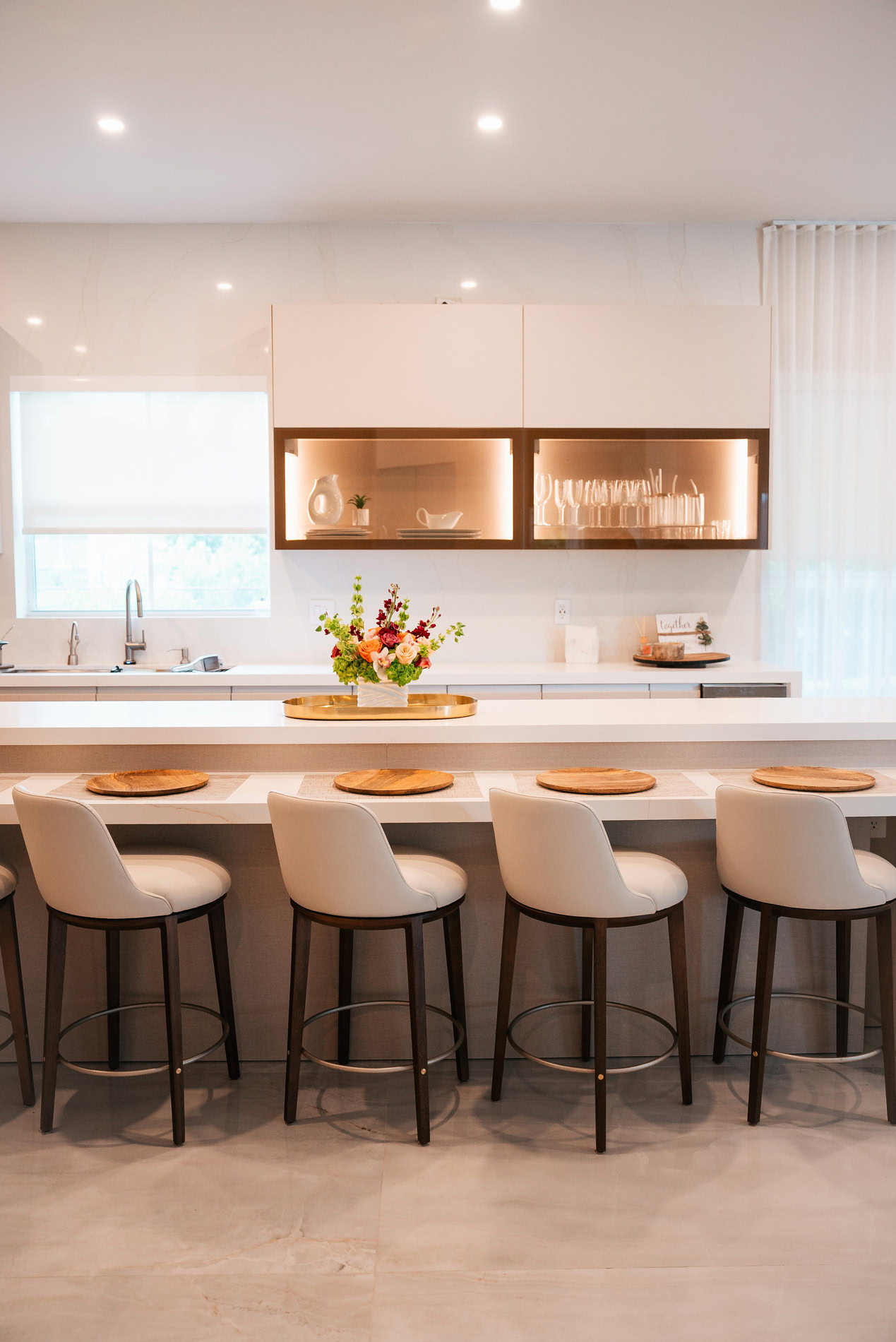
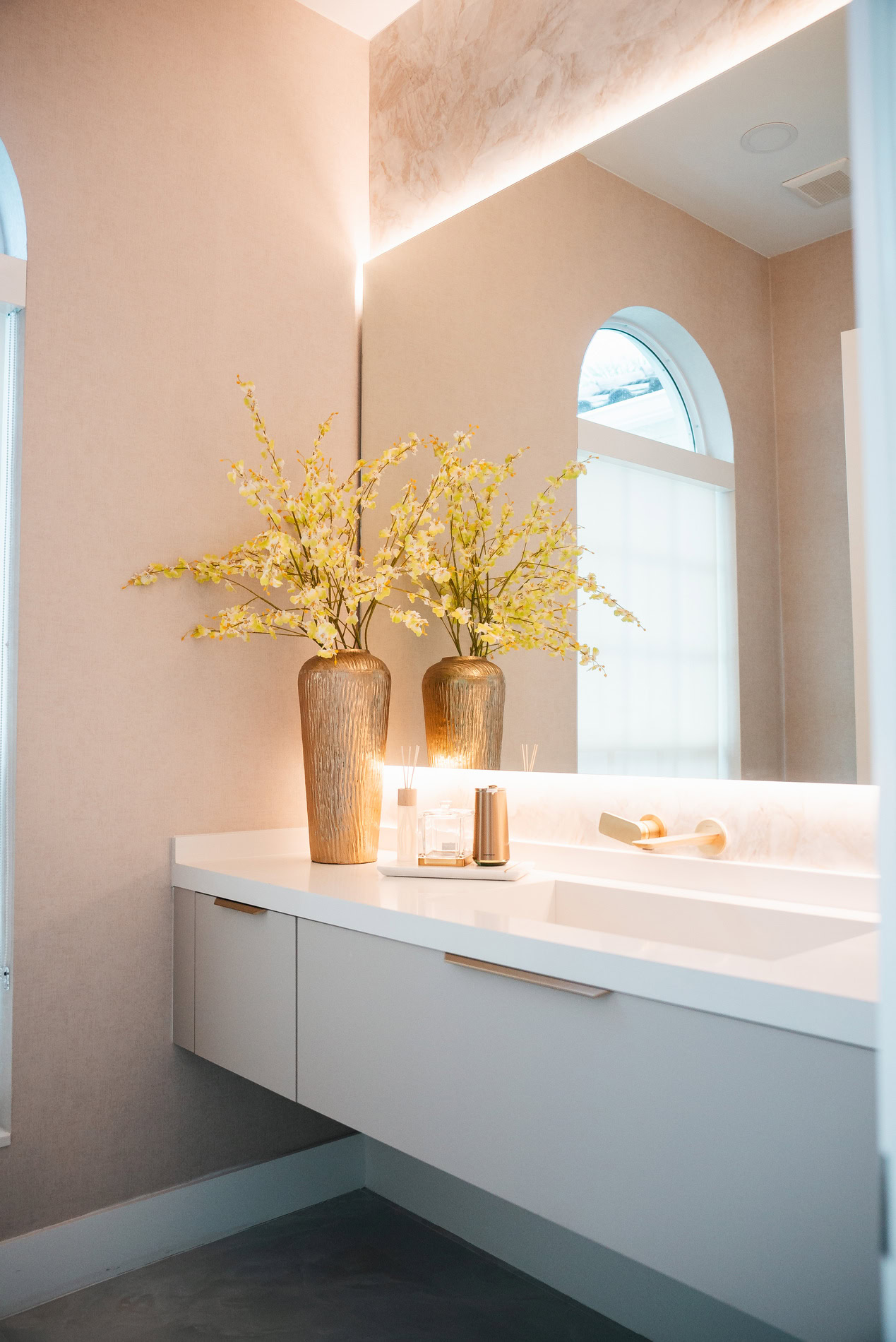
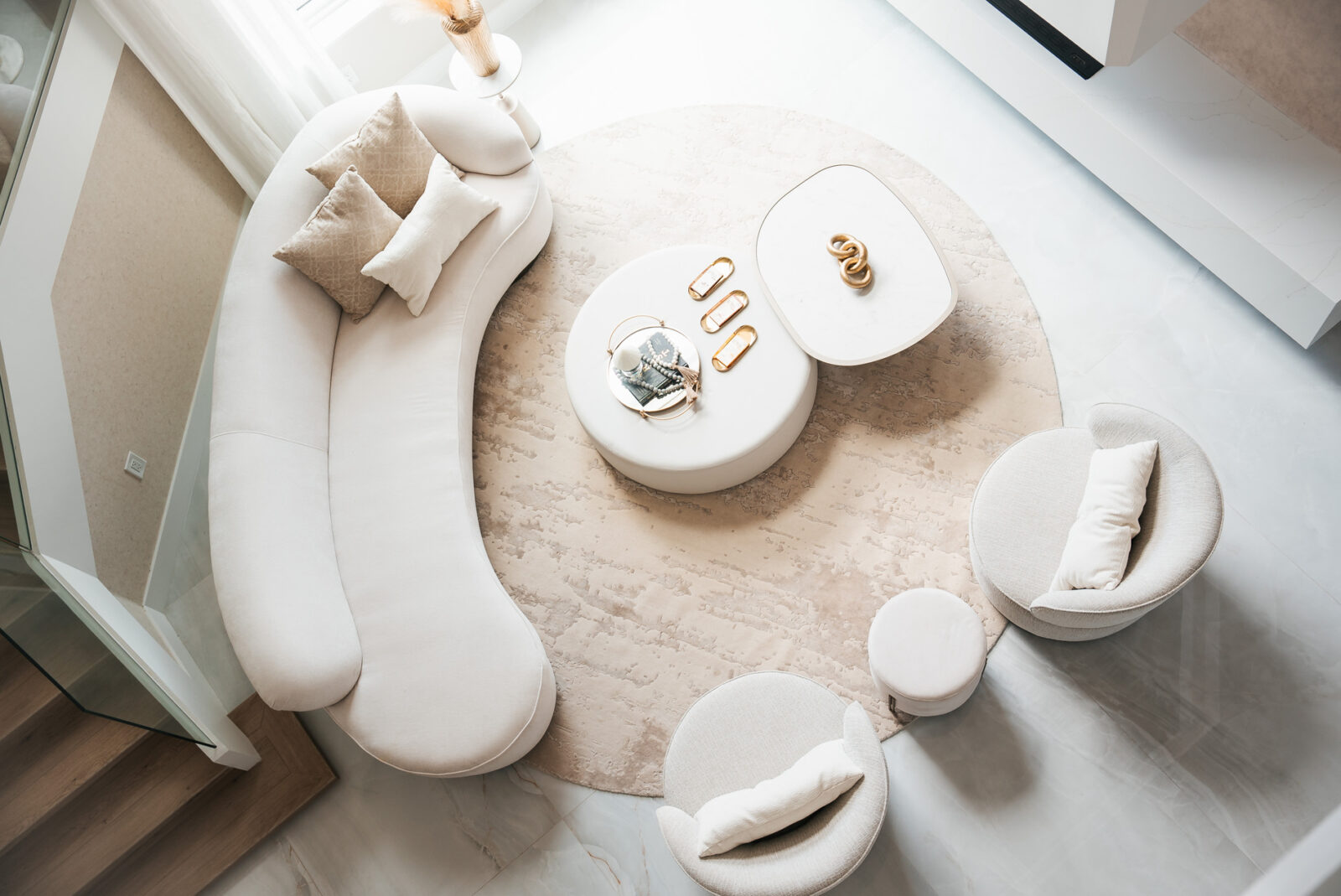
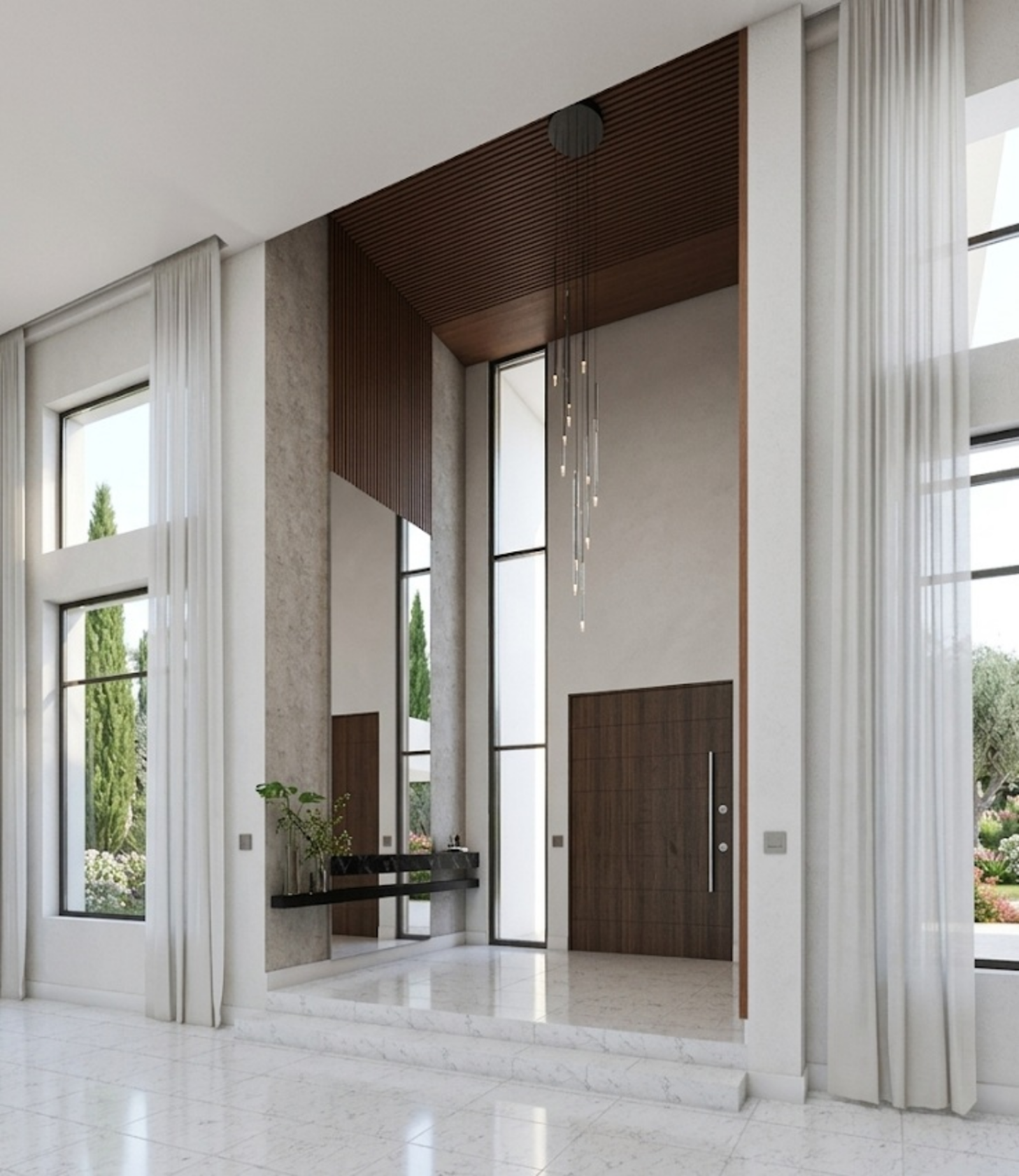
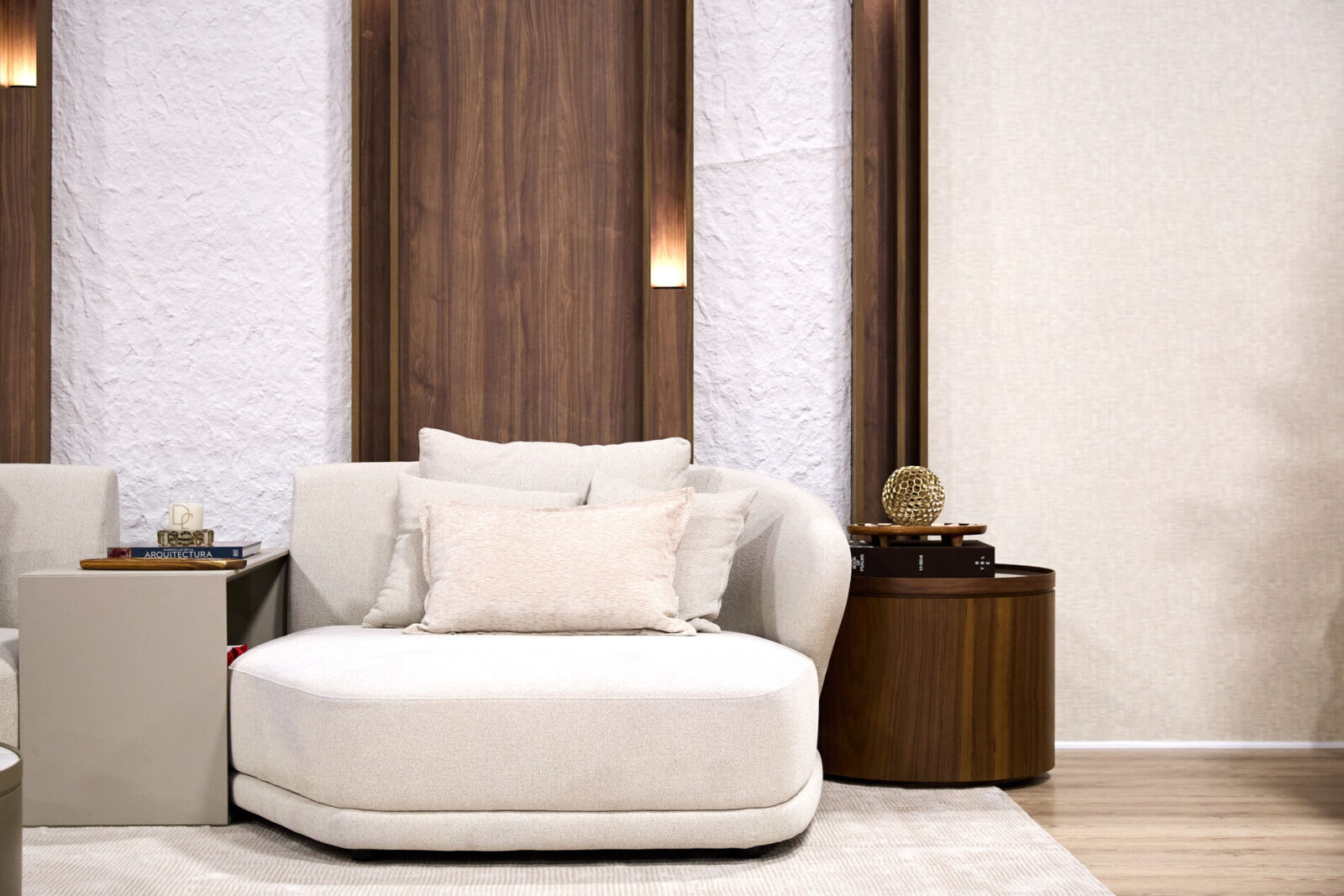
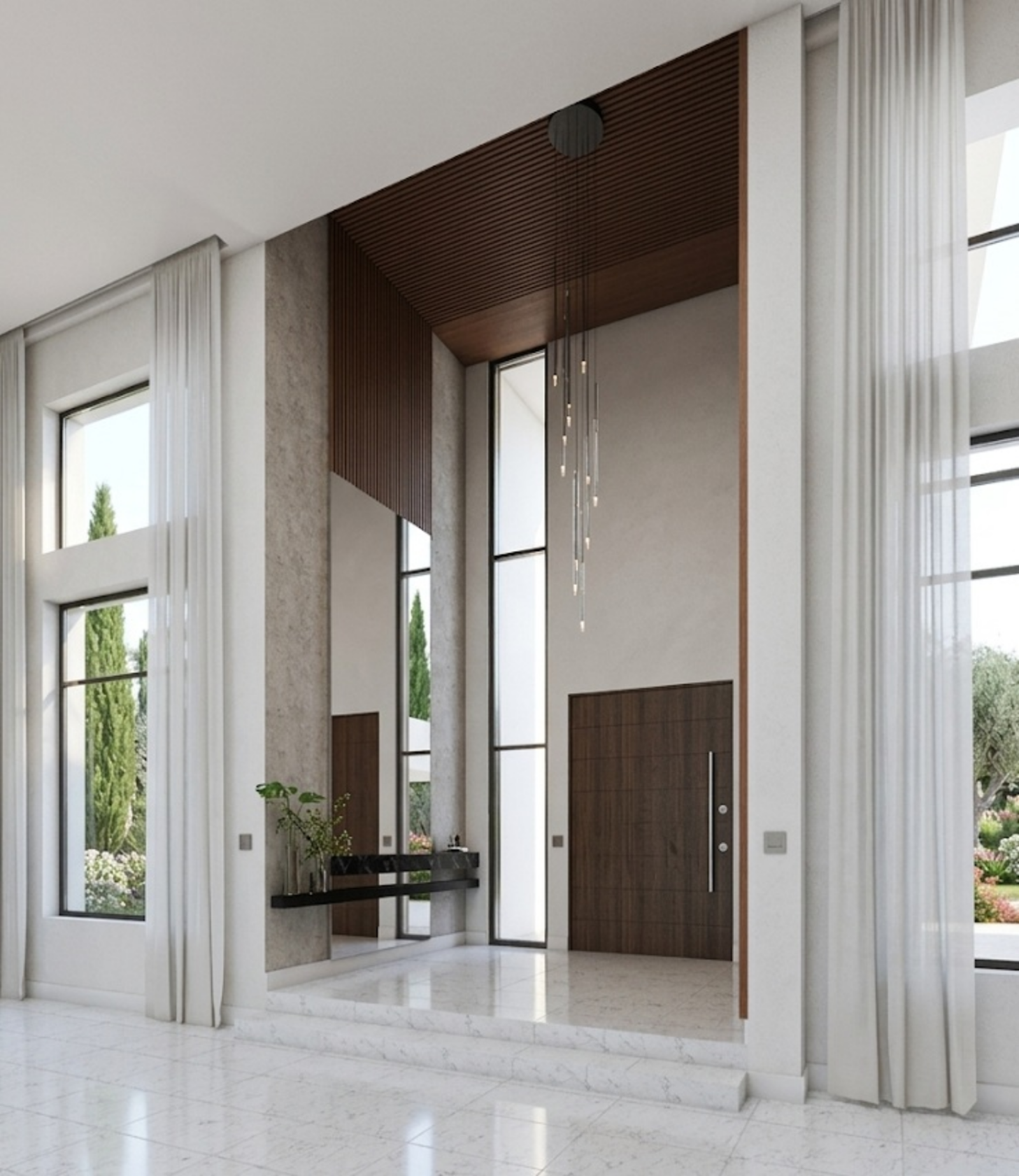
This project was about creating a calm, balanced environment that reflects the lifestyle of the homeowners. The vision focused on minimalism with warmth—clean architectural lines combined with layered textures and natural materials.
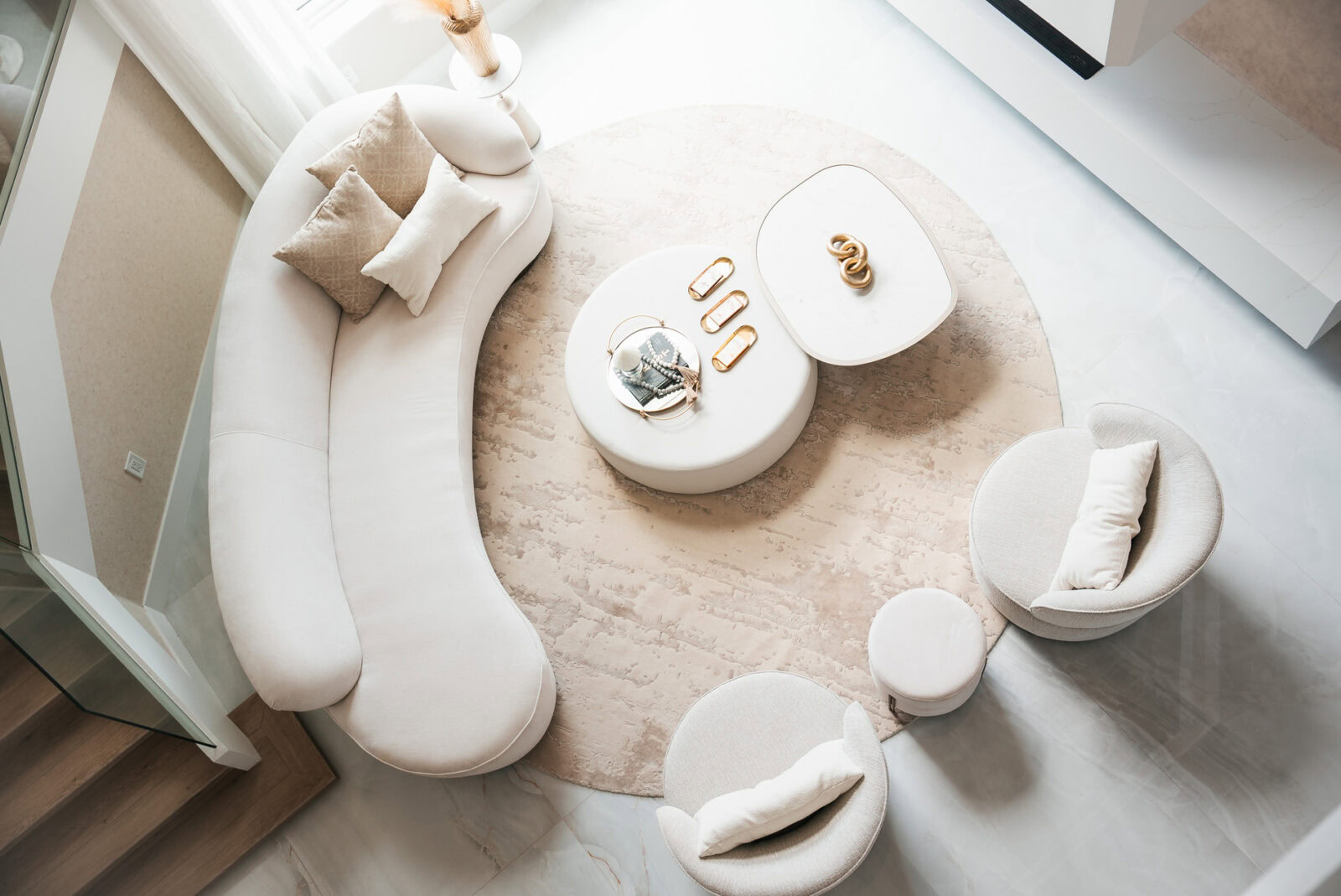
Soft curves introduce a sense of flow and tranquility, breaking away from rigid lines to create a more inviting and harmonious living experience.
What are some of your favorite elements in this project?
I love how the materials interact with natural light. The textures, wood elements, and subtle design layers create a space that feels sophisticated yet comfortable.
DESIGN ADVICE FOR HOMEOWNERS
What’s one small change homeowners can make that delivers the biggest impact?
Lighting. The right lighting instantly transforms the mood and functionality of a space.
Where should homeowners invest for the biggest design impact—and where can they save without sacrificing style?
Splurge:
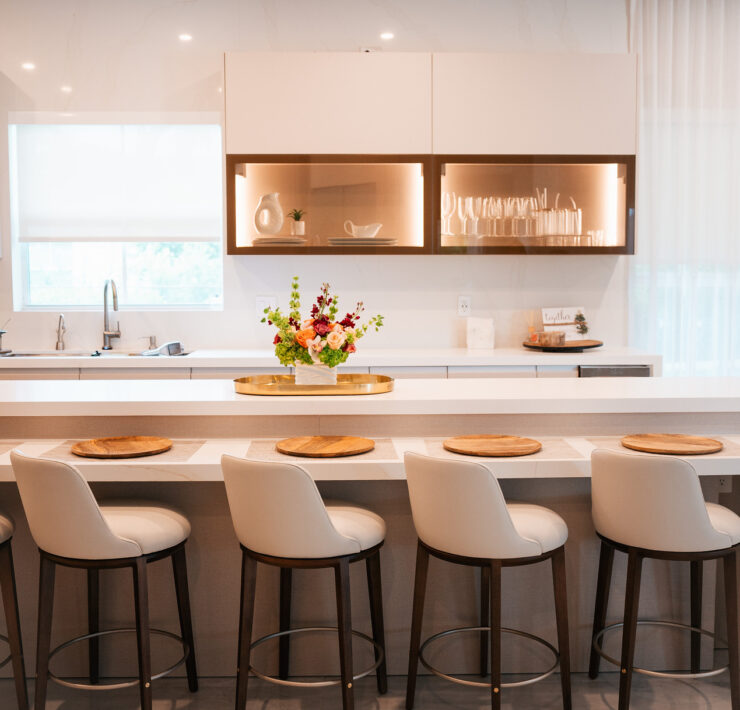
Architectural elements and key functional areas like kitchens.
Save:
Decor pieces that can evolve over time as the space develops.
What’s a timeless design element you always recommend, regardless of trends?
Natural materials. They never go out of style and age beautifully.
What’s your go-to strategy for making a small room feel larger?
Careful scale, clean lines, and thoughtful lighting. When proportions are correct, the room naturally feels more open.
What’s one thing every homeowner should do before starting a design or renovation project?
Define how they truly want to live in the space. Design should support lifestyle first.
What’s the biggest mistake homeowners make when designing on their own?
Not hiring a designer to guide the process.
What’s one upgrade that adds both beauty and functionality?
A thoughtfully designed kitchen.
How can homeowners make their space feel more elevated without full renovation?
Introduce layered lighting, thoughtful materials, and intentional furniture placement.
What advice do you wish more homeowners would listen to?
Trust the process and invest in professional guidance early.
GET TO KNOW YOU — PROFESSIONALLY
Favorite city or destination for design inspiration?
Boston, MA.
Favorite design era or decade?
Industrial Revolution.
Favorite flooring choice?
Wood (Roca Tiles).
One material you’re obsessed with lately?
Wallpaper.
Most underrated room in a house?
Home Office.
Most overused design trend?
The beige curved sofa.
First thing you notice when you walk into a room?
How heavy it is emotionally.
One design rule you love to break?
“Every room needs a focal point.”
Sometimes the most powerful spaces are experiential rather than centered around one dominant object. When proportion, materiality, and light are resolved correctly, the room itself becomes the focal point.
One design mistake homeowners make all the time?
Don’t hire a designer to help.
One upgrade that instantly elevates a space?
Kitchen.
Luxury is… Quality time spent with your family within the space you live in.
“Luxury is quality time spent with your family within the space you live in.”
GET TO KNOW YOU — PERSONALLY
Design pet peeve that secretly drives you crazy?
Improper Scale and Art hung too high or low.
Are you more minimalist or maximalist at heart?
Minimalist — completely.
Not the trend-driven version of minimalism, but the intentional one. I’ve always been extremely selective in every aspect of my life — what I choose, what I keep, what I allow into my space. That mindset naturally translates into my design philosophy.
Early-morning design sessions or late-night creative bursts?
The ideas come at night. The execution belongs to the morning. There’s something about late hours that invites imagination — concepts surface, spatial solutions appear unexpectedly, materials start pairing themselves in my mind. But the real creative process — the disciplined, architectural part — happens early in the morning.
Playlist vibe while working: jazz, chill, pop, classical, or silence?
Silence — or Christian worship music. Design, for me, requires clarity. I don’t work well in noise. The silence allows me to think architecturally without distraction. When I do play music, it’s usually worship. It regulates my nervous system, grounds me, and brings a sense of peace into the process.
Your go-to reset after a long project or install?
A quiet evening at home watching a movie with my husband.
Coffee, wine, champagne, or tequila when in design mode?
Coffee. Always.

Denfit Design
Catherina De Nicolo
Architect & Creative Director
DenfitDesign.com
[email protected]
754-465-3900
@DenfitDesign